24th September 2003
British public says "no" to GM crops | |
|  | | Few of those surveyed said they would be happy to eat GM food |
| | More than half of Britons who took part in a nationwide debate on genetically modified crops said they should never be introduced under any circumstances. |
|  | | An official report on the results of 600 meetings held in June and July around the country reflects widespread doubts about the benefits of GM technology.
The GM Nation? report says the public mood on GM "ranged from caution and doubt, through suspicion and scepticism, to hostility and rejection".
Only 2% said they would be happy to eat GM foods.
The Consumers' Association urged the government to listen to the public and hold fire on allowing GM crops until more research is done.
The government has already promised to consider the 40,000 public responses before deciding whether to give commercial crops the go ahead.
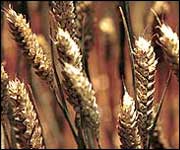 | | Environmentalists fear contamination of other crops |
The chairman of the GM Debate Steering Board, Professor Malcolm Grant, told the BBC the overwhelming response to GM was one of "concern and scepticism".
He said it would be risky to forge ahead with giving the green light to modified foods in the face of "profound mistrust".
The report also suggests that those people who came to the debate with little prior knowledge tended to become more sceptical about GM technology as they learned about it.
But unlike hardened opponents of GM, they tended to be more willing to accept some potential benefits from GM over the long term.
Pete Riley from Friends of the Earth - which spearheaded campaigns against the introduction of GM - said the results had not surprised him.
"This is exactly the same message the public's been giving out over the last six years," he told the BBC.
"They are very suspicious of GM crops and food, they're suspicious of the companies behind it, and they're suspicious of the government motives.
"It's about time the government started listening to the public."
The Consumers' Association said the findings echoed its own research.
"The consumers view could not be clearer and the government can no longer afford to hide behind industry skirts and ignore it," said Monique Warnock, campaign team leader.
But biotechnology companies argued the government debate was flawed and that its results were unreliable.
"The report says only half the people that took part - and remember, 99.9% of the population did not - had some concerns," said Paul Rylott, of the Agricultural Biotechnology Council (ABC), which represents biotech firms like Monsanto and Bayer CropScience.
"And some can see the benefits... Other surveys conducted show most people see GM offers cheaper food, an improved environment, medical benefits and increased competitiveness in the economy.
"I hope [the government] makes sure people have the right to choose."
The report is likely to create a dilemma for the government and make awkward reading for biotechnology companies seeking to sell their GM seeds to British farmers.
Friends of the Earth says a number of key ministers are known to favour GM commercialisation.
A decision on whether or not to give commercial GM crops the go-ahead is due later this year.
The results of a three-year farm scale evaluation of GM crops are due next month.
 | previous farming news |  |
| | | |
|
|