| 24 September 2014 |

| |
| BBC Homepage | | |
| |||
| Contact Us | | |
History featuresYou are in: Devon > History > History features > Hemerdon Mine history 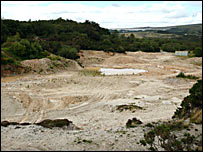 Hemerdon Mine Hemerdon Mine historyThere are plans to re-open an old mine in Devon - 140 years after tin and tungsten was first discovered there. Tin and tungsten mining is set to resume at Hemerdon Mine near Plympton - more than 60 years after it was last mined. The mine hasn't been used since 1944, but has large deposits of Wolframite - in which tungsten is contained. Tungsten and tin were first discovered there in 1867. Further exploration in 1916 found more deposits within the granite. The area was mined in 1919 and 1920, and again between 1934 and 1944, when it stopped. The open mine hasn't been worked since then, despite a planning application by British Tungsten Ltd in 1969 which was later withdrawn. Planning permission for mining has been in place since 1985 and is valid for 35 years. The site is listed as an important mineral reserve in Devon County Council's Minerals Local Plan. The mine is thought to be one of the largest deposits of tin and tungsten in the western world. It is believed to hold 40 million tonnes of tungsten and tin ore. 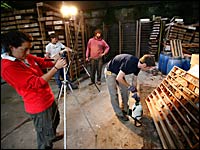 Geologists at Hemerdon Mine Wolf Minerals (UK) Ltd - owned by Australian based Wolf Minerals Limited - intend to mine around 3,000 tonnes of tungsten a year at Hemerdon, over the next 15-19 years. It will be the only tungsten and tin mine in the country, and Wolf Minerals say it could meet the UK's entire needs for many years. (South Crofty tin mine in Cornwall is also set for re-opening in late 2009). The development of Hemerdon mine will result in the formation of an open pit about 850m long by 540m wide and 200m deep. Revised planning permission is needed, and if granted the mine could be fully operational again within three years - around late 2010. Local councillors say the re-opening of the mine will affect villagers in Hemerdon - especially those who live at the top of the village. China is the biggest known source of tungsten, with the majority of the world's deposits. Tungsten was first mined in Saxony in the 17th century. Then, in the 18th century, a Swedish mineralogist found deposits and gave it the name, tung-sten, which means heavy stone. Tungsten has a number of uses - it's used as a metal in alloys, it hardens steel, and is used in items such as light bulbs, jewellery, and watches. The mineral currently has a high trading price in the markets. Read more about the planned re-opening of Hemerdon Mine by clicking onto the BBC News Online story which is linked from this page. last updated: 18/02/2008 at 16:14 Have Your SayWhat do you think about Hemerdon Mine re-opening? Is it good news or bad news? Have your say here. d.snaith edna Graham Hinton J. Sheryn Steve Jones - Shropshire Aunt bessie Tim Pickering, Canada Well Wisher Henderson Mines Research Ltd Clive Andrews Tony Brewis James Brown Peter Cousins Mr Mrs L J & C Gould Richard Den You are in: Devon > History > History features > Hemerdon Mine history   |
| | About the BBC | Help | Terms of Use | Privacy & Cookies Policy |