| 28 October 2014 |

| |
| BBC Homepage | | |
| |||
| Contact Us | | |
Nature of BritainYou are in: Devon > Nature of Britain > Nature of Britain: Devon 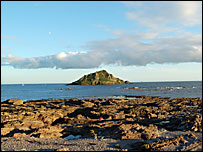 The Mew Stone, Wembury Nature of Britain: DevonWith its moors, heaths, forests and coastlines, Devon is jam-packed with natural beauty. Some of the county's beauty spots are featured in Alan Titchmarsh's BBC series, The Nature of Britain. A landmark BBC TV series running during October/November 2007 is highlighting some of Britain's natural wonders. The Nature of Britain, which goes out on Wednesday and Sunday evenings from 10 October on BBC One, is fronted by Alan Titchmarsh. Alan is touring the UK to find some of the best nature stories, and many of the programmes include a regional segment which visits places local to viewers. Three of Devon's beauty spots come under the microscope, with the themes of woodland, wilderness and coast: Haldon Forest near Exeter, Aylesbeare Common in East Devon, and Wembury Bay/Mewstone in South Devon. Read more about the TV programme: 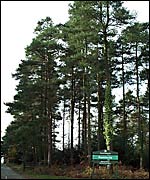 Haldon Forest - home to butterflies and birds Haldon ForestThis coniferous forest is owned and managed by the Forestry Commission. It is a Site of Special Scientific Interest (SSSI) for its populations of butterflies – which include the pearl bordered and silver washed fritillaries, birds of prey - goshawk, hobby, buzzard - and nightjars. There are various walking/cycling/horse riding trails throughout the forest for visitors to enjoy, and public events throughout the year - like the nightjar walk featured in the Nature of Britain film. A weekly work party of volunteers help ranger, Ian Parsons, manage the forest for wildlife. The volunteers help create standing deadwood by snapping selected tree trunks. This allows rain and fungi in and the tree starts to rot from the inside out, creating breeding places for many creatures like woodpeckers. The volunteers have also dug scrapes to encourage newts and are clearing the forest of rhododendron – an invasive plant that blocks out sunlight and stops other plants growing. 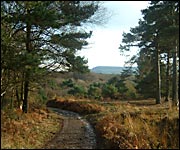 Aylesbeare Common - another wildlife haven Aylesbeare CommonAylesbeare Common is an area of lowland heath, open to the public and managed by the RSPB. Volunteers help to maintain the distinctive heathland landscape by clearing scrub and burning older vegetation to encourage new growth. The common's mix of vegetation provides good cover for reptiles and four of the UK's five native species are found here - adder, grass snake, slow worm and common lizard. Areas of bare earth attract invertebrates, including the green tiger beetle and the rare Kugellan's beetle. Of course, being an RSPB reserve, you can expect to see plenty of birds. Look out for Dartford warblers, stone chats and yellow hammers. 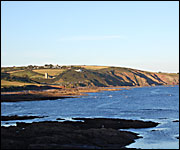 Wembury Bay, where rock-pooling is popular Aylesbeare Common is part of the East Devon Pebblebed Heaths, whose origins date back 240 million years. Wembury Bay/MewstoneReporter Sam Smith goes to the Mewstone off Wembury Bay to see the population of cormorants. The Mewstone - a tiny island - is not open to the public, but the coastline around Wembury Bay is, and it's managed by the National Trust. In this programme, Sam also goes snorkeling in the Bay. There is an education centre at Wembury beach which runs events for all ages. You can find out much more about these three wildlife havens by clicking onto the links on this page. Watch films from your region from the Nature of Britain series on BBC One.
Help playing audio/video last updated: 03/12/07 SEE ALSOYou are in: Devon > Nature of Britain > Nature of Britain: Devon  [an error occurred while processing this directive]  [an error occurred while processing this directive] |
| | About the BBC | Help | Terms of Use | Privacy & Cookies Policy |