| 28 October 2014 |

| |
| BBC Homepage | | |
| |||
| Contact Us | | |
Planet DevonYou are in: Devon > Planet Devon > February: Wildife month 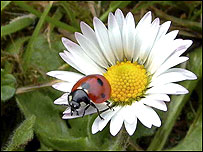 Ladybird on a flower February: Wildife monthWith climate change making its mark on the world, Devon's abundant wildlife needs a helping hand to survive the change in weather patterns. It's almost impossible to imagine Devon without its wildlife. And yet there are changes happening right under our noses. Changes in temperature alone have such a broad range of effects - but it's not just a question of warmer and colder. Changes in seasonal weather patterns mean that flowers are blooming earlier and for longer and birds and animals are coming and going earlier or later. Imagine for a moment that daffodils were the staple diet of a swallow. 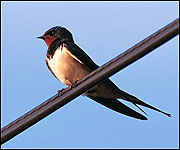 A swallow perched on a power line Daffodils are in bloom earlier because of warmer winters, and swallows return later in the year because of wetter winters. By then their staple diet has gone. The dynamic effects of climate change reach deep into our wildlife here in Devon. Many of the changes we are aware of today started several years ago and the effects will continue for some time to come. Against this background, our cherished wildlife needs your help. Read more about how Devon's wildlife has been affected by climate change: Help playing audio/video In addition to your personal reduction in emissions, there are actions that you can take to encourage wildlife.
Other tips are available from the BBC Gardening website: Gardeners have a huge role to play in the future of UK wildlife as the traditional British countryside changes. Experts say that, due to more industrialised farming practices and encroaching urbanisation, over 600 individual species are at risk in Britain and others are in rapid decline. last updated: 21/02/2008 at 16:43 SEE ALSOYou are in: Devon > Planet Devon > February: Wildife month |
| | About the BBC | Help | Terms of Use | Privacy & Cookies Policy |