Ronnie Mutley
Some aristocratic Quakers had a hand in the Parliamentary campaign but the European Enlightenment generally triggered the English move to prohibition. The memorial should not be to the campaigners for abolition who are amply recorded in history but to commemorate those who suffered and died.
John of Paddington
I hope so, if any memorial was to be considered it should be to the Quakers for bringing about the end of Slavery in the English speaking world. If only it could be stopped in Africa, Eastern Europe and Asia
Greg Ermington
Can we asume that because nothing has happened the plan to build a slave memorial in Plymouth has been abandoned?
Dave Bishopsteignton
During the time Hawkins was at work, places such as Penzance and Ilfracombe were victims of raids by North African slavers. On one occasion the congregation of the parish church at Penzance was carted off to a life of misery.There is a memorial in Bishopsteignton Church to one local woman who was fortunate enough to have had relations rich enough to buy her back from North African slavers. It is difficult to comment on a time when views on life were so different from today. In the sixteenth and seventeenth century lots of people from Europe and Africa saw the trade as a means of amassing wealth. Thank God for the enlightening views of the Quakers!
peter stonehouse
Perhaps we shouldn't build something to slavery, let's tear something down,. Like those offensive monuments to slave labour, the Egyptian pyramids.
ph - Bermuda
Monuments to slavery are not needed. You only have to look around and see faces to have living monuments to the impact of the European slavers on Africa.Individuals can bear their witness with dignity and integrity. A monument might be erected to an individual person who has achieved something notable according to the standards of our time, thus a servant of the local community could be honoured.
Ben Hartley
Do we know when there is to be a response or decision from Plymouth City Council?
Floyd - Battersea, living in Virginia, USA
It takes two to tangle and while I am a Akanic-Jamaican-English, I believe in the fittest and if the African Continent was taken by Europeans and Asians by their own people, then the Africans are largely to blame and if the Asians and Europeans just went down there and took then like shopping for sweets, then the Africans were weak and it was the survial fittest that got the best of them. I know for a fact that if I was living in that era, no body would enslave me. The 13 Colonies in US fought and won and the Ashantis that were displaced to South America and Jamaica by the British fought and a large amount of them could not be enslaved. And what about the Fante people in Haiti? They fought and got their independence. Some groups of people are not nice but that is not an excuse to blame everthing on them. For the Africans who are blaming them you need to bear responsibilities.
Some person wrote that the Africans in Europe and North America are better off than in Africa, wrong. Because if the Europeans had not meddled in every continent's affair, the Africans and other continents would be okay. When white Europeans began to proliferate their nastiness to other contnents, they caused a lot of problems and in some cases, extincted or took over whole countries (Australia, New Zealand, the Americas, Iceland and many more) No other people has done this as far as I can count thus that continent must be cut from the same cloth. Lastly, in some countries in Africa, slavery still exists as of they have not learned their lesson. And those slaves are for sale to the highest bidder, be it another African country or another continent. So what happens when those Africans seel the slaves to white europeans or asians again? Think about it.
Samantha Hartley
There was talk recently about passive racial discrimination in rural areas. I wonder whether the press indifference to the Respect event in Plymouth on Sunday 30 October is an example of subconscious indifference ignorance or prejudice?
Dennis North Road
The Respect Festival was fantastic but the absence of more than a few caucasion British people suggests that it was not only given inadequate press but that it may be even more important that we have a slavery memorial as a reminder of the history.We only stumbled upon the festival because we heard one of the louder bands playing heavily amplified from the steps of the guildhall.The local Herald and Spotlight could so easily have given this not only important but very enjoyable event a great deal of simple and cheap publicity.
Sheila Plympton
I went to the excellent 'Respect Festival' in Plymouth Guildhall. It is a great pity that the event does not get the publicity it deserves although yet again it was busy and well attended. Maybe it needs a bigger venue? It was a great pity that with the exception of a petition sheet on the Monitoring Group table there was no publicity for the slave trade memorial proposal.
Ashley Exeter
A monument does not just look back, it is a trigger to a review the status quo and act to improve the future.It lays down a marker so that we learn from the past and see those events in context. Such reminders are necessary to encourage an effective and dynamic approach to modern change. We should get on with it. There is no need for public money or even a diversion of charitable funds.Those who subscribe to a sculpture or plaque can ensure that they also contribute to anti-slavery causes.
ben Hartley
We could start by refusing to deal with the slaves employed in the asian based telephone call centres.
John of Paddington
Monuments are the past, it is the present and future we should look to. Stop slavery now should be your watch words. Where ever it exists in what ever name. Many in Africa and Asia think we Westerners are soft in the way we treat all people, including women, as equal. We deal with these people and take their goods often made made by slave labour. Stop the trade and expose what they do to the world. You will not have to look too far.
Kirsty Plymouth
Jim don't kill the monument,I suggest that anyone contributing to the monument fund donates an equal amount to an anti-slavery charity.
Jim Keel in Poole
The best way to commemorate slavery would be a united effort to put an end to it where it's still practiced today, in places like Sudan. Don't spend monmey on a monument - donate it to anti-slavery societies.
Ned Plymstock
I agree with ben monuments are such a bore. time to take down that statue of the pirate Drake, all the Boer war bits and pieces and when we can be sure that most of the First and second world war veterans have breathed there last we can shot of those mawkish twentieth century memorials.I know we wouldn't have to go and look at it but the idea that it is out there somewhere would be enough for me!
Ben. Beacon Park.
It will be great.......... if they can announce that there'll be no monument!!
Sean Stonehouse
Why not erect a plaster or cheap material mock up of a memorial to see what impact it might have. Could become a centre of tourist and local attention very quickly. My grandma told me that the Cenotaph in Whitehall started out as a wooden mock up which lasted for several years until it received official and then National approval.
Katy Marsh Mills Longbridge
Any news as to when the council will make a decision as to whether this will be allowed? Given that its the annual Respect festival in Plymouth Guildhall in a week or so it would be great if an announcement could be made then.
John, Plympton
To those people who think a memorial to the slave trade would be bad for the city's image - come off it. History is full of contradictions - all our most interesting historical figures had more than one side to their characters. So Henry VIII was a great King, founder of the Church of England, but also a gluttonous tyrant who killed his own wives. Doesn't stop people visiting Hampton Court and the Tower of London. Drake was a national hero, but also a pirate and slave trader. Makes him all the more interesting. Plymouth, like any other great seaport, has stories to tell of both heroic exploration and shameful exploitation. Acknowledging that our city (and our nation) has a dark side to its past doesn't amount to treason - if we really want to interest tourists and schoolchildren in the history of Plymouth lets start telling all those stories. In the process we might even learn something about ourselves.
Mel Greenbank
Why can't we just have a commemorative memorial dealing with the suffering of undoubted abusive slavery generally, reminding people that we featured in it and that we should not forget or fail to learn. The alarming comments of the nasty or pig ignorant person at that meeting can be written off as being so out of touch as to be counter productive to his possible cause but the risk of large and enthusiastic groups coming to carry out any kind of observance at a memorial is very small (sadly). If there were to be large numbers or annual or more frequent events, so what, sounds healthy and nothing to baulk at.
Peter, Lipson Vale.
Cathy, please permit no aspersion to be cast, that by implication, in condemning this monument idea, a person is being a racist. Thanks for the history lesson Tom (sincerely) but I believe there are very few people locally who don’t already recognise that there used to be a connection between Plymouth, privateering and the slave trade a long time ago. The truth though is that times have changed and (strange though it may seem) back then slave taking wasn't illegal or considered evil or immoral. On the contrary Drake and Hawkins were slavers "By Appointment" to Elizabeth 1 and were then and for a long time subsequently held in high esteem. The "pride of place" of Drake's monument on Plymouth Hoe is no accident... or mistake(??!!). The existence of monuments to these men is entirely in keeping with the (now changing) attitude and tradition regarding them locally. As a comparison in Romania Vlad Tepes is similarly celebrated with monuments, as a great hero and exemplary leader, while popularly nowadays he is notoriously remembered as "Vlad the Impaler" the inspiration for Bram Stoker's "Dracula". Unfortunately this proposed new monument cannot change anything in the past. It is still politically correct locally to say that Drake and Hawkins were Devonshiremen of notability and renown (or why not just substitute notoriety). It is clear that there was a local involvement in the then (as now) worldwide slave trade that has already been clearly acknowledged and recognised over the intervening period by existing monuments etc.. to these men. The involvement was as slave takers and makers and is as completely and utterly divorced from connection with any living local person, as it is from any person living anywhere, by a considerable lapse of time. The existing monuments accurately reflect the spirit and attitude of these local men who then took a leading role locally. They also reflect the prevailing attitude of those times towards this practice. We don't now need a monument to proclaim to visitors (or affirm to ourselves) that of course everything has since changed, in this respect, for the better. Certainly nothing can be communicated to those then enslaved and now long departed. Profit was the driving force, not race or nationality. Any similarly vulnerable human population could have been targeted. Our current local population will benefit by a more useful and urgent application of public funds. Perhaps by further investment in investigations and prosecutions for this and similar practices now current. (In my opinion the reference to Dresden in this context was inappropriate. Unlike Drake and Hawkins, Marshall of The Royal Air Force Sir Arthur Harris was more like Vlad was to the Transylvanians when the massed Ottoman armies were approaching with ill intent. A resolute and inspired leader and unsullied hero of enduring stature!)
John of Paddington
Only Dresden Tom, if you ARE a historian you must have heard of Plymouth, Exeter, Coventry and my own village.
Sue Stonehouse
Tom, what was the meeting the other night when the memorial proposal was discussed. Are there public meeting about this now? If so are they being publicisised and where?
Tom Devonport
The proposal for a memorial has got some people going. @At a meeting the other night someone said such a thing would attract the 'wrong sort of people'. When presed he cited 'hordes of left-wingers' and 'crowds of
Africans'! I think we know where he is coming from! I am an historian, and believe that we as a nation should understand where we have come from and what we have done to get here. Yes, we took a decision to stop slavery, and used our forces to break the trade - undeniably a good thing! But we should recognise that Hawkins and many others (before and after) made fortunes from slavery, and that it was one of the engines of the Industrial revolution.
And don;t start the old Muslim versus Christian racism - the Romans had slaves, so did the Saxons, and Celts. Hawkins and co bought into an existing operation on the west coast of Africa, and were argualby a lot less humane. In some systems a slave could be upwardly mobile - not in ours! And conditions on our enlightened European ships meant that so many dies in the middle passage sometime 2/3 of the 'cargo' would be dumped overboard! And when chased by our Navy they would thrown them overboard. And then when they arrived at their destination ... These are historical facts. Not nice, but niether was the bombing of Dresden.
John of Paddington
Hallo Cathy (Host), A simple answere to your question is NO. Ships from many ports, both here and abroard, were involved in the TRANSPORTATION of slaves of all races to many parts of the world. Plymouth was one of those ports from which ships saled to stop the trade, a memorial to them, maybe.
Cathy - host
This is obviously an emotive topic - but can I remind you that this message board is about the role of Plymouth in the historic slave trade - and whether or not there should now be a memorial in the city to the people then enslaved.
Thanks.
chris hartley
I was walking down New Street on Plymouth's Barbican on Saturday and in the window of one of the shop units in an old house was a papier mache chicken wire attempt at a man sized statue of a black/brown man with his feet in chains. sadly altho someones well intentioned effort it was very kindergarten or less and i hope that if we are to have a memorial or statue in the city it will be much better than that.
Pam, Plympton
Tim the Arabs are famous for their horsemanship but it's Brittania that's more famous for her sailors and ships. More and more people are gradually accepting that pretty much everything in human history including slavery has it's origin in Africa. Slavery and genocide are still common among Africans. The ancient Egyptians were slavers on a scale that makes the English foray look inconsequential. They were great monument builders also! However, to this day there's no monument in Cairo to those or any slaves. Nor is there any morally self-doubting social debate about that nation's accountability, or whether or not there's a legacy of guilt, or blame, or shame, that accrues to the current generation that needs to be recognised. Nor for that matter about whether or not to etablish that there is one and then whether or not to build a monument to acknowledge it and those that were enslaved. At least the lasting outcome of the English implication in slavery has been a now long established committment to eradicating it! On the other hand in Darfur currently Arabs are seen to be enthusiastically upholding this tradition and practise and the so-called "African Union" which includes hundreds of thousands of free African "men at arms" is barely moved to do anything to stop it. Its a joke building monuments against such a backdrop! Now is the time Tim! Get yourself to Darfur! Give strength to their quarter! Save a Slave!! When peoples are weak they can, have and will be slaughtered and enslaved. You can be thankful however that as long as you remain within these Isles you won't be enslaved. Unless, that is, that you've first been armed and equipped, given the opportunity to engage your would-be oppressors and then to prevail over them or die with dignity in the attempt. The Japanese made slaves of some of our men who had the misfortune not to die in such a struggle, and within a couple of short years Louis Mountbatten represented us when their general's swords were accepted in surrender amidst scores of allied ships anchored in Tokyo Bay stretching all the way to the horizon! That's how to put an end to slavery and that's how it will eventually be eradicated, by the threat and use of force, by and on behalf of all peoples and all nations, against those criminals, no matter how numerous or state sponsored, who take and make slaves. This practise is born out of a human weakness that allows strength to give birth to tyranny, and it persists stubbornly, like a pestilence. The likelihood is that like a pestilence it will have to be annihilated. In this regard it matters not if a monument is built or is not built. No amount of guilt tripping or monuments will get the job done. Only consensus and force. History aside I'm confident that modern Britain is among those nations at the vanguard of this evolution.
Gina Peverell
The castrated ones were comparatively common in Italian cathedrals and opera houses. They were very well paid and are generally believed to have been volunteers although the decision had to me made before their voices showed any signs of breaking and it might be argued that they were often too young to make informed decisions.Doctors and historians have often commented that since the prostate gland produces the 'pleasure fluid' they may not have missed out on much more than the paternity option.
Tim Plymouth Uni
Dr. Welton. Eunuchs vere privileged servants and generally volunteers as were most concubines. The White Slave Trade was not what we are talking about here but an altogether more esoteric and luxury trade. Simply not on a par with the English slave traders.
D. Welton in Nottingham
Tim Plymouth Uni:
"...we can be reasonably sure that the muslim traders treated our men and especially the women much better than white slave traders" Ever hear of eunuchs (castrates) and concubines (enforced prostitution), Tim?t
Pam of the Other Hand
Bit like goin on a cruise was it then Tim?... but with no beer allowed...
Tim Plymouth Uni
William, we can be reasonably sure that the muslim traders treated our men and especially the women much better than white slave traders treated the blacks they wrenched from Africa. We also know that they were much better sailors and had better ships so no doubt more of them made it safely to their destinations.
Sonia of the Green Hand
we have always known that 3 and 400 years ago slavery was a two way thing. Given our brutal behaviour worldwide the English had it coming to them. all the more reason to remind everyone and mark the slave issue with a universal memorial to all who fell victim to this evil trade.
William of the White Hand
Before any move is made to remember African Slave victims perhaps a memorial to British victims of Arab slavers should be erected. American historian Robert Davis claims in his book "Christian Slaves, Muslim Masters" that North African pirates abducted and enslaved over one million Europeans between 1530 and 1780 in a series of raids which depopulated coastal towns from Cornwall to Sicily.
Harry, Shaugh Prior
Lets face it if there were any profit in it today there are no end of Plymouth lads who would gladly crew the ships for a bit of coin.
Mike and Fran Hartley
Lets hope that this topic being pushed back here means that the momentum has been achieved and that the project is well under way. We hope the host has decided that some more prominent way will be found of letting us know whether the memorial proceeds or whether there is an official appeal for cash.
Ron Pomphlett
is the idea that a Plymouth memorial should note the involvement in the seventeenth century trade or be a vague general memorial to all slavery down the millenia which would be a very diiferent debate and raise a thick crust of additional contentious issues?
ken,Thailand
Lots of ideas about memorials to the sufferers of the slave trade.I have a copy of a newspaper in which the front page headline is "Slavery Abolished",this was in 1962 and the country was Saudi Arabia,perhaps they could be approached to donate?
John of Paddington
Darryl,Barry,Terry and the Motley group, please please get your facys right. Slaves were not all black, many were seized from coatal towns here in the west country by North African pirates. British merchants only transported person enslaved in Africa to slave masters, many of them black, in the west indies. This country banned Slavery and our navy put an end to the transportation. Many slaves died when they were thrown overboard by foreign ships to try to slow down they were pursued by a British ship. If you want some to blame for the slave trade, go to Africa.
Dennis Ivybridge
Well Barry if they grew rich on it why is Plymouth one of the poorest cities in North West Europe?
Terry Little America
To Jon of the Monitoring Group, has Tudor returned you call yet/ How far are we down the track? What is the council's view?
Barry Mutley
It is enough that Plymouth men grew rich by trading on the misery of others. Time for education and a memorial.
Darryl Stonehouse
Hi Dave, do you think that it is inappropriate to have a memorial to the millions of blacks who died on the slave ships or the families who died because their fathers and sons were taken from them by force? Do yo think that we should forget what we know of the holocaust because some jews may now be living in Israel or the Diaspora?
Dave Devon
Admitedly many african slaves died on their way to the Americas and the Carribean islands. But surely their offspring in the long term have propsered and definately benefitted from this transportation? In the long run is it not better to be living in America than starving in Africa with no hope of escape? Ask yourselves that question for a change. Rather than bantering about the rights and wrongs.
John of Paddington
I have not read such half baked twodle for a long time. I ask everyone involved to read history. There were no hordes of slaves passing through British ports, they were exchanged for iron goods from the African and Arab slave traders on the west coast of Africa and transported to the Americas. Here they were exchanged for other goods which in turn were exchange for wine in Portugal and spain and those goods pored through the British Ports. It was this Country that outlawed slavery and this Counties Navy that enforced that rule though out the world. The 'chattering class of apoligists' should be giving thanks not seeking retribution. The persons to blame for slavery were those in Africa who enslaved them. Slaves were not all black there are records of coastal villages in the west country that were raided by 'North African' ships and the people taken and sold as slaves. Look not at the speck in anothers eye when there is a plank in your own.
Monica Mutley
How fast or slow do the wheels turn? Is it just a question of a simple motion going before the city council accepting or rejecting the principle of a memorial of some kind or is it a planning decision (God help us!) or perhaps it just needs an administrative stroke of the pen.As with a lot of the debates and issues raised on these message boards it would be very helpful to know what the formalities and timescale are.
Colin Derriford
Don't let the fantasy quest for stylish artwork distract from the main issue. Plymouth is culturally neutered when it comes to that sort of thing. Better that we strive for the principle and if as is more likely we end up with some well chosen words carved or stamped in a slab of cheap concrete at least it would be a start.
Jon from The Monitoring Group
At the ARD event on 1st August, the procession was headed by four Africans carrying a 'sculpture' (a life-size respresentation of a slave in chains, made by a local person. This may now be an early design prototype for the type of permanent monument we have in mind. If anyone would like some photos of the Aug 1st sculpture, we are happy to forward these on by return e-mail.
Raz Saltash Passage
With luck any memorial design will be commissioned by those who best know what talent is currently available nationally and the artist will have some sensitive insight into the issues here. It could be a truly fantastic representation.
Louise Laira
If a suitable site can be found this could be a great opportunity for our city to produce a classic piece of symbolic sculpture. The danger is that Plymouth is usually synonymous with low brow vulgarity and clumsy design. The debate about redevelopment rages elsewhere.This project could provide an opportunity for the community to belie the reputation.
Mike Pennycomequick
Why wasn't Tsar Evans approached about this at the begining? You may have to wait a while now while he finds a way of wriggling out of the plan to ban smoking in public places.
Janner coxside
Don't worry D Welton at least we know now that it was Plymouth/Devon folk who started it!
Simon Modbury
Will the Group be publishing details of a local bank where donations can be made?
D. Welton in Nottingham
Let's not forget other people's complicity in that dreadful trade. First, those black Africans who themselves profited by the trade in their fellows, and secondly the Arabs / Muslims who took lots of slaves.
Jason and Carol Bittaford
Excellent, we await developments with interest.
Jon McKenzie from The Monitoring Group
Firstly, we would like to thank you all for your constructive support and positive contributions. We would also wish to offer you our sincere apologies for the delay in responding, which has mainly be due to our unavailability as the result of the holiday period.
It is clear from the postings on this site and from the number of positive contacts we have received from elsewhere that there is widespread support for this initiative. Since the African Remembrance Day event on 1st August, the campaign has gathered momentum.
The current Lord Mayor of Plymouth, Cllr Claude Miller (who is a descendent of slaves from Sierra Leone and the city’s first black mayor) has publicly backed the initiative. The Evening Herald newspaper has also publicly ‘added its voice’ for Plymouth to mark its historical links with the slave trade. We have received dozens of enquires from people interested in being involved in the campaign, wishing to donate money or requesting more information on this aspect of the history of Plymouth.
Given the levels of growing support, we believe the time has now come to ask Plymouth City Council for a formal response to the initiative. We will be writing to Cllr Tudor Evans, Leader of Plymouth City Council in the very near future and hopefully we will get a positive response to the call for the council to: (1) Erect a permanent public monument dedicated to the millions that perished during the slave trade. (2) Establish a slavery heritage project as a lasting educational resource for those wishing to learn about this aspect of the city’s maritime and trans-Atlantic past. (3) Ensure that an Annual African Remembrance Day commemoration event forms an integral part of the city’s yearly calender of cultural events. Anyone wishing to find out more about the campaign in Plymouth or how they can get involved or offer support is most welcome to contact us directly and we look forward to hearing from you via:
E-mail:
jmckenzie@monitoring-group.co.uk
Telephone:
01752 664501 or 664505
07940 115827 (mobile)
Post:
TMG Rural Racism Project
The Frederick Douglass Centre
37 New Street, The Barbican
Plymouth, PL1 2NA
Finally, all contributors may be interested to know that Louise Ellman MP has tabled a Parliamentary Early Day Motion (Number 1010 of 20th April 2004) which reads...
NATIONAL SLAVERY MEMORIAL DAY
That this House notes the leading role which Britain played in the transatlantic slave trade and that millions of enslaved persons passed through the ports of Bristol, Liverpool and London; further notes that a large proportion of Britain's black community are descendants of enslaved Africans; recognises that slavery is a crime against humanity; notes that many people of all communities in Britain want to learn about the history of slavery; calls on the Government to make the teaching of the slave trade and plantation slavery, mandatory as part of the national curriculum; commends the national museums and galleries on Merseyside for promoting National Slavery Memorial Day; and further calls upon the Government to initiate a National Memorial Slavery Day so that people throughout the country will learn about and remember the horrors of slavery.
So far 117 MPs have added their name to this motion – from all political parties. A number of Devon MPs have already signed their name, but as yet none of the Plymouth MPs appear on the list. If anyone would like more information on this or to check whether their MP has signed the motion, please contact us via e-mail.
Henry Mannamead
What about all the refugees from arabic and eastern european countries whom are not allowed by our government to take paid work and frequently have to work on starvation wages in slave like conditions in businesses throughout the country including very close to home?
Martin Efford
I entirely support this proposal and hope that there will be some actual way of helping it come to reality very soon.
Marsha St Davids Exon
If this were a properly thought through and constructed campaign for public education and a memorial then the organisers would have risen to the debate and not apparently shown complete indifference to the comments ass well as the offers of moral and financial support expressed here and elsewhere!
Des Hartley
Think of the tens or hundreds of millions of north and south Americans of African descentWho have themselves and many previous generations lived better fed educated prosperous and democratic lives thean the vast majority of their contemporries on the African continent.
Maria Ivybridge
These 'campaigners' have no determination at all.Do they want us to react debate and support them or was the first gesture and publicity all that they were after?
Diana Halton Quay
Its wrong to apply do-gooder minority 21st century standards to our judgements or thoughts about what happened 400 years ago.We have also been reminded on here that Saint Augustine gave the church's theological support to the trade. Some of us may now think that it was a bad trade but perhaps the debate should still be alive and the jury not sent out yet? Maybe the call fot a self critical 'monument' is premature and we should be careful not to junp the gun with a radical wheeze that would not survive closer analysis or the test of time and the further lessons of history. There's no rush.
Mary Browne from Mount Wise
I prefer 'Spirit of Discovery' to 'Brutal Slave Trade Profiteers'. How would that look as the text on the welcome signs on the A38 run in to Marsh Mills?!
If the initiators of this dubious campaign have dropped below the parapet let the subject drop now.
Ben Hartley Vale
I like others feel uncomfortable that my home town may be labelled as cradle of the slave trade but we can still be proud firstly that our forebears were at the cutting edge of international trade and that our contempories are brave enough to be candid about the history and imaginative enough to try to mark the facts with a constuctive and informative memorial.
adrian Kingston
Still nothing?!
Hi Adrian
The originators of the feature have been in touch and have promised to reply to all the queries very soon.
We notified them of the interest shown in this message board on several occasions and are as disappointed as you are that there is no response here as yet.
Hopefully they will address all the concerns and queries in the very near future.
John (host)
Olliver Bideford
Does any one have a postal address for the offices from which the people behind this scheme operate? May be if we write to them they might respond. I'm happy to send them a stamped addressed envelope.
Matt Callington
Is the Dome still open? If so perhaps there should be a feature in there.
Maysie Elfordleigh
Is the slave trade part of the National Curriculum?
Vicky Avonwick
The winkle pickers of morcombe bay are latter day slaves.
Dave Exeter.
Strange no reply from the two organising bodies.What can be up?
Arkham Honicknowle
Slavery should be a continuing debate because of child trafficking and poverty exploitation wages in foreign factories and sweatshops. A clear mark of this issue in the form of a monument or object in Plymouth would be an effective reminder of the issues and the history.
Billy-Joe Peverell
Plymouth would do well to enhance it's public spaces with a thought provoking and dignified but artistically accomplished statue or sculpture and this would be a first rate excuse!
Andy Tothill
Sadly having been a university activist for two years in London I discovered that the people who are sincerely caught up in this type of project or campaign tend to have lots of other enthusiasms and are active only in spurts usually close to anniversaries or opportunities for a rally march or party. It would be a great pity if this very noble and positive proposal were to fail because the originators of a very good idea were to be off doing something else or just lose interest at the moment that the idea looks as though it is catching on and is attracting considerable public interest.
Mac Hartley
I,ve even tried ringing the numbers above but no answers or call backs. have both organisation staffs all gone on extended summer holidays? What's the point of starting a campaign and getting all this publicity and then not making use of it? Very dissappointing.
Lisa Mutley
Still nothing from the campaign organisers? Mot much of a campaign!
Deborah Longbridge
Are ther any continuing links between Plymouth business and slave trade style operations in Asia and elsewher?When factories making shoes etc. close and the work is transferred to India etc. do the unions or others check on the conditions of the new workers?
Carl loyal Plymothian
May be it's an April fool or similar. Otherwise it's a bad dream for the image and reputation of our city.
Melvin Postbridge
Sounds like a flash in the pan, a page of text and a justin interview, then they evaporate. Is it all a sham?
Adrian Kingston
Not much point trying to support or offer money if the organisers won't join in.
Kevin - host: We have been in touch with DARCA and The Monitoring Group and alerted them to this discussion. Hopefully they will be responding to some of the points made.
Ron Efford
Is there an e-mail address for the monitoring group or DARCA?
Mary Conway (Cornwall) but I work in Plymouth
Never mind Hawkins - we are ALL still profiting from slavery. Have you got teak garden furniture? (from Burma cut by forced labour)?A new rug? (from India made by children as young as six?).A fitting memeorial to the suffering of the slaves would be to have a city wide campaign to tell the truth about working conditions for some of the people who make our clothes, sports goods and even parts for our computers!
Brian Egg Buckland
So far as I can tell the Plymouth merchants did no more than carry people from Africa to the Americas and was not involved in capture of sale. Not much wrong with that?
Rachel Camels Head
Although this issue is a perfectly reasonable point to braise we don't really need it and it is by no means a priority with so many other pressure on council and public time and resources.
Edmund Mutley
No doubt the council can ensure this is put on a back burner and the quietly forgotten again.
Annette NRW
A tasteful bronze in that North Hill park would be a great addition to that area and to the symbols of our heritage.
Miles Estover
A bit of revisionist historical approach makes life more comfortable for business tourism and schools. Exactly what we need here.
Craig Leeds(ex-DHS)
You Plymouth folk seem embarrassed and unwilling to face up to less attractive truths.If you weren't so parochial and defensive you would be a more open and chalenging community. Hasn't your poly turned uni lead to any more urbane and sophisticated ways? Not by the look of it!
Cliff Citadel Road
Our public spaces are already littered with unnecessary objects signs and statuary most put up in the wrong way for the wrong reasons.This will be no better.
Harry Pennycross
It may be interesting but has no relevance to our lives. Let the historians have all the fun they like and find out more detail but don't waste the time of the council press or general public with something that will not help the image of Plymouth and which if given unnecessary publicity will only confuse people.
Paul Lipson
This is a worthwhile project but it would help us all if the local organisers would set out in clear terms how far they have got and whether they are ready to accept public donations.
Frank Cornwood
Lets hope we are told more specifically what the activists have in mind soon.
Shane Efford
We should be given more graphic details of the less palatable features of Plymouth'd past. Where did local public hangings and floggings take place? How badly did pressganging effect the local young male population. How many hundreds or thousands of single young women were forced into medical treatment and locked long term in institutions on suspicion of being prostitutes allegedly putting the health of the soldier and sailor community at risk? How bad were the Plymouth slums before Lady Astor's mager campaign for slum clearance began in the 1930s. Is it true that it was worse here than London Manchester and Liverpool? There must be a lot more than the council and tourist board would rather we didn't know. They would rather we thought only of Drake and his bowls, the glamour of an occassional chic transatlantic liner offloading its privileged and glittering cargo in the sound during the Depression between the wars and our important links with such questionable great notables as Donald Sinden Wayne Sleep and Mr Peak or was it Mr Frean alleged world beating biscuit manufacturers although not locally!It must be time for a root and branch of the spread and selection of publicized local history. We need the bad as well as the good or we will be mislead and deluded.
Graham Mount Wise
The gaps in our city's history might turn out to be more interesting and curious than we might ever have guessed. Are there lots of other areas we know little or nothing about or which could be explored. Where did Plymouth stand on Transportation? How many English people were transported through this port. What do we know of the prison haulks lying for weeks or months isolated in the Hamoaze waiting for a full compliment to be taken to the other side of the world? How much has not been said about the so called Breton raids on the old townin medieval times. What had Plymouth seafarers done to provoke the retaliation, the rape and pillage and the possible seizure of male and females for the white slave trade? Perhaps we should also be told more of the horrors of the behaviour of the Parliamentary garrison during the civil war.
Jack Ivybridge
I visited the Dome on the Hoe several times just as an adult and twice as a parent with children 9 and 11. On no occasion did I see anything about the slave trade let alone Plymouth's very important links with it. When this exhibition was set up why wasn't a true and fair account given? It smacks of willful suppression.Can we trust the council, the local history service at the city library and museum or the tourist and information services to tell and show us how it was?
David Manadon
Why has this only arisen now? Surely the historical research was done a long time ago and should have entered local common knowledge sooner.
Debbie Plymstock
Perhaps nows the time to have some slave trade related stuff in the tourist shop in the old Mayflower building.It seems unlikely that the staff there will have been briefed to answer enquiries.
Dennis Ashburton
It's clear the groups didn't originate this page but it's here now and they may want to exploit it.Do they want money towards their memorial?
Shane Marjon
The English Business of Slavery is a turgid read. The site link above only goes to the chapter headings and shows some of the ground covered.Can any one give us any other bibliography?
Adam Weston Mill
None of the links on here to these organisation give any local details or any statement of local intentions or progress. Pity, it would be good to know what is going on so that if we like the look of it we can volunteer help or cash. We need to know more . Maybe they don't need fund and can get it from government or other resources. No point offering if they don't need it.
Floss Totnes
I can recommend a very good public sculptress if you need one.
Flora St Dominick
What are the organisations you refer to? Are they government inspire or voluntary?
Paul Horrabridge
Am I alone in deploring this charade/ This is just a stunt by some activists to obtain public and individual's cash for a scatterbrained scheme that no one other than on here cares about. I suspect it could have actual or potential European Union cash in the pipeline and is yet another attempt to dilute our national pride and swamp us into a uniform mass of characterless countries. Lets join the USA if we have to. I'm proud of my anglo saxon roots. all this fuss about slavery may well be designed to further undermine our links with America. We simply don't need this.
Sammy Lipson vale
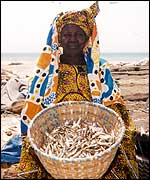
What does the attractive lady with the basket on this page have to do with the slave trade?
Angus Sheepstor
Makes you think, perhaps Plymouth was involved in the origin of that politically incorrect phrase 'nitty gritty' that our policeman and broadcasters tell us they have been advised to avoid>
Ellen Billacombe
Radford House at or near Hooe lake was said to have been built by the Harris family from slave profiteering and I've been told that Kitley estate and house was built by the Bastard family entirely on slave money. May be the wealth did come this way but was sunk into country rather than town houses.
Max
Did any of the silver in the staircase cabinet in the city museum come from the profits of the slave trade? I think we should be told!
Greg Ugborough
Where did Hawkins live? Any chance that as with Drake we might offload him onto Tavistock?
Guilles Quimper
Plymouth shouldn't worry the French ports of La Rochelle and Brest as well as others have all been put through this mill and come out unscathed but better informed.
Archie Totnes
Tell us more, what are the 'symbolic acts' which are undertaken on African Remembrance Day?
Geoff Saltash
What is DARCA?
Alistair Gilwell house
Where in Plymouth are the 'numerous public monuments' to John Hawkins? I only know of the so called square which in reality is a back ally full of drunks and garbage.
Doug Exeter
The heading refers to the slavers' acounts at the time. Where can we read those?
Jimmy Ernesettle
Have there been any other contributors of African descent? I'm second generation jamaican british and proud to be so. I support this campaign and those who have started it. I hope it succeeds and that whatever the outcome there is something which all citizens will take to be a fair and appropriate way of helping present and later generations to understand. Despite appearances to the contrary I take no objection to any of the comments on here all of which seem to be born of the opportunity often for the first time to think about something which has been deliberately or unwittingly submerged beneeth the swathes of simplistic popular history for much too long.
Richard, Clifton Bristol
Why are you lot getting so uptight? We've 'bin there dun that'.All you have to do is flush out a good historian, get the history unchallengably correct, make sure you don't walk into carping predictable criticism from those who don't know and won't or can't think in a balanced way, and then simply blend the awful and horrific details into the nuts and bolts of the chronology before reaching a reliable equilibrium. Then you 'tells it like it is'. There is nothing that Liverpool or Bristol can do to reverse history. In both cases the cities were given an incredible kick start to their mercantile and manufacturing trades. Vast acreages of grand and gentile housing and municipal buildings were laid out. We competed internationally with Venice, Amsterdam New York etc. We never looked back till the the near bankruptcy of the empire as a result of the First World War. Slavery was apart and very important part of it. We can't erase it and we would look mean and self deluding if we ignored camouflaged or tried to erase the truth. So it must be with you.Pity that you missed out on the great wealth bit!
Amanda Higher lane
That's right sally of stonehouse the Christian church supported slavery for hundreds of years with that goody goody Augustine of ?Hyppo at the heart of their pro-slavery theology. Before anyone condemns this trade they should be aware that it was fully supported by the roman and anglican churches for a very long time. Why should we be embarrassed or have to apologise for something that was in line with church teaching at a time when you did what they said or got burnt at the stake? hawkins was a great man, helped save from serhdom, brought trade and prosperity to our town and had a huge reputation as an explorer and privateer. The Queen thought so highly of him that she elevated him and the town of Plymouth appointed or elected him as mayor. That square was justifiably named and that should be an end to it.
Polly Barnstaple
Why are the Plymothians getting themselves so over-excited? It comes as no surprise to those who have always known that the Armada was defeated by a remarkable band of privateers and cavlier dodgy characters who only put country and morals first once their own pockets had been lined. These guys cared nothing for the wholesale slaughter that was necessary before they could rake in their profits. Plymouth just wants to up its own profile and now we see the odd but completely predictable spectacle of half of them wanteing to brush it all out of view and the others trying to take credit for precious holy righteousness. on top of that there is no prospect of this type of campaign group ever getting it together or of their half baked council administration wrapping their minds around a contentious and innovative project. Rest assured that within two months it will have gone away and we'll never hear any more about it.
Sandy North Hill
Could you get the group who are setting this memorial campaign up please put some kind of informative announcement with all their details and any web links on this board so that we can see what they hope for and how they are tackling it? Do they even know that this largely supportive and prominent discussion is taking place?
Sue Higher Compton
If things like the Tolpuddle martyrs sailing from Plymout (or was it their return) warrant a memorial surely the loss of ten thousand lives at the hands of Hawkins/Drake etc must fall well within the criteria?
Liz Western Approach
Mr Host can we rely on your info? You say that Hawkins was made Lord Mayor of Plymouth. Wasn't that title only introduced during the mid twentieth century when the town which had for a while been a borough finally moved on top city status. If you got that bit wrong, can we rely on the other detail?
Hi Liz,
The above feature - which started this debate - was not written by BBC Devon Online. It was a contribution by The Monitoring Group which jointly organised African Remembrance Day along with The National Civil Rights Movement and the Devon African Refugees Community Association.
Host
Pam Plympton san Moritz
Sounds like there's an excellent PhD dissertation in here somewhere. May be some one has done one already. Is there a good book (without too much swashbuckling and glossy illustrations) on the shelves now?
Roy Torpoint
A lot of the comments on here seem to be well intentioned ill-informed tosh.Can we please have some responses from those who know? There is a local Plymouth historian who used to broadcast for the BBC and who still does weekly pages for the Herald - Chris Robinson - who can probably provide leads to good local history books. Your researchers who put together the background page for this debate or the group who organise the African Remembrance day must surely all be able to point us to reliable and detailed book or websites. If this discussion is to be more than just between those who want a dinkly statuette of a suffering slave and those who wish to pretend it never happened, we will need access to more detail with which to inform ourselves.
Stanley Egg Buckland
Jamie, a real mirage on the Barbican! Why do those poor Americans get told that the Mayflower steps are the real thing.Not only did the 'pilgrims' not put their ship in those shallow waters but the steps as they are were only put there in the 1930s.All thjose plaques are a feeble attempt to get the world to believe that the steps have an iconic significance.Plymouth likes making its history out of thin air. At least the slave trade is a hard reality.
Charlotte Prince Rock
Tim's right all these revelations make Plymouth's maritime history much more colourful and worth telling.
Rory Keyham
There's an ongoing project involving Barbican based developer Chris Parsonage building a replica of the Golden Hinde. Perhaps when it's completed it could in part be used to highlight the slave trade issue. Do we know if Drake ever used this most famous ship for carrying slaves?
Jill Newton Abbot
Is the violent kidnapping of slaves by John Hawkins morally any worse than press ganging by the Royal Navy or 20th century military conscription.
Grant Looseleigh
I agree with John of Paddington. This is cause for celebration not mourning. We could still have a fantastic and dignified sculpyure or statue. Maybe a representation of the noble freed slave but created in a way that does not look as patronising and facile as it sounds!
Andrew(proud Plymothian) Mutley
I don't like anything which voluntarily runs down our local or national standing. What may or may not have happened 400 years ago can have nothing to do with present life. Giving people doubts about one of thr most dramatic and momentous times in our naval and local history reduces our collective self esteem, makes history unnecessarily complicated for our children and creates complicated doubts in the minds of prospective tourists. Leave English history alone.
Godfrey Crown Hill
I'm up for a public sculpture. Can the project committee put up details of the bank or office to which donation should be sent and to whom cheques etc should be payable?
Mary Marjon
Why do they want a memorial? Why not just an annual ethnic/diversity awareness/multi-cultural party?
Jamie Roborough
Before this publicity stunt gets out of hand and does the city's reputation irrepairable harm perhaps the council should encourage the group to put a small blandly worded plaque along the wall from the Mayflower steps. Then we can forget all about it and move on.
Clement Underwood Road
The BBC that is. Getting Plymouth a reputation for starting slavery when if anyone is to blame it was the Kings and Chieftains of oceanic west africa is just unhelpful!
Clement Underwood Road
Despite its obvious public information duty I doubt whether the local community is helped in any way by bringing up this sort of topic.
Hugh Portland Square
The Monitoring Group's Rural Racism Project or Darca ought to come on here and let us have some specific details of the present state and future ambitions of this campaign.
Tim - London
There is so much wrong with some of the points already mentioned - the most ridiculous is that if we (the English), had not enforced the banning of slavery around the world then it would still be going on.
I, myslef, have more faith in Humanity. Back to the original point - a memorial or such likes.
Saying that it would damage the good image of Plymouth's seafaring history... Well, to be fair, this makes Plymouth's history far more interesting. Regarding the various comments of "let sleeping dogs lie" is basically the same as pretending it didn't happen. If I shut my eyes it will go away. This is part of Plymouth's history, and for all the monuments remembering Hawkins, where are the monuments to the reason why he got where he did. The Slave Trade.
Jay Stoke Village
The so called 'Pilgrim Fathers' left Plymouth after simply calling in for a few last minute repairs. Their ambitions and non-conformist beliefs were entirely out of step with those of contemporary Plymothians/Devonians. Quite why Plymouth markets itself on the back of these mostly east anglian folk has confused many people for decades.The slave trade is however in a more significant category altogether and has directly affected the lives and unnatural deaths of millions of innocent people and centuries on still remains the case of untold racial strife in the USA and is at the back of a great deal of racial discrimination against carribean immigrants in modern Britain. Plymouth has every cause to face up to this ghastly feature in its history. It should grasp the nettle and deal with it in a measured dignified and public manner. I support the project.
Nicholas Little America
I was surprised but also very pleased to stumble on this part of the message board which has just popped up as the main site for the time being but which looks as though it has been running vigorously for a while. I haven't all the information that I would like but wonder if the following may trigger some futher detail. Some 5 or 10 years ago my grandfather told me about the recent death of a very prominent and well liked black Plymouth Alderman who had been a leading or effective mover in local politics at least since the war.Regretably I cannot now remember the name but have no doubt about the other details. I mention it because my g/f told me that this man had raised the history of Plymouth's links with the slave trade as long as 40 years ago and had given well attended lectures (possibly in the City library or the Methodist Central Hall). Either or both those organisations may have preserved their records. It seems unusual that given the knowledge about John Hawkins' shameful part in the creation of this evil trade that when the council granted permission for the closure and blocking off of historic St Andrew St to create the then Plymouth City Magistrates Court in 1978 (now the District Court) that they then perhaps ignorantly or carelessly named the bombsite to the east 'Sir John Hawkins Square'. They plainly didn't research it and it was probably the suggestion of the not very sensitive or sophisticated tourist office. I welcome the debate and hope it leads on to something worthwhile that will amend or correct the public perception and leave future generations with a fitting reminder of one of the major dips in our local history. PS it says in your text that having made a pot of money from his trade in humans JH went on to be Mayor of Plymouth. Do any architectural or other remnants of his mayoralty remain and if so would they have been paid for with slave money? If so perhaps the best spot for a memorial would be there.
Mark North Road West
I can see the reasons and logic for a memorial in the ironically named Sir John Hawkins Square but wouldn't a better spot be the 'rose garden' on North Hill just below the old reservoir slap bang in the middle of what the Uni and city authorities hope will be developed into the cultural quarter. The area is awash with cctv and most nearby buildings are academic blocks or student accomodation. The setting in a garden park on a main thoroughfare but in an attractive area would be easy to maintain and secure and also be seen by a large number of people. The other Square is nestling between two renown busy pubs and a gathering point for defendents awaiting disposal at the adjacent District Criminal Court.
Ashley Staddiscombe
Can your researchers point up their sources for the text on the community life page on this theme. I'd like to read a loy more about Plymouth and its famous seafarers links with the slave trade.
Kate Greenbank
All these entries and your summary of the history is very depressing and if given more publicity can only harm the City's reputation. This is something which it is not in the local interest to publicise and should be brushed back under the carpet quickly and discretely.
Devonport
Why aren't we reading anything about this slave discussion in the local press?
Margaret - Mannamead
Perhaps the University or a spokesman for one of the slave trade groups could speak at a public lecture on the Plymouth/Slave story so that more of us could understand the history and decide whether it would be worthy of a public monument.
Rob St Mary
Haven't the people raising this slave debate anything better to do with their time. We don't need it. There are far more important things to campaign about locally.Why not sort out the transport system?
Piers - Saltash
Slaves!! Can anyone show that any were ever brought here or that anyone from Plymouth other than Hawkins had anything at all to do with the Slave Trade? Surely the connection is so slight it is better ignored or at least forgotten.
Sarah-Jane Hartley
Put up something like this in Plymouth and within days it will be vandalized either because its there or because of what it is.
Jane - Plymstock
This is political correctness gone mad and the image of Plymouth together with out tourist trade will suffer both from news of the campaign as well as the project itself. Plymouth was a positive and famous part of the exploration of the world and was at the heart of the battle against the Armada which saved us from subjugation to the oppressive powers of Catholic Europe. It is still a major home of the Royal Navy and the present tag of Spirit of Discovery is the best till we can devise another. I'd wish no harm on those who wish to remember the uncomfortable features of the slave trade but lets not involve our great city.
Terry - Pennycomequick
Although Plymouth doesn't seem to hesitate to name bits of roads, roundabouts and spaces with the names of twinned cities abroad it might baulk at an overtly political title. Perhaps readers could suggest something a little more acceptable than either Sir John Hawkins or Slave Trade Square but which could still be a fitting site for a memorial and informative text.
'John' - Devonport
I have some limited experience of multi racial and anti discrimination groupings in Plymouth and regret to say that it is a world that need to work hard amongst itself if it is ever to be able to pull together effectively to put a project like yhis into effect. Plymouth City Council has recently withdrawn its funding from one or more projects and the police who have shown gratifying enthusiasm and support for the efforts of all agencies to reduce racially aggravated crime have also backed off from some funding as a result of the council's reluctance. There are substantial and growing ethnic and mixed race communities in Plymouth many with thriving community and activist groups but rather like the left wing radicals in the late nineteenth century and the nineteen thirties there is a good deal of petty faction infighting that needs to be brought under constructive control. Perhaps this project could be an opportunity to draw the enthusiasm, energies and good intentions together.
Charles - Ford Park
At the moment the rather sad and unprepossessing 'Sir John Hawkins Square' is an odd and incongruous part of the tourist trail past St Andrews and the so call Prestyn House on the way to the Barbican. It is off the beaten track for local people and apart from some low key low budget grey brick stepping and paving with a mixture of starling filled trees it really has nothing going for it and is a particular dissappointment to anyone not looking for a quiet spot. With a little work and thoughtful redesign this almost unknown space could comparatively easily be turned into a near perfect area for such a memorial. It would also enhance the tourist trail and tidy up a neglected but important part of the historical area of the city.
Olliver - Tavistock
In addition to African Remembrance Day on first August it is of course now a week to remember the slave trade in particular. There was a thought for the day feature on the Radio 4 Today programme earlier today 25.8.04. I support the move to have some commemorative memorial or statue in Plymouth. There must be a very good excuse to organise a major multi-racial fund raising party or festival. The Respect organisation hold annualspring festivals in Plymouth Guildhall which is well supported. Perhaps a major event in say the Pavillions could not only bring public attention to such an important cause and the history behind it but also raise the cash for a renown artist or sculptor to produce eg a major bronze etc that would not only be a reminder of the history but an asset to the city centre.
Sally - Stonehouse
I think that we should hesitate to condemn Hawkins or even some aspects of slavery. Augustine gave Christian support for slavery.Although his logic was more complex, he argued that slavery was a response to sin and that large scale slavery curbed further sinful behaviour.
John Birch, Paddington
Slave trade, its still going on in India, Africa and E. Europe, it has nicer names but its still slavery. Slavery was abolished by this country and the efforts of the Royal Navy. British merchants, like those of other countries bought and sold them (they did not capture or enslave them) it was a comodity of the time until made unlawful by this Country and we enforced that all over the world by the Pax Britanicas. The Africans in Plymouth should be celebrating not mourning. If we had not freed them no other country would have and they would still be in chains.
Stuart - Yelverton
I've read Mr Thomas' good book. It even made the best seller and book club lists a few years ago. Can any one recommend further reading perhaps with something more abour Sir John Hawkins and the Plymouth connection? However disturbing the harrowing details of uprooted families, death and cruelty there is a comparitive upside most notably the surprisingly noble determined and eventually successful efforts of the British Parliament and Royal Navy in killing off the trade firstly within our then Empire and then internationally.
Adele - Tothill
It seems to be very easy for anyone even with an unconventional aspect on a second world war memorials to get very speedy permission from the council to erect a statue or plaque on any bit of the Hoe or Barbican even in quite prominent spots. This must be the time to start raising a fund and consulting on an appropriate marker in an agreed place. Sir John Hawkins Square may seem an odd spot at first blush but if its done sensitively with a modest balanced text setting out his undoubted patriotic and trading acheivements with maybe a separate and sincere but candid statement relating to the slave trade then it may simply cheaply and very satisfactorily record the history and provide a lasting note of Plymouth's small but essential and significant part in the process.
Lee - Derriford
Why not call Sir John Hawkin's Square the 'African Memorial Square' or 'Slave Trade Memorial Square' or ' Place'. Think of all the London birmingham Leeds and Liverpool roads and flats that were named after Nelson Mandela only to be derided by the Tories and other bigots but now bearing that name with pride and not a little pleasure at the prescient foresight. Come on Plymouth, as with the smoking ban proposal why not take the plunge and mark this essential part of our history in an informative and appropriate way.
Richard - Mutley
On the slave trade debate (as with other on the excellent BBC Devon boards) why not coax those directly involve to look in on and possibly join in the debate? For example Jon MacKenzie who spoke so well on Justin's programme would no doubt be pleased to contribute and comment on the growing debate here. Perhaps the council road naming anf tourist officers would also have contributions?
Ingrid - Plymouth
I think that the people of Plymouth should be careful before denigrating the reputations of their great English historical seafaring heroes. What is past is past and Plymouth is not known for any slavetrade links. It would surely be better to leave it that way.The general spirit of exploration and adventure in the time of Drake etc was such that there was bound to be experimentation with novel types of trade. It may well be to Plymouth's credit that it did not go on to huge prosperity based on slaves as with Bristol and Liverpool. Better by far to let sleeping dogs lie!
Mike - Barbican
Perhaps some simple temporary sign could be erected in the square now, to be improved upon and replaced after full debate and consultation?
Shara - Hemerdon
What set off this debate on the slave trade thing. I'd like to support a move for a memorial. Who do we contact?
Kevin - host: The issue was highlighted as part of African Remembrance Day which is held every year on 1st August. For further information about the campaign for a memorial contact The Monitoring Group's Rural Racism Project on 01752 664501/5 or DARCA on 01752 568745.
Mark - Mainstone
For the sake of £10 or £15 a time perhaps the best start at letting local children know of the importance of the slave trade connection, a copy of Hugh Thomas' excellent book could be placed in every secondary level school library in the city. The local TV stations might consider producing a modest but accurate documentary about Sir John Hawkins, the city and the trade?
Jeremy - Mutley
I didn't know that Sir John Hawkins' Square existed till I read it here.Its not somewhere you would stumble accross and I struggled to find it on the map.It is evidently a modern layout and looks as though it was named very recently because there is no sign of it on maps from even 15 years ago.I wonder whether the developer or the council committee or official who had to approve it had any idea that they were perhaps too casually recording the life of the founder or father of the English slave trade.No businesses seem to open onto the square except the back door of an Irish theme pub. If the square was altered or renamed or just slightly rearranged to incorporate an informative placard, plaque or notice to summarise the link and slave connection and maybe later some statue or sculpture or robusr artwork were installed it would provide an appropriate but not too confrontational or questionable reminder.adly Plymouth doesn't seem to have the feel or flair for bold and brave self effacing but informative and tourist drawing gestures.
Tim - Tiverton
Back on the slave trade thread I wonder why it is that the cities of Bristol and Liverpool grew prosperous and acquired great institutions and architecture on the profits of slavery and yet Plymouth while having an unrivalled geographical position on the western approaches became a garrison/dockyard town only and sank quickly to become a poor uninteresting and isolated city with the West Country cultural and administrative centres settling and remaining at Bristol Exeter and to an extent Truro.
Deborah Brailsford Derbs
There is a good deal of materiel on Sir John Hawkins but little if anything about Plymouth in the classic and impressive accessable text - 'The Slave Trade' (The History of the Atlantic Slave Trade 1440 - 1870) by Hugh Thomas first published in hardback in the States by Simon and Shuster in 1997 and very widely still availbale in the UK as a Picador paperback. It provides a wealth of detail and an unforgettable insight not only into the horrors and consequences of the trade but also of the motives and callous money driven inspiration that triggered it.
Stuart - Peverell
I spent lunchtime in the local history section of the North Hill library but the staff while friendly and helpful had no idea about the slave trade connections. Perhaps the council and campaigning groups could start by considering an informative plaque and then with later funds may be an appropriate statue or sculpture in Sir John Hawkins Square. It is a quiet small tree shaded area which could very reasonably and sensitively be adjusted to provide a modest but dignified contemplative area.
Stuart - Peverell
I spent lunchtime in the local history section of the North Hill library but the staff while friendly and helpful had no idea about the slave trade connections.
Jill - Lipson
Cool, lets get this campaign to live now. What actually happened?
John - Pomhplett
I heard the report and an Interview on Justin Leigh@s 'phone in. A Johm MacKenzie from some form of diversity awareness group gave a reasoned and apparently reasonable plea that urgent thought be given to ercting some kind of memorial or plaque to remember the millions whose lives were destroyed or chanded by the trade. He made a good case for a heretage trail but was a bit short on local details. Can someone on here please give us a web site ot two or tell us whether the Local History library has anything on this?
Seamus - Pennycomequick
Slaves in Plymouth? Wow! Spitit of Discovery maybe, a dodgy and tenuous connection with the pilgrim fathers on the basis of final repairs but Slave trade, that will put a cat amongst the pigeons. We need to be told more>
Nadine - Hartley
This is new and very intriguing. Presumably no slaves passed through Plymouth but traders from here exchanged stuff in Africa for slaves and then brought other stuff back from North America? Are there any buildings still about which have slave trade associations? Were all the written documents destroyed in WWII?
Paul - Plymouth
This is interesting about the slave trade, a completely fresh approach to our popular history and tourist pitch. Lets hear more about it soon.
Rachel - Plymouth
News today 18.8.4 of a consultation to consider creating a Slavery Heretage Trail and erect a public sculpture or monument to commemorate the millions of black africans sold into slavery in the Carribean and North America as a result of the trade originated by the great Devon and Plymouth merchant privateers such as Sir John Hawkins. Already on Justin's phone in there have been Daily Mail type jingoistic blinkered history readers complaining that this is a cheap attempt to denigrate the image ('Spirit of Discovery'and the like) which local tourist boards want to project. Can anyone on here point to any good history texts or websites which we can use to learn the truth of what happened. Apparently in Liverpool and Bristol the local authorities have made great and successful play of the slave links and seen a huge and appreciative increase in local understanding and tourist traffic. Should we do the same here?