 | 28 October 2014 |

| |
| BBC Homepage | | |
| |||
| Contact Us | | |
About CornwallYou are in: Cornwall > About Cornwall > About Cornwall > Star Suckers 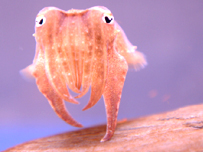 Star SuckersWith a maximum lifespan of a mere 18 months, cuttlefish can change colour and even body shape to match their moods and escape predators by releasing a cloud of ink. See some new baby cuttlefish, born at Newquay's Blue Reef Aquarium. Newquay’s Blue Reef Aquarium is celebrating the arrival of dozens of baby cuttlefish. The mini-marvels, each just over an inch long, were born in the aquarium from eggs laid earlier this year and are thought to be the sixth generation of cuttlefish born at the award-winning wildlife attraction. Their arrival coincides neatly with the aquarium’s forthcoming Suckers Weekend event (June 23rd – 24th) which celebrates the amazing cephalopod family, which include cuttlefish, octopus, nautilus and squid.
Like their eight-legged cousins, cuttlefish can change colour and even body shape to match their moods and escape predators by releasing a cloud of ink. A fringe of fins around their bodies allow them to hover motionless, but they can also move at high speed by expelling a jet of water from a funnel on the underside of their heads. Although they are believed to be highly intelligent, cuttlefish – like most members of the cephalopod family - are relatively short lived creatures, with a maximum lifespan of 18 months. For females the situation is even worse as they breed only once and die soon after laying their eggs. Blue Reef will also be highlighting other members of the cephalopod family during the event, including giant Pacific octopus and nautilus which are also on display at the aquarium Blue Reef’s Matt Slater said: “There are approximately 650 different species ranging from the tiny 5cm long sepiola to the monstrous architeuthis dux, or giant squid, which can reach 18 metres in length and has the largest eye in the animal kingdom – apparently it's the size of a small car tyre! “As well as our giant Pacific octopus, visitors will also be able to come face to face with some real living fossils - the nautilus. “Nautilus are closely related to ammonites which are now extinct. Like snails, nautilus have an external shell which they fill with gas to control their buoyancy underwater,” he added. The BBC is not responsible for the content of external websites last updated: 21/06/07 SEE ALSOYou are in: Cornwall > About Cornwall > About Cornwall > Star Suckers
|
| | About the BBC | Help | Terms of Use | Privacy & Cookies Policy |



 Listen to the
  Watch the