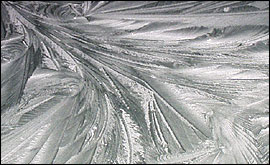
The 30th December 1995 was a day I shall always remember. It had looked like we were in for an afternoon and evening of sleet and snow. But it soon became apparent that far worse was to come. When rain falls onto frozen roads it can quickly form black ice - and we all know how bad that can be. Just imagine how much worse it can be if the rain itself is below freezing when it hits the road - and it can happen if the rain is supercooled. The result is a road which instantly turns into an ice rink. That’s what happened around lunchtime on that day. As rain fell it formed a layer of ice upon contact with buildings, cars, pavements and roads. Any form of movement outdoors became difficult and dangerous within an hour. In fact, many roads in the West Country became impassable - even the M5 was closed for a time and the situation was made even worse by fallen trees, brought down by the weight of ice. Freezing rain is a notoriously difficult thing to predict. It requires warm air aloft through which rain falls. But close to the ground there needs to be some very cold air which cools the water droplets to below freezing, without turning them into snow crystals. It took about three days for the ice to finally melt - I know because I was stranded in the Weather Centre in Bristol for those three days. Freezing rain is relatively common over large land masses, such as North America and Continental Europe. We might be lucky here and not see what’s been dubbed ‘the weather from hell’ for several years.
But if you hear weather forecasters mentioning that particular ‘F’ word in their forecasts in future - then you have been warned! |