|  | The programme is an unflinching account of the hardships and good times faced by those known as The Pioneers - the men (as it usually was) who left their homes and their families behind in India, Pakistan and other areas to come to Bradford.
With BBC archive footage and rare film, East to West pieces together how life was lived back in what were undeniably hard days, and hears from those who were there from the start - and the generations that followed.
Irfan Ajeeb, son of Mohammed Ajeeb talks about the day his father became Lord Mayor as a 'major breakthrough' for the Pakistani community. Many of those who came from South Asia in the 1950s and 60s ended up working in Bradford's mills
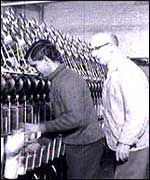 | | Many of those who came from South Asia in the 1950s and 60s ended up working in Bradford's mills |
Irfan says: "Obviously I was quite young at the time so I did not really appreciate and understand what that accomplishment meant. But for a person who was born and raised in a village, who came here with hardly anything and to become the 'first citizen of Bradford' was like saying, 'Yes, we've finally arrived here, they've accepted us - we're here to stay.'"
Nadira Mirza arrived in Bradford in 1979. She talks about her early expectations of England. She says: "I thought it would be something from an Enid Blyton book; lots of nice plump children, big detached houses with massive lawns. I'd heard that the bread was very nice and there was something called jam. I thought it would be very pleasant but very wet and rainy too. That was as a child growing up in Pakistan."
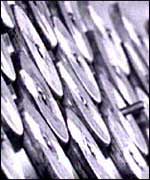 | | For many Asian immigrants to Bradford, working in textile factories was the only source of income |
For many Asian immigrants to Bradford, working in textile factories was the only source of income Nadira, who now works at Bradford University, says: "The first day I arrived in Bradford it was snowing and grey and bleak. I still think that's a classic Bradford day. I remember the walk down Lumb Lane...There were a lot of houses and a full community in those days and thriving small restaurants. I thought it was such a lively place on one hand and so depressing on the other."
Riffat Akram arrived in Bradford in 1964. She was only eleven years old when she arrived with the rest of her family. She says: "The journey was long and dreary. My father tried to teach us some English on the way. I hadn't come across English before so he taught us a few words on the train. When we arrived in Bradford it was an extremely cold November evening. Foggy, smog, drizzle - horrible. And I remember my mum's face when we got off. Some of my father's friends were there to meet us. Dad said, 'We're here'. And Mum looked around and she looked at the horrible, cold, dull, dark place and said, 'THIS is England!' I'll never forget that expression for as long as I live. She was just horrified!"
Black History Month is celebrated in the UK every October. The idea began in the United States in 1926 to encourage the exploration and celebration of Black and Asian people's history, culture and achievements. |
|








 Music listings