Quango quagmire
I've been drowning in a quango quagmire this week. Bogged down trawling through a long list of NDPBs - Non-Departmental Public Bodies as they're officially called - to select three worthy of inclusion in my mini series which ran this week. The idea was to find three typical, enlightening, but relatively low profile examples of the 192 which were being advertised as earmarked for abolition.
The first was fairly easy; the first to go - the Hearing Aid Council. Especially as outgoing chief executive Sandra Verkuyten used her experience to produce a handy guide to winding up a quango.
But what I found trawling through the rest was that a fair number of them are not really going at all. Check yourself (if you've already read the paper and there is nothing on TV).
The functions of around 30 quangos will be transferred to a committee of experts. OK they will no longer be non departmental public bodies but these committees will serve similar functions and still need some kind of funding.
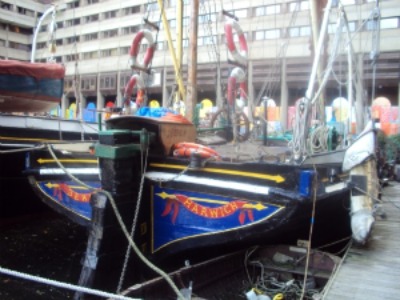
And then there are two bodies which will be "declassified": The advisory committee on the government art collection and the advisory committee on national historic ships. It all sounds very cold war doesn't it? Will the organisations be telling all about closely guarded state secrets? Perhaps that the Cutty Sark was used to spy in Russian waters?
No that's not what declassified means. But finding out what it does mean proves rather more difficult. We asked the committees' parent body the department for culture, media sport. And were given a rather unenlightening reply: "It means the status of the Advisory Committee for National Historic Ships will change. It will no longer be an advisory NDPB."
I asked assistant producer Luke (I don't usually have an assistant but there were a lot of quangos to look at!) to go back and ask how the Advisory Committee for National Historic Ships would change as a result of being declassified.
"Its functions will either transfer to an existing organisation in the cultural sector, or remain as an organisation without advisory NDPB status, in such a way that continued support to the historic ships sector is ensured and that the necessary expertise on ship preservation and funding priorities is preserved."
We couldn't pin the government down on which option would go ahead but the director of national historic ships Martyn Heighton told us the body will remain, and has the same funding, the same staff and the same role as before. The difference is its committee will not be appointed by the government. So why change it? Well we were rather cynically told by one expert in public policy that it looks good to be seen to be cutting back on the UK's quangocracy.
But it's more serious if the Government is relying on achieving heavy reductions in public spending through this policy because, certainly in the case of the historic ships committee, it doesn't spend much money in the first place and it's hard to see how it will spend much less after declassification, than it does now.
Melanie Abbott is a reporter on You and Yours