Health Around the World - a large and complicated subject
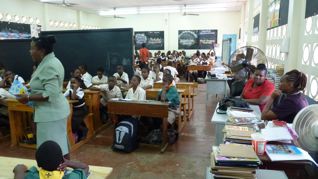
But this is precisely what schools in Scotland and Malawi have been exploring.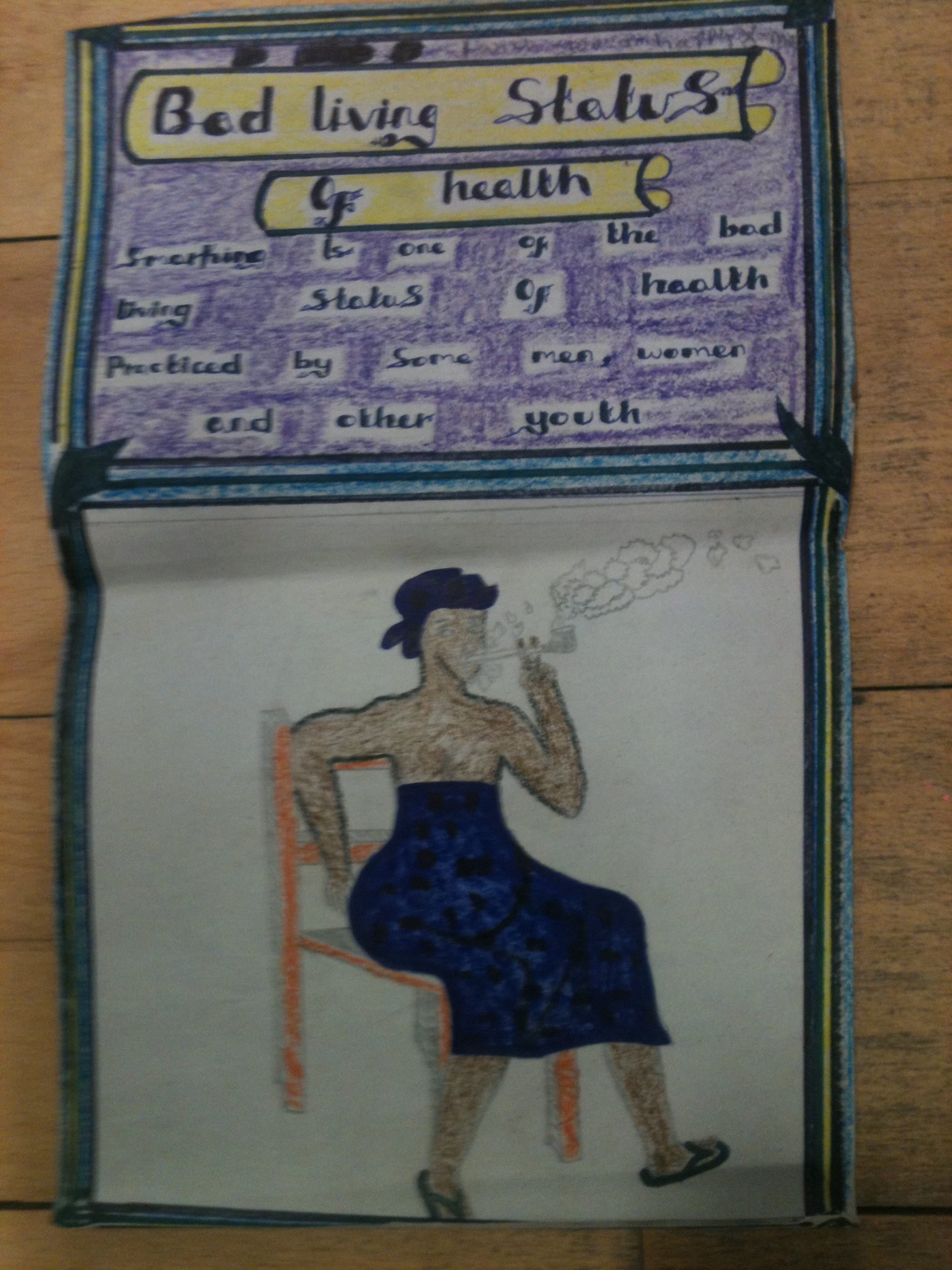
Using resources from the charity Link Community Development, the pupils in Scotland looked at preventable diseases in their community and compared this with their partner school in Malawi, Kamtedza Primary.
The schools also reflected on the importance of clean water and a good diet.
Notable differences emerged in how the Scottish and Malawi pupils defined being healthy. Pupils in Scotland referred to keeping healthy as participating in exercise and not eating food with high fat or sugar content but rather foods that are high in vitamins.
Having a balanced diet with the recommended five-a-day portions of fruit and vegetables was thought of as important.
Children in Malawi thought not smoking or drinking alcohol was important in order to stay in good physical shape. They also thought that it was useful to know how your organs and body work in order to keep them healthy.
As part of their activities the Pumpherston pupils also put together a questionnaire looking at how HIV and malaria affect children’s health in Malawi.
“The pupils were quite alarmed to see how widespread disease is in Malawi,” said Scottish teacher Carina Ramos.
“The pupils were shocked to hear that people who suffer from HIV become isolated in society because others are afraid of contracting it from them,” added Ms Ramos.
The pupils in Scotland now want to know about personal stories that some of the children in Malawi have and how they have been changed by these live events.
They also want to share experiences of occasions when pupils have been poorly at their own schools and how they were treated.
Ms Ramos said of the project: “The pupils have really taken the lead on this and are curious to know more. An insight into another country and how life is different in other parts of the world has really opened their eyes.”