It's goodbye from the Wonder Monkey blog at BBC Nature.
The blog is closing and will no longer be updated.
Thank you to those that have read the blog, shared it and posted comments. There have been some wonderful debates on the nature of evolution, conservation and policies that affect it.
I will not be retiring however, and though the blog is ending, it will not be the end of such articles on BBC Nature.
We are making an adjustment to the way we publish. In the future, comment and analysis articles, similar to those posted in Wonder Monkey, will be found via the Home, News and Features sections of BBC Nature.
That will enable us to do what Wonder Monkey has always set out to do, but more effectively.
I hope to see you there.
Best
Matt Walker, Editor, BBC Nature.
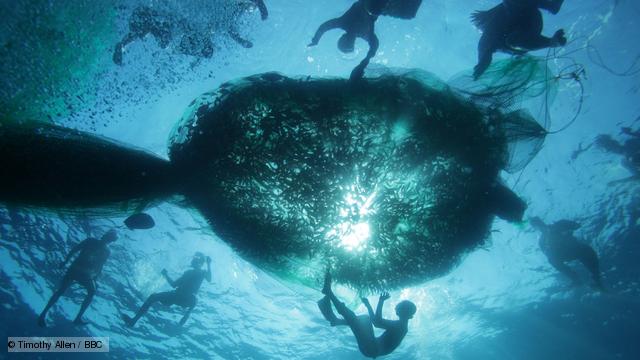
Humans soon learnt how to catch ever greater numbers of prey
Predators have roamed the planet for 500 million years. The earliest is thought to be some type of simple marine organism, a flatworm maybe or type of crustacean, perhaps a giant shrimp that feasted on ancient trilobites. Much later came the famous predatory dinosaurs such as T. rex, and later still large toothed mammals such as sabre toothed cats or modern wolves.
But one or two hundred thousand years ago, the world’s most powerful predator arrived.
Us.
We lacked big teeth or sharp claws, huge tentacles or venomous bites. But we had intelligence, and the guile to produce tools and artificial weapons. And as we became ever better hunters we started harvesting animals on a great scale.
We wiped out the passenger pigeon, the dodo, the great herds of North American bison. Last century we decimated great whale populations. Today the world’s fishing fleets routinely take more fish than scientists say is sustainable, leading to crashes in cod numbers for example, while people kill more large mammals in North America than all other causes put together.
But out of our mass consumption of the world’s fauna appears a curious conundrum.
Read the rest of this entry
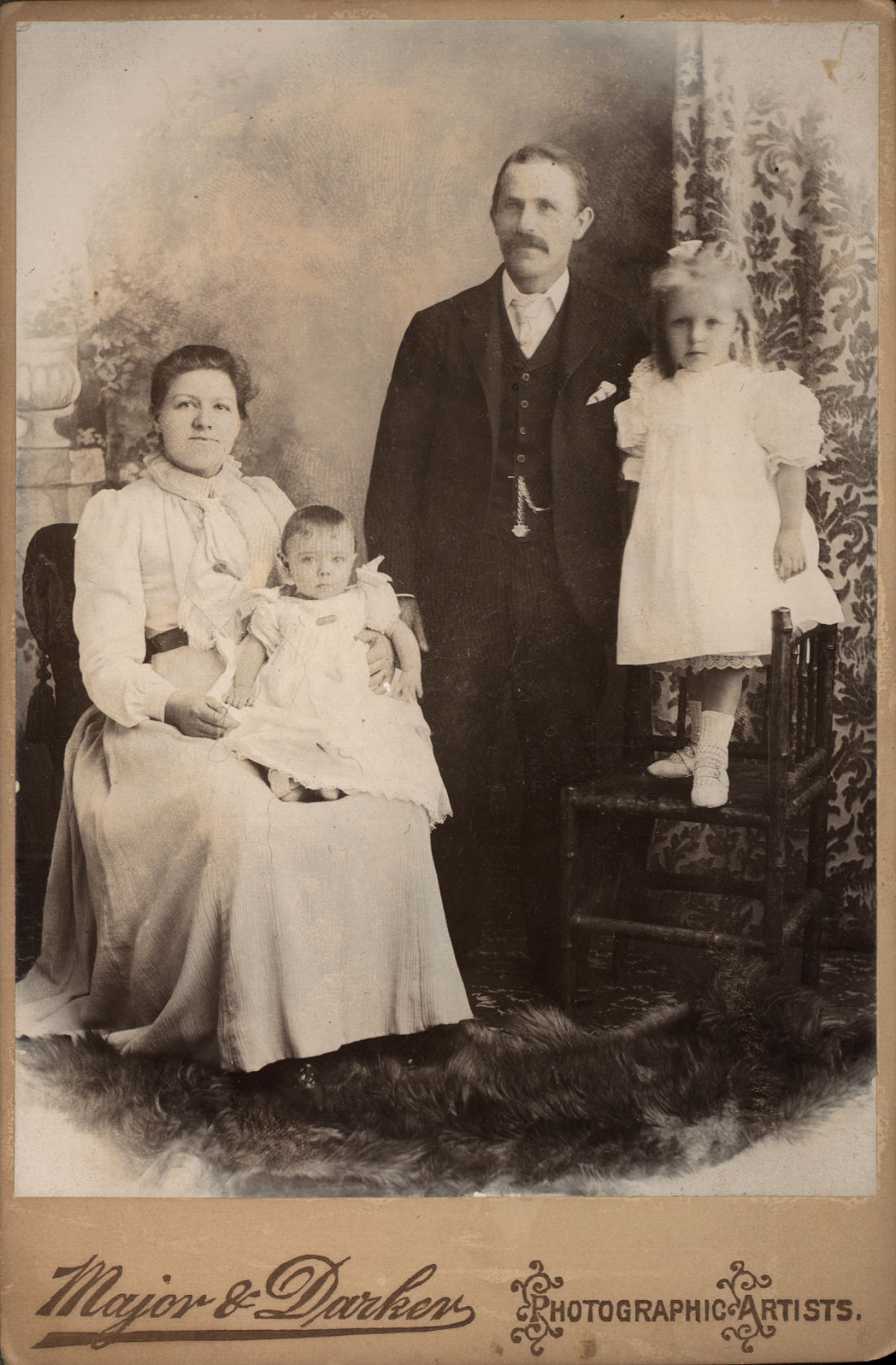
An English family from days gone by
Celebrating Christmas is often a family affair.
Nan and Granddad, Mum, Dad and the kids, perhaps Uncle Charlie dropping by.
It’s an ordinary scene. But perhaps it’s one that is too familiar, that we never question.
Because have you ever wondered where the human family actually came from?
New research into primate societies is helping to answer that very question; shedding light on the origins of the human family.
The work attempts to explain how the family unit evolved, and why humans have different family structures to our closest relatives, the other great apes.
Although human families seem terribly normal to us, the human family unit is, biological speaking, very novel.
Read the rest of this entry


 |12:28 UK time, Monday, 6 August 2012
 I’m Matt Walker, editor of BBC Nature online. This blog is my take on the natural world, and how there’s more to Life than you may think.
