Epiphany came in the shape of a lemon. A mere quarter of a lemon, actually, squeezed in a lentil soup in the town of Cizre, in south-eastern Turkey. And perhaps it was more of a return to faith, than simple revelation.
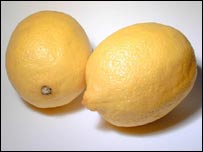 Just a spoonful of the soup and I could taste the lemon entire, not only the tangy juice but the pith and skin too. Perhaps just the hint of pip. It was like the moment that your months-old cold vanishes, your nose is clear, and you finally taste food again, having almost forgotten what the fuss was about.
I usually steer clear of writing about food, partly because I wouldn’t stop, and partly because it would attract jibes about being a greedy fat pig, which I am. But the holidays are upon us, or upon me at any rate, and perhaps it is time for me to indulge myself, on line as well as at dinner.
Turkish food is a revelation. In theory, it’s very similar to what you find in much of the Balkans, Middle East, and Greece: white crumbly cheeses, olives, lots of vegetables, dips, grilled meat. But it is done with a sprightliness and panache that is often sadly missing from the burnt and gristly offerings from some of those other countries.
Take the meal we had in Diyarbakir, in a crowded restaurant just by the airport, as the fighter jets roared overhead (we counted seven). The groups of diners were mixed, some all men, others couples or families. As far as I could see, they were all Turkish, no Western tourists. Service was at breakneck speed. Small boys ran everywhere, delivering cutlery with the speed and flair of circus knife throwers, hurling baskets of steaming bread in the middle of the table, dealing out plates like cards. Their older brothers and fathers proceeded at a slightly more sedate pace, but were still lightning fast, juggling salads and steaming meats.
Pomegranate sauce
It was the best meal I have had all year, so far. And the second best was had sitting uncomfortably low on tiny stool at a kebab place the night before. Diced tomatoes and cucumber in a pomegranate sauce. Watercress in yoghurt, smoky aubergine puree. A tangy lamb stew. Juicy kebabs. Flaky, puffed-up balloons of sesame-sprinkled bread. Like the Platonic lemon of Cizre they all tasted complex, full not just of flavour, but of flavours.
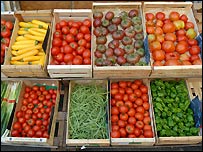 “Fresh and simple,” must be among the words most overused by food writers, but it is one of the keys to Turkish cooking. That restaurant undoubtedly had skilled staff who knew what they were doing. But they had the incalculable advantage of rather wonderful raw produce.
It reminded me of a recent conversation with an Estonian colleague, who has only been living in Brussels for a few months. How did she find it? She said sadly she couldn’t get used to the Belgian food. As Brussels boasts some top-end restaurants and Belgians generally eat rather well, I raised my eyebrows. It was the potatoes, she said. You just couldn’t get potatoes like at home. Belgian potatoes were not a patch on Estonian ones.
As my friend is rather elegant and sophisticated, I had a few days’ fun mocking her for adhering to the Central European adoration of the potato. But she probably has a point. Where are those potatoes of yesteryear, the ones my dad dug from the garden, still tasting of the earth? Or those roadside melons and peaches of childhood holidays in the south of France - the first time I realised that food could taste that good. The answer is perhaps to grow your own, but I neither have the time, nor, I fear, the required colour of fingers.
When I first came to Belgium, one of the things that thrilled me most was to be able to shop regularly in a market. I still love it. I much prefer bustling though a square, seeking out the right stall, queuing in the open air, than wheeling my “chariot” round the aisles, pointing at what I want. But I have to admit that the quality isn’t that fantastic and it’s more expensive than the supermarket. I was recently banned from doing the shopping for paying a ridiculous amount for a free-range chicken at the meat stall, which didn’t taste a great deal better than the shop version.
Tiny artichokes
When I’ve been to Bulgaria and Romania, people say they fear joining the EU will mean the loss of their fresh food, as new rules begin to bite. But it is one of the oldest members, Italy, that I would say has best sustained its flavourful fruit and veg. Perhaps the third best meal of the year was in a Rome restaurant, with its range of antipasti, lightly cooked spinach with olive oil, tiny artichokes, and that curly vegetable which I can never remember the name of (you keep it in water and serve with an anchovy sauce).
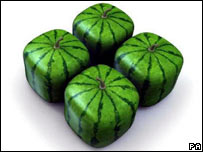 If there is a loss in flavour, who is to blame? Us, for not shopping carefully enough? The European Union and standardisation? Or the demands of the supermarkets for stuff that looks bright and shiny? Or big farms with standardised production? I don’t know, and would be interested in your comments. Am I not right in thinking it took years of breeding and selection to get a tomato to taste even better than the yellowish “plump thing with a navel” that grew in the wild in Peru? So when did human husbandry take the wrong turn and reduce, not increase flavour?
Not just answers to these questions but any food stories from over the summer would be welcome.
Oh, a hint of mystery and exoticism is always welcome in food. So it was fitting we finished that Turkish meal with a coffee flavoured with a spice that I can’t place. It wasn’t cardamom, and I’ve now forgotten the Turkish name... was it Mel... or Mal-something? When I looked it up it just gave me the name of a berry I hadn’t heard of either. It gave the coffee a buttery, almost chocolate-y texture and a very faint mellow flavour, a bit like cinnamon turned down several notches. Well, I’m off to pack. Have a wonderful and flavoursome summer. I will be back in September.


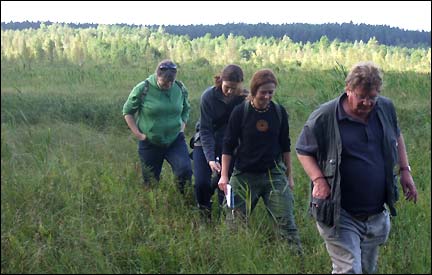 Mired, or even enmired, has always been one of my favourite words. Doubtless many times I have myself been metaphorically in the mire. But today I was quite literally enmired in the peat bogs of north-eastern Poland, as my wellies sank deep into this unique habitat of the short-toed eagle and spotted crake.
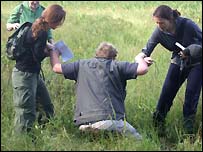 The area is not only home to various rare species of birds but is, according to some ecologists, one of the last remaining peat bogs in Europe. But the Polish government wants to build a bypass, and a bridge would go near the area where I fell over.
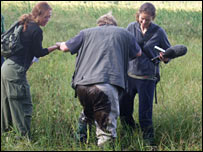 The hard politics of this is that the environmentalists are appealing to European Union rules to stop this route, and the Polish government is having to answer to the European Court of Justice.
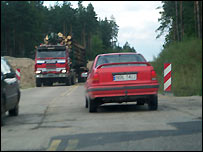 There are of course dual carriageways in Poland but many roads are two-lane, some of them with narrow hard shoulder areas to each side. After furiously beeping one car that appeared to be heading straight for me, I was gently told the rule of the road here is to swing over on to the hard shoulder to allow overtaking. I think I’m getting the hang of it but it’s a perilous business.
  In the meantime what about this magazine cover as more evidence of a common
  I’m Mark Mardell, the BBC's North America editor. These are my reflections on American politics, some thoughts on being a Brit living in the USA, and who knows what else? My


