Modernising tradition
All democrats object to men being disqualified by the accident of birth; tradition objects to their being disqualified by the accident of death.
-- Orthodoxy, GK Chesterton, 1908
GK Chesterton would have had much to say, I suspect, about the proposals to change the rules of succession to the throne, including, as the BBC reports it this morning, "giving royal women equal rights".
Tradition is, almost by definition, at odds with contemporary ideas and values. Customs, rituals and structures which were born of another age are preserved and maintained for the present. Societies cherish these bubbles from the past because of, rather than in spite of, their incongruity.
Beefeaters and bearskins are more than quaint and bizarre reminders of our past. They are a vital part of our today.

In his book Legal Traditions of the World, the Canadian law professor Patrick Glenn argues that political and social theory has "turned to tradition as a possible means of maintaining social coherence and identity in liberal, industrialized societies"
He suggests that if formal sources of law "have become too thin and weak for the tasks they should accomplish, supportive normativity may be found in tradition".
In other words, the forces of globalisation and cultural mixing have magnified the importance people place upon the customs, institutions and ceremonies of the past. Tradition provides a point of constancy, a solid pole planted in the swirling sands of rapid social change. People may have greater respect for ancient tradition than for modern legislation.
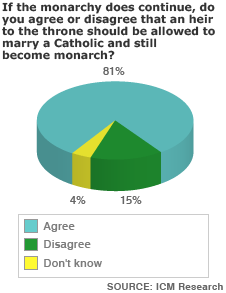 When the Prime Minister Gordon Brown says that "people living in the 21st Century expect discrimination to be removed", he is right. Today's BBC poll is good evidence of how the public believes the royal family should modernise to reflect the values of the age.
But it also offers a big thumbs up for an institution the very existence of which is at odds with ideas of democracy and meritocracy. "Giving royal women equal rights" is almost oxymoronic.
The challenge is in how one protects tradition without allowing it to become irrelevant and incompatible.
Chesterton also said:
Tradition means giving votes to the most obscure of all classes, our ancestors. It is the democracy of the dead. Tradition refuses to submit to that arrogant oligarchy who merely happen to be walking around.



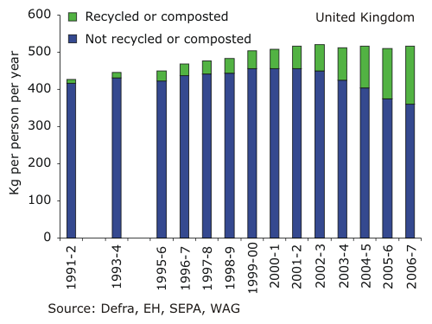
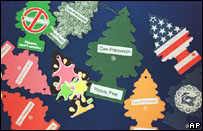 The collapse in car sales and job losses and closures in the High Street are signs that the recession is affecting habits as well as economics. In a society where high status is often measured by new stuff, we are weaning ourselves off our addiction to the latest model.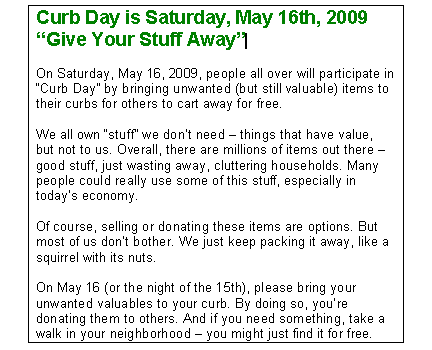



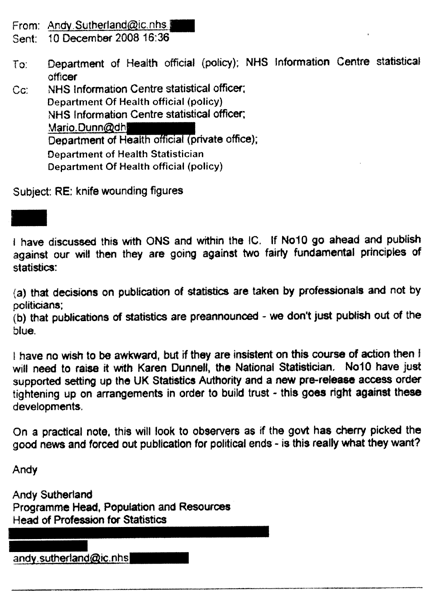
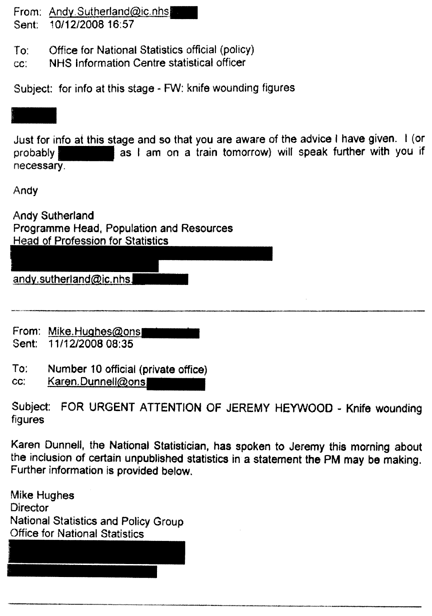
![OCR reads: From : Mike,Hu~ihes(äons . Sent: 11 December2008 11 :03 To Number 10 official Cc: Karen.Durinellons Subject: Knife wounding figures As discussed . I understand that the information Centre currently provide this information to No 10 for management purposes, with provisos that the figures arent final and arent for publication . The Code of Practice doesnt specify the handling of statistics derived from administrative data per se but the relevant principles of the Code are that ; • the Head of Profession will decide the publication date for the derived statistics • the publication date will be pre-announced. Happy to discuss further. I'm best contacted on my mobile Mike Mike Hughes Director National Statistics and Policy Group Office for National Statistics From: Number 10 official Sent: 11/12/2008 11 :22 To: Mike.Huhesojis Cc: Karen, Dunneflons ihevwoodno 10 . Subject: RE: Knife wounding figures EUNCLASSIFIEDI [Non-Record] Thanks Mike, I am most grateful to you for bringing this to my attention and am pursuing urgently at this end . Regards](/staticarchive/26cb52b2ea0dd1bbf1b7a147b3816767eca56611.gif)






 I'm
I'm