


So whose side are they on?
- 13 Feb 07, 10:52 AM
Is journalism – including BBC journalism – ‘on the side of’ civil liberties? Or at least, on the side of free speech?
A question worth putting after the Sun twice asked last week “whose side are these guys on?” ... meaning, the BBC. It was first prompted by a correspondent on the Ten O’Clock News reminding viewers that the Birmingham terror arrests were “an intelligence-led operation. Intelligence can be wrong". Forest Gate? Jean Charles de Menezes?
Then, after one of those men arrested - and released a week later – appeared on Radio 4's Today programme, the Sun mused:
- "It sometimes seems the BBC would prefer terrorists to succeed than for an innocent man to be briefly held without charge. In their politically correct bubble, intelligence is always flawed and anti-terror action is inevitably heavy-handed. So the release of two suspects held over the alleged plot to behead a British Muslim soldier was a gift from heaven."
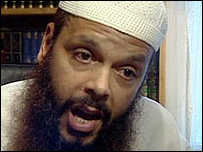 Over at the Daily Mail, columnist Richard Littlejohn objected to Abu Bakr's using his freedom to say on Today that Britain was ‘a police state for Muslims’.
Littlejohn’s logic was tortured: mind, it was the same column in which he found it hard to condemn bomb attacks on government offices ... so long as not too many people weren’t too badly hurt.
I quote:
- “Be honest, until you heard that a woman had been injured, how many of you suppressed a cheer at the news someone had sent a letter bomb to the company which runs London's congestion charge?
- …
- Even after we learnt that two men were treated for blast injuries, I'll bet that there were still plenty of motorists who thought: serves the bastards right.”
Two things made Abu Bakr a bit ‘dodge’ apparently; one, that he seemed ‘very well briefed’ and two, that he was represented by one of Britain’s best known civil liberties lawyers. He should have made it a fair fight and engaged a copyright lawyer, I suppose.
Littlejohn is, of course, wrong footed by the inconvenience that, in the eyes of the law, Abu Bakr is as innocent as anyone … perhaps even more innocent than someone with an ambiguous stance on blowing up government offices.
It would, he argues, have been ok to interview Abu Bakr if the BBC had a record of interviewing, let’s say, the (innocent) associates of gangsters.
BBC Head of TV News, Peter Horrocks, posted here last Monday that it’s “not the BBC’s job to take sides”.
Sort of.
If journalism is about anything it is about free speech. No-one would – or should - question the right of Sun leader writers and Mail columnists to speak freely. If predictably.
It’s the same right that allows the pub bigot to void his spleen in the snug … or an innocent bookshop employee like Abu Bakr to tell Today that he thinks he and his fellow Muslims don’t enjoy the same civil liberties that, say, Richard Littlejohn enjoys. However offensively well-briefed his argument seems.
The Mail and the Sun are in that great tradition of punchy, gobby, misguided, opinionated, rabble-rousing journalism in this country – and long may it survive. Long may they keep their right to be wrong.
But that right applies to every individual and it's the job of journalists to support it; the freedom to speak, to be treated fairly and according to the law and to be free to live a life unburdened by prejudice.
There’ll always be forces pressing to take those liberties away; there’s always been a new ‘crisis’ that means this age is different from all that went before. The pieces will always be in flux …
But when journalists write leaders and columns against freedom of speech … you really do have to wonder whose side they’re on.
Kevin Marsh is editor of the BBC College of Journalism