


How to beat the bullies
 |14:55 UK
time, Monday, 15 November 2010
|14:55 UK
time, Monday, 15 November 2010
Sometimes, even after years of working with children, a story about bullying will grab me by the heart. I think I’ve heard it all before —but then, a mother will call, frantic that her little girl is self-harming again, or a newspaper will ring for a comment on the death of a ten year old, who’s hanged himself after a prolonged campaign of bullying.
I remind myself there is help for those parents and those wounded children, help that will in most cases allow them to overcome their difficulties. But anyone who loves children is struck by the violence that many face, and the effects on the children, on the adults they grow into, and their own families. Such small acts have such a large rebound.
Wind the clock back and we can all remember the children deemed “weird” or different, who were teased mercilessly over their clothing, their accent, their interests, and their awkwardness. Perhaps you were one of them yourself—I’m sure I’m not alone in remembering being targeted; in my case, as I was new to England and English, for my “froggie” accent. We do know a bit more about bullying now, though, and as a mother, as well as someone who sees the consequences of bullying every day, I know that initially, these lifelong skills are learnt in the home.
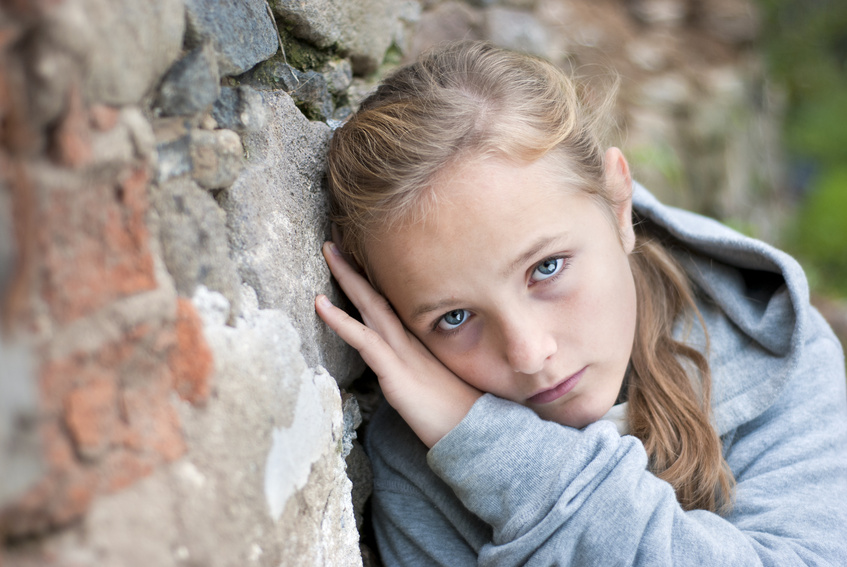
Bully-proofing your child begins as your child matures, and needs constant reinforcement as they grow. Here are some points that may help:
Learning to share is key
From toddlerhood, emphasise that playing involves sharing, that hitting is not all right, and playmates must take it in turns being “the boss.” A very young child is going to make the same mistakes over and over again, so be prepared to repeat, repeat, repeat.
What is your body language saying?
Young children can begin to learn to stand up straight, to look people in the eye, to speak up. Our experience shows that bullies home in on young people who look timid, and who are easily prone to cry. A child who looks like he has self-confidence - even if he isn’t feeling it -may never be bullied. And acting brave will turn into believing in one’s own courage.
Learning to be assertive not aggressive
It’s never too late to teach assertive—not aggressive—behaviour. That means, standing up for oneself, without attacking others. It’s much better when they can learn this early, within their own family. If you had your own problems with bullying as you grew up, and have taught your child to “be nice”—you may need to look at your own body language and speech. Children learn from what’s around them.
Everyone has a right to be different
It is an old adage that children who are “different” are bullied—and I know that happens. It could be because they have red hair, use a wheelchair, have lost a parent, are very clever or have learning issues. It is worth reminding your child to learn that everyone has the right to be different and that many of our strengths grow out of just that.
Encourage them to have special interests
It’s a lucky child who has a passionate interest, odd as it may seem sometimes—reptiles, anyone? Supporting your child in pursuing a dream is helpful to his or her self-esteem. Having lots of friends with different interests means that the young person will have more than one circle to join. Doesn’t like football? Find another outlet.
The chief difficulty in helping a child who is being bullied is trying to find out if he or she is under attack. Children may not want to tell parents their secrets at the best of times. They may be being threatened with more harm. They may feel as if no one will understand, or support them. They may adjust to their situation, however hard, and fear any intervention will make it worse.
If they are being cyber bullied—attacked by phone or online methods—they will keep silent lest their parents take away their phone or computer. The destruction of their self-esteem that bullying creates makes many feel as if they are no good— that they may even deserve their bullying.
What are the signs of bullying that a parent should look out for?
Be aware that there are some predictable periods when bullying increases in ferocity, often differing by gender. Girls of 8 or so, then again around 10, and on into secondary school, are very reliant on their social circle; boys come later to this stage. But girls as well as boys are increasingly turning to violent behaviour. Evidence of the ladette culture is too often in our newspapers.
Children who are being bullied may:
- be frightened of the journey to and from school
- have nightmares, or regress
- be unwilling to go to school
- begin doing badly in their school work
- become withdrawn, distressed, self-harm, even attempt suicide>
- have possessions or money disappear
- give improbable excuses to explain any of this
- feel isolated and excluded
It’s helpful if your child is still small, to make the habit of a talk, perhaps as part of a bed-time ritual. It’s best to build the trust and confidence for when you and your child will really need it.
And remember—it’s time we all worked together to keep our children safe.
Claude Knights is the director of Kidscape, the UK’s first anti-bullying charity, now celebrating its 25th year. Visit www.kidscape.org.uk for more child safety information and support.
Watch a clip on cyber bullying on BBC News School Report.


Comment number 1.
At 12:28 25th Nov 2010, Nellie wrote:My daughter is being harrassed alot in her new school & the thing that surprises me in all this is that she is a very confident child. She doesn't fit the typical stereotype of a timid, quiet child who is an easy target to bully. My daughter stands up for herself in all instances & yet the harrassment continues. My only theory is that she's her own person & won't conform to peer pressure. The pack mentality whereby somoe children follow others to stay our of harms way. I am proud of her for taking a stand & doing her own thing but at what cost if she is constantly bullied?
Complain about this comment (Comment number 1)
Comment number 2.
At 15:40 10th Dec 2010, U14717142 wrote:All this user's posts have been removed.Why?
Complain about this comment (Comment number 2)
Comment number 3.
At 14:17 29th Jan 2011, U14767691 wrote:This comment was removed because the moderators found it broke the house rules. Explain.
Complain about this comment (Comment number 3)