The shift from Taliban-controlled media
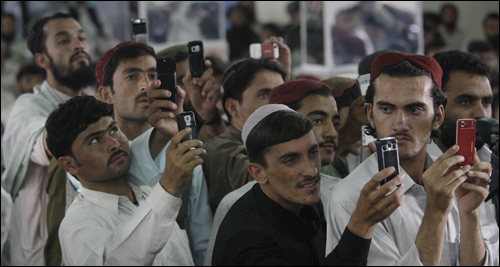
Fascinating times. As the Afghanistan election results slowly creep out this week, one bright note that came out of last week's tense pre-election build up was how vibrant the media in Afghanistan is at the moment - and how engaged ordinary Afghans are by more open coverage.
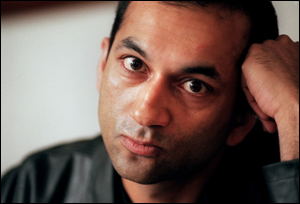 Freedom of the press is enshrined in the constitution although that didn't prevent the current leadership exhorting journalists to avoid reporting violence on the day of the election for fear of deterring potential voters. So not perfect, sure, but talking to the BBC's Lyse Doucet and her Afghan collegue Schweib Sharafi in Kabul for Over To You, I was struck by how positive they were about the enthusiasm and commitment of young people relatively new to the media scene there.
With dozens of independent newspapers and broadcasters covering the polls, it makes for a welcome contrast from when the Taliban tightly controlled media output. Although one caveat about developments today - do we really want an Americanisation of political coverage whereby one leading candidate is advised by James Carville, former adviser to President Clinton, before the televised Presidential debate a few weeks ago ?
And also interesting to learn how the Taliban are very conscious of the influence of international and domestic media on ordinary people's views and in their own way try and shape the agenda too. They are very aware for instance about the wavering support in country's like the UK for the continued presence of "Our Boys" in war torn areas like the Helmand region, as the death toll rises.
I suppose, from my perspective, the more the media can give a direct voice to whats actually happening not just in the corridors of power but in marketplaces and on street corners in countries like Afghanistan - as much as they would say, from the shopping centres of London and Manchester - the better. There's a parallel to be found in cinematic depictions of situations outside the West. I saw a new American movie called "The Hurt Locker" last week - a relentless and unflinching portrait of the life of a bomb disposal squad in Baghdad. What struck me about the movie was how yet again, citizens of the host country were mostly portrayed as either victims, onlookers or perpetrators of ongoing violence. I yearn for more portrayals in big budget features of everyday lives and concerns outside the prism of conflict - even in a war film!
In this week's programme we develop the theme of the ever-changing relationship between audience and broadcasters, with news of new platforms being given to villagers in rural North Nigeria via modern mobile phones. The aim is to provide user generated content for the Hausa service first and then the World Service at large on stories and issues that wouldn't normally be covered. We look at how Europe Today has been introducing guest editorships to individual listeners and how a new series, provocatively titled "Why is Africa so poor?" attempts to avoid wheeling out views of analysts and aid agencies from the outside and instead tries to gauges perspectives from ordinary Africans themselves. Ambitious project, mind you....
So what do you think? Is the World Service moving in the right direction - is it broadening its contributor pool enough? Which voices would you like to hear more of? Or is there a danger of the professional, seasoned reporter's analysis being obscured by this mission drive to be more inclusive? Let us know...
Rajan Datar is Presenter, Over To You.