Blueprint: the season begins
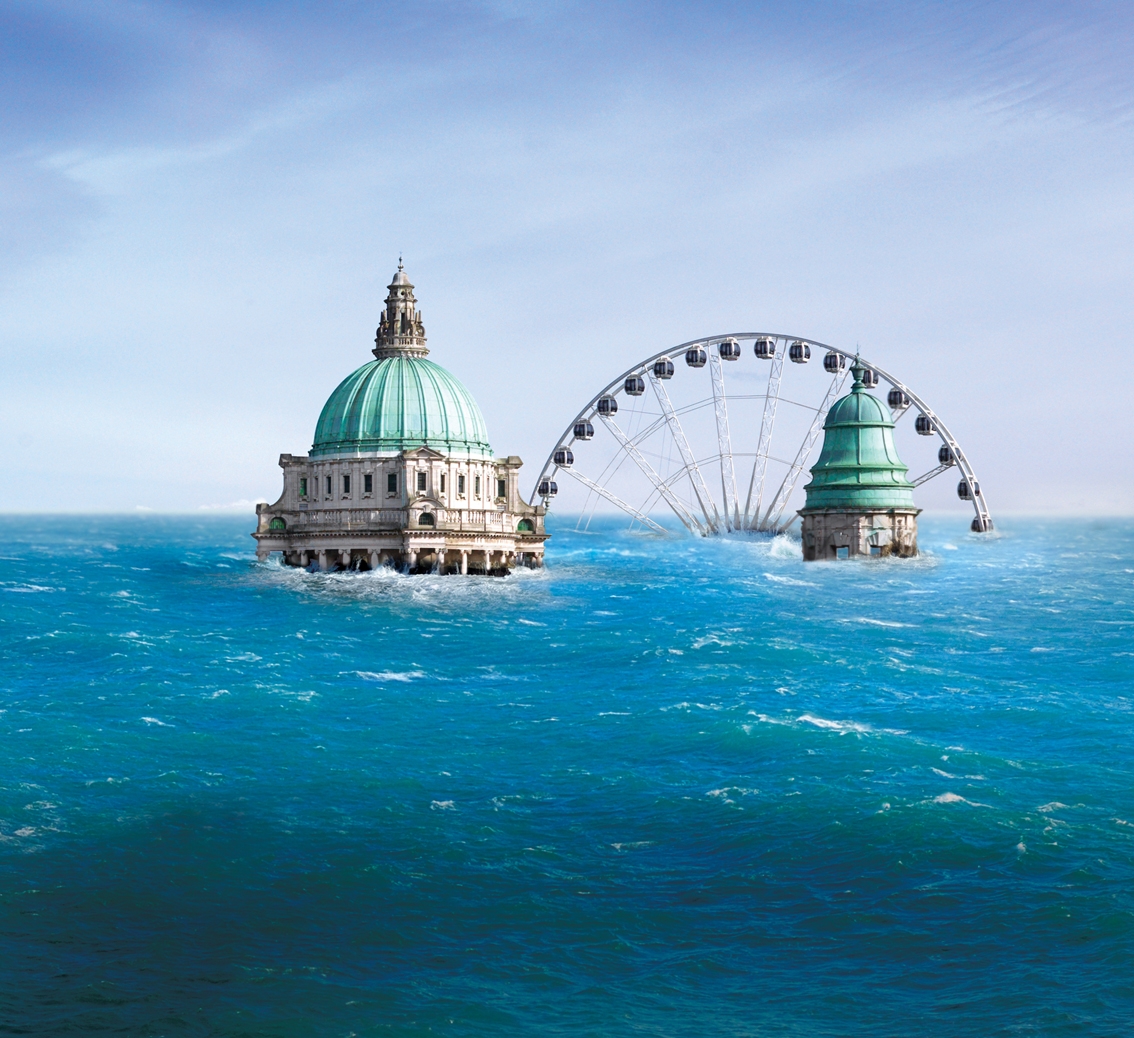 It's been two years in the making, a massive commitment by the BBC to tell the epic story of how Northern Ireland became the place it is today. Tonight, at 9.00 pm, the Blueprint season is launched with the first of a three-part TV series on BBC One NI. There are follow-up programmes on Wednesday night, and a radio series begins next Saturday.
We have a new Blueprint website, which will grow and grow to become, I hope, a major portal for exploring our past (see here). The website goes live after the first programme in the series. In tonight's TV programme, we explore our landscape and how it was formed over a period of millions of years. Find out how Ireland became an island.
 The BBC will also be hosting "The Blueprint Experience", in partnership with the Ulster Museum, on Saturday 19th and Sunday 20th April at the BBC's Blackstaff House in Belfast. The event is free and tickets will become available following the television broadcast tonight at 9.50 pm. You can register for tickets online here or call the Ticket Line on 0870 333 1918.
 Natalie Maynes, Blueprint's series producer (take a bow, Natalie) has written about the perils of natural history productions for BBC Online (read her article here). She recalls the day we tried to paddle in a boat along the river Bann, when the production team had to be rescued by a safety expert who waded into the river and pulled them and their boat back to the launch point. I should point out that no presenters or producers were injured during the making of Blueprint.
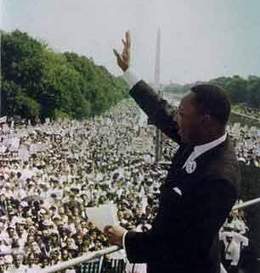 Dr Martin Luther King was assassinated in Memphis, Tennessee, on 4 April, 1968, and we'll be considering his legacy on this week's Sunday Sequence. King was the youngest person in history to receive the Nobel Peace Prize -- at the age of 35. What he achieved, in terms of the cultural transformation of America, before his death at the young age of 39, is a lesson in the art of living a life that makes a difference. I'm particularly interested in exploring Dr King's distinctive theological and political commitments, and how one set of commitments informed the others.
 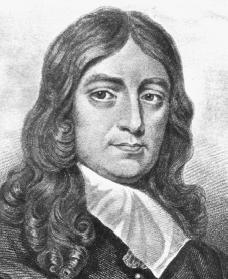 Also this weekend, we'll be marking the 400th anniversary of the birth of John Milton, one of the greatest poets of the English language -- and one of the English language's most political poets. Politics and religion are united in the works of Milton, as they are in the works of Martin Luther King, and we'll be examining that heady ideological mix with three of the UK's leading Milton scholars, including the distinguished biographer Claire Tomalin.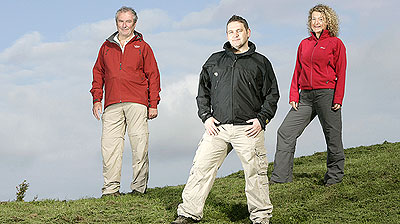
 Jamie Rubin, a former assistant to President Bill Clinton, and now a member of Hillary Clinton's campaign team, has dismissed David Trimble as a "crankpot". Mr Rubin was responding to Trimble's comments about Hillary Clinton's claim that she was "instrumental" in the bringing about peace in Northern Ireland. Lord Trimble had previously suggested that Senator Clinton's claim was "a wee bit silly". Rubin, a former spokesman for the US State Department, slurs David Trimble in an interview with MSNBC (watch
 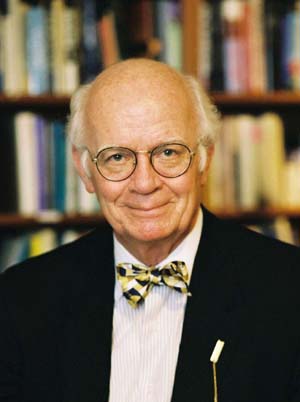 Barack Obama has been villified in the United States -- mostly by Hillary Clinton's campaign -- for attending the church in Chicago pastored for 36 years by Dr Jeremiah Wright. Mrs Clinton says she would have resigned her membership of Trinity United Church of Christ congregation in protest at the sermons preached there by the pastor. The fact that Barack Obama has refused to resign from the church (or to dismiss his former mentor as a race warrior) is evidence, according to the Clinton campaign, that Mr Obama is not fit to be president. Step forward Professor Martin Marty, America's most distinguished historian of Christianity. In
  Until the launch of Blueprint, our natural history series. But then you knew that, didn't you? Have you seen one of our TV teasers yet? You can watch
 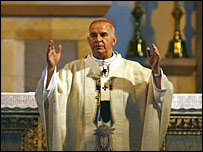 Cardinal Keith O'Brien, Scotland's Catholic primate, is using his Easter sermon to attack the government's new Human Fertilisation and Embryology Bill as "
 If you missed Thursday's
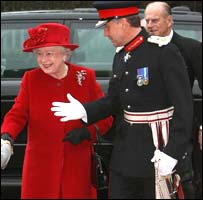
 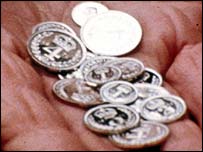 Today, for the first time in the eight-century history of the ceremony, the Royal Maundy Service will be held outside of England and Wales. Saint Patrick's Cathedral in Armagh is the venue for this year's service, with the Queen distributing the Maundy Money to 164 pensioners from across Northern Ireland. Her Majesty will be accompanied by the Duke of Edinburgh, and supported by the Queen's Bodyguard of the Yeomen of the Guard. The Choir of Saint Patrick's will join musical forces with the Choir of the Chapel Royal, under the direction of Andrew Gant. The four church leaders, including Cardinal Sean Brady, will take part and pronounce the Blessing together at the close of the service. And you can watch this unique and historic ceremony live on BBC One NI from 11.15 this morning (with an edited highlights programme later tonight). I've been researching the history of the service and the ceremony at its heart for a few days in preparation for presenting our coverage from a terrific vantage point at the West Door of the Cathedral.
 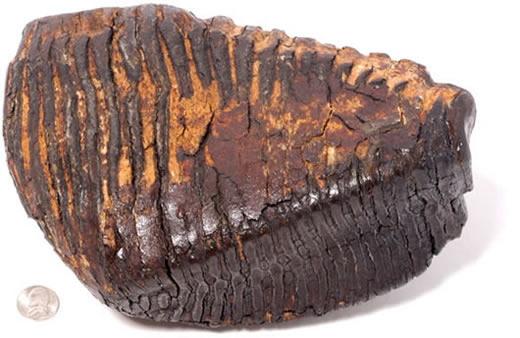 Anyone have any idea what this mystery object is? That's a coin to the bottom left of the object, which gives a sense of the scale. Leave your suggestions below.
 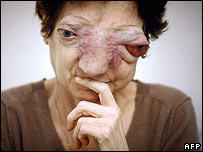 A French court has told a woman suffering from an incurable facial tumour that doctors cannot assist her suicide. Chantal Sebire (pictured) suffers from esthesioneuroblastoma, a rare cancer of the nasal cavity which will progressively damage her brain and eventually kill her. Already her ability to see, taste and smell has been significantly impacted.
 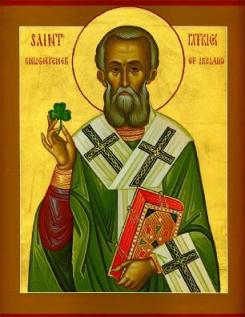 Whether he came from England, Scotland or Wales -- we can't be sure -- one thing we do know is that Saint Patrick wasn't from Ireland. This 5th century Roman Briton was apparently abducted at the age of 16 and brought to Ireland by slave-traders; six years later, he escaped back to the larger island to the right of us, then returned as a missionary priest some years after that. If there are no snakes in Ireland it is because of the Ice Age, rather than Patrick's episcopal crook. But the influence of Christianity on this island, which this legendary figure has come to embody and symbolise, has been immense. Few of Patrick's writings have survived, but we do have two documents, his Confession and his Letter to the Soldiers of Coroticus, which give us a sense of the
 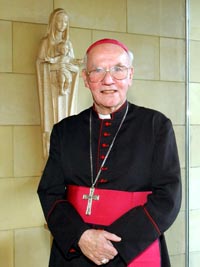 A Catholic bishop has infuriated members of the Scottish Parliament with
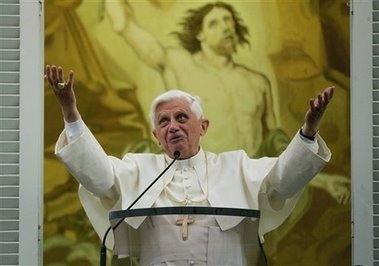 The Catholic Communications Network has published a
 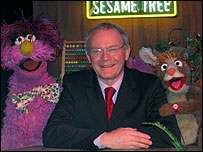 The Deputy First Minister of Northern Ireland has been making new friends. There is some chuckling, but that's as far as the political partnership has gone so far. Add your suggested photocaption below.
 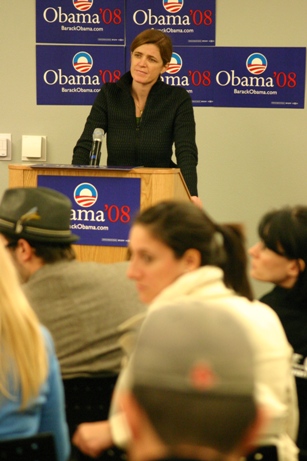 Another question about journalistic ethics is raised by the resignation of Barack Obama's foreign policy adviser Samantha Power. Ms Power was born in Dublin in 1970 and raised in the United States, where she works as an academic at Harvard. She is also a very accomplished writer; her book "A Problem from Hell: America and the Age of Genocide" won a Pulitzer Prize in 2003. She visited Queen's University last week as part of her ultimately controversial visit to the UK and was interviewed on Radio Ulster.
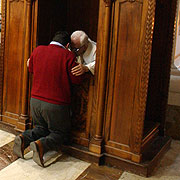 The Seven Deadly Sins -- sloth, envy, gluttony, greed, lust, wrath and pride -- made famous in Dante's Inferno, have just been updated by the Vatican with a new list of deadly (or "mortal") sins that includes drug-dealers, environmental polluters and the excessively wealthy. The
 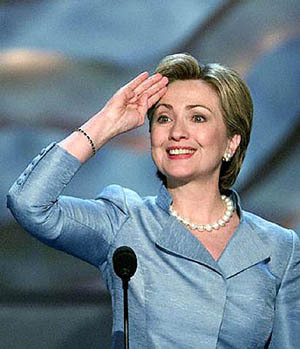 Keen observers of the race for the Democratic nomination in the United States may be able to help me understand this curious turn of events.
  The title of Ed Moloney's updated biography of Ian Paisley. Ed was my guest this morning, alongside Eilish Rooney, Henry Patterson and Jim Dougal. Feel free to add your views here to those expressed in the radio discussion. When the dust settles, how will history judge the legacy of Ian Paisley?
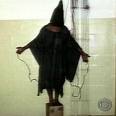 After last night's fightback by Hillary Clinton, the only thing that seems clear is that Democrats can't decide at present between the election of America's first woman president or first black president. At the moment, the candidates are fighting more about universal health care than foreign policy. But in the weeks ahead, we can expect the war on terror to climb in the public agenda, now that Republicans have selected a war hero who personally experienced torture as their candidate. John McCain has a strong track record in opposition the use of torture techniques in the battle against terrorism. Recent statements by Hillary Clinton have parsed the difference between torture and other "softening" techniques.