

Will housing reform get too tough to construct?
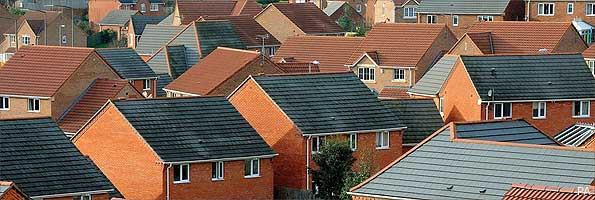
A small housing estate in DH Lawrence country in the Nottinghamshire town of Eastwood is home to Gladys Tustain. She is one of those people who are the heart and soul of any community.
Gladys - now in her 70s - lives in a council bungalow and pays £56 a week in rent. She's had a new kitchen installed and she's delighted with the improvements.
"I'm very happy here. I wouldn't want it to change," she tells Milan Radulovic, the Labour politician responsible for housing on Broxtowe Council and its 4,500 council homes. Unlike Gladys, tenants in housing association properties in the area will be directly affected by the Coalition reforms.
"I'm extremely concerned for the future of social housing," he says. "The Coalition have hastily put together these housing changes. They just haven't been thought through."Plans to cut housing benefit have dominated the political agenda, but its other reforms are also controversial. It wants to set social housing rents at 80% of the market average and for new tenants, scrap the right to keep a council home for life. The aim: to provide more social housing.
The weekly rent for a three-bedroomed council house in Eastwood is £64. But for a family with a housing association, how much would rents increase?
I visited a residential letting agency in Eastwood to find out the cost of renting a similar sized PRIVATE home and calculate the likely rent rise for social housing tenants.
"You'll be looking at £400-£500 a month for a three bedroomed private house with off street parking and a garden," says Tracy Williamson, of the You Move letting agency.
So 80% of that - under the government's market average - could mean a family sized home with a housing association costing an extra £60 a month.
That's a lot more money for tenants, even on average incomes, to find. Broxtowe's Council Leader David Watts, a Lib Dem, acknowledges that:
Coalition ministers say the changes are necessary to provide the cash to build more social housing.
The housing waiting list in the East Midlands is long and getting longer. In Leicester, just under 9,000 are on the waiting list; it's 7,375 in Derby and there are 12,000 applications in Nottingham. Homelessness across the East Midlands now totals 120,000.
"With half a million public sector jobs being lost and an equal number in the private sector on the back of that being lost, there are going to be further strains on the affordable housing," says Chan Kataria, the Chief Executive of the East Midlands Housing Group. It's the region's biggest provider of social housing.
"At a time when new affordable housing supplies are reducing, it doesn't bode well."Back to Broxtowe, where the council is run by a coalition: it's LibLab not ConDem.
Labour's Milan Radulovic sums up his concerns like this, especially on the ending of secure tenancies.
Broxtowe's Lib Dem leader David Watts is sticking to his Coalition guns.
Eastwood and Broxtowe are good locations to test early reaction to the government's housing reforms.
The architects of the Coalition may find consensus on housing policy increasingly difficult to construct.
 Hello. My name is John Hess. I'm the BBC's Political Editor for the East Midlands and this blog will offer my musings on the political scene from Westminster to closer to home.
