

Motorway man and woman in election seat
 If you want to find the typical East Midlands marginal, then come to Gedling. It sweeps across the leafy suburbia of north Nottingham, taking in communities such as Arnold, Carlton and Burton Joyce. Once a safe Tory seat, the voters switched to New Labour. But is this swing seat about to swing again?
More importantly, which group of voters could be decisive in this sort of constituency? It's been held by Vernon Coaker since New Labour's landslide victory of 1997.
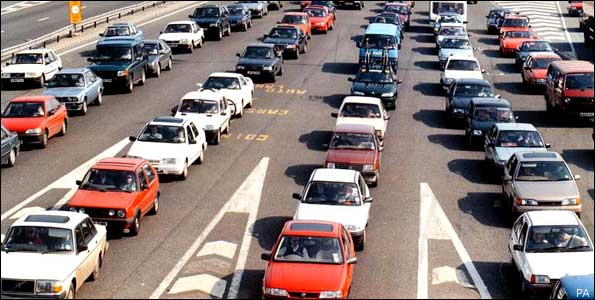
In this election, the target voters are "motorway man and woman", according to the Nottingham-based research company Experian.
They tend to be young couples who backed Tony Blair, but have become disillusioned with Labour. Their finances are stretched and they are significantly over-represented in the key constituencies that cluster around the motorway network.
"It's certainly worrying for Labour because some of these key groups have changed allegiance. In 2005, they were very much Labour. Now we are looking at them turning blue," Experian's Bruno Rost told me.
"Motorway Man and Woman" make up 15% of the electorate. But it's the voting intentions of another group that will cheer the Tories. These voters are grouped as
"industrial heritage" and are found in the former industrial and coalfield areas of the East Midlands.
"They are typically people who have worked in manufacturing.They are highly skilled manual workers and those jobs have gone in recent years," Bruno explained.
"They are left with logistics and call centres. At the same time, the influence of the unions has gone, so they are less militant and they are drifting towards the right...and some are drifting towards the far right."This group represents 7.5% of the UK households. That number doubles in many of those East Midland Labour marginals.
 Hello. My name is John Hess. I'm the BBC's Political Editor for the East Midlands and this blog will offer my musings on the political scene from Westminster to closer to home.
