

Pumping up parish power?
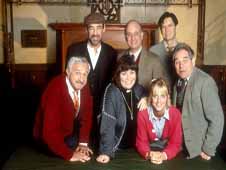 If you think parish pump politics is like an episode from "The Vicar of Dibley", then think again. All is far from quiet in parish council land. In fact, there's noticeable disquiet. It's over their future role and the devolving of new responsibilities from Whitehall. The days when parish councils only had powers over the local allotments or playing fields are over. Now they are to get a bigger say on planning issues, parking fines and even anti-social behaviour orders.
In part, this is the result of the abolition of district councils in county areas that have opted for unitary status, such as Cheshire. With the middle tier of local government gone, parish councils have an enhanced role. It's what all the parties have in mind when they talk about encouraging "localism".
But are our parish councils and the "locals" who sit on them really up to the job? Julie O'Neill says definitely not. She was elected onto the parish council in Burton Joyce, a suburban village just north of Nottingham, and quit in protest after two years.
"The members of parish council behave like bumbling amateurs," she told me.
"They are unaccountable, expensive and secretive. Quite honestly, the question isn't whether they should have more responsibilities, the question is: 'Do we really need them?' If they didn't exist, the district councils would still have to provide the services."
That doesn't persuade Brian Wood, of the Association of Parish Councils in Derbyshire:
"I just don't recognise the picture that Julie paints. Our experience is that parish councillors are more in tune with local needs and the prospect of getting more responsibilities handed down is to be welcomed. Newly elected parish councillors may not always have the experience needed, but there is plenty of help and training available."
Devolving power to the parishes is likely to step up after the general election.
 Hello. My name is John Hess. I'm the BBC's Political Editor for the East Midlands and this blog will offer my musings on the political scene from Westminster to closer to home.
