

Science and politics
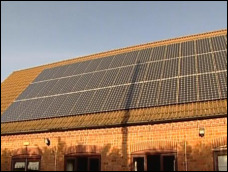 We're half way through the Copenhagen Climate Summit so this week I've been working for The Politics Show navigating the choppy waters where science and politics meet.
From expensive new medicines, the problems of bovine TB and the cancer risk posed by mobile phones I've covered plenty of stories where understanding science is important for politicians. They have to take action based on research. But for the most part they're not scientists themselves.
So how do you take a decision based on science when you don't understand it? How far do you go when you have to take something on trust?
And what about the flip-side? Scientists are certainly not politicians. How frustrating is it to see a complex scientific argument boiled down to a simple question that is easily understood by voters? At what point does simplification become distortion?
The politicians I've spoken to are remarkably pragmatic. When it comes to the science of climate change the green agenda can create jobs and save money. Local councillors likeAnna Mackinson explained green policies mean free electricity for Elmley Castle Village Hall from newly installed solar panels.
And in Birmingham the council say the bright-green "Birmingham Declaration" will attract investment and create jobs.
 But in this highly technical age our political masters are going to be taking more and more decisions based on information they don't understand in depth.
On Sunday after the report we'll be live at Thinktank in Birmingham directly below one of the greatest examples of politicians trusting scientists and letting them get on with the job, the mighty Spitfire. Join me on BBC One at midday.
 I'm David Gregory, BBC Science Correspondent for the West Midlands. My first law states: "Science is the answer." There is no second law. Feel free to drop me a line:

Comments
Sign in or register to comment.