

Recession is usually a body-blow for incumbents
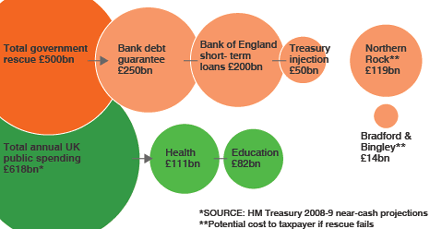
The £500bn Brown-Darling bank bail-out package gets a pretty good press this morning, even from the Wall Street Journal, and the markets are starting to warm to it too.
This morning, most European shares moved ahead with banking shares helping to push up the FTSE 2.8% in early trading.
The Westminster consensus is now that the financial crisis is good for Mr Brown - look at his confident performance at yesterday's PMQs - and that his standing is now rising. Labour optimists even talk of the crisis doing for Mr Brown what the Falklands War did for Mrs Thatcher.
But beware of the consensus (and Labour optimists).
The latest Populus poll in today's Times, admittedly taken before yesterday's bail-out but still very recent, doesn't show much of a Brown bounce, with the Tories on 45%, 15 points ahead of Labour.
Yes, Labour is up three since August, but the Tories are up two since then (sorry, Lib Dems).
This is not to say that the financial crisis won't rebound to Mr Brown's political advantage: just to point out he still has a mountain to climb, especially with the poll showing that 65% percent of voters think that it is time for a change.
As the PM reads this morning's cheery reviews, he should remember that his next challenge will almost certainly be recession, which is usually a body-blow for incumbents (as the Republicans in America are about to find out).
Yesterday's cut in interest rates will do little to avert a slowdown which becomes more marked with every day that passes. 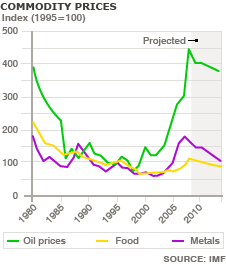 Even the IMF has warned that Britain faces its first recession in two decades and the prognosis for the global economy is grim: overnight, the US Treasury Secretary Henry Paulson warned that some banks will still fail despite his $700bn rescue package and this morning, Iceland's largest bank Kaupthing became the third financial institution to be taken over by the country's government in the past week.
International shipping rates are plummeting - a sure sign that global trade is contracting - and even China is cutting steel production.
We'll have a suitably heavyweight panel to discuss these matters: ex-Tory Chancellor Ken Clarke, government minister Tony McNulty and one of America's most respected economists, Irwin Stelzer - all serious men for serious times.
Let us know what you think in the comments box below.
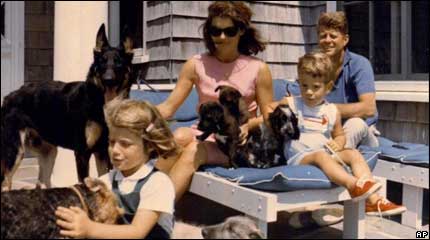
There's also the latest instalment in our feature My Favourite President, where you can see Giles profile JFK with the help of the Dowager Duchess of Devonshire and history professor Kathleen Burk and cast your vote for your preferred Commander-In-Chief.


Comments
Sign in or register to comment.