BBC Internet Blog

Archives for February 2008

Complementary Health

Post categories:

Richard Williams|12:26 UK time, Friday, 29 February 2008

The removal of the complementary health section of the Health area of bbc.co.uk has caused a bit of a stir, resulting in several complaints and accusations flying around that we've bowed to the demands of pressure groups.

lifestyle_tabs.pngIn reality, it's not nearly that exciting. The fact is that we review the content on bbc.co.uk on an ongoing basis, making sure that it's both of a high editorial standard and as up-to-date and complete as possible. We'll often remove elements of the site which we feel do not meet these requirements, and where significant investment would be required to bring it up to scratch.

Some significant chunks of bbc.co.uk have disappeared in the past: we took down about 25% of the History site in November 2006, for example, and the Science & Nature site is half the size it used to be. With so many demands on funding in the BBC, and particularly with so many plans in the pipeline for new products on bbc.co.uk, it's simply not possible for us to continually upgrade all elements of the site.

Obviously, we're sorry if anyone’s disappointed that this part (or indeed any of the other parts) of bbc.co.uk has closed, but be assured that there's no conspiracy. The decision does not reflect any opinion or agenda by the BBC, and it certainly is not in response to any external requests. It was simply our call, made by the editorial team.

To make sure that anyone seeking the old content has access to health information, we have put up a page directing them to other sources of health-related information from the BBC and the NHS. And obviously, we'll continue to cover the issues elsewhere on television, radio and online.

Richard Williams is Creative Director, Vision Multiplatform Productions, BBC Vision

iPlayer Subtitles And Accessibility

Post categories:

Jonathan Hassell|12:16 UK time, Thursday, 28 February 2008

If you're deaf or hard of hearing, subtitles are essential to allow you to fully experience the programme you're watching.

Even if you're not deaf, there are definitely times when you might appreciate subtitles: if you're trying to catch the news from a TV in a noisy pub, or if you're watching that last ten minutes of Doctor Who on BBC iPlayer at an internet café, but have forgotten your headphones.

So we can understand why, alongside the positive feedback we received from the iPlayer launch, some people were disappointed that we couldn't include subtitles at the same time.

The first thing we need to say is: sorry.

We would have loved to include subtitles at Christmas when we first marketed the iPlayer, but unfortunately we weren't ready to do so in December.

So what are we doing to sort this?

My job is Acting Head of Audience Experience & Usability, and I head the team which has been working to ensure access for disabled people to iPlayer, making concrete our commitment to accessibility.

The team has been doing this in two ways:

  • creating online versions of the access services already available on our TV broadcasts
  • and making iPlayer easily navigable for all disabled people.

We've already created solutions for ensuring that iPlayer can deliver BSL (British Sign Language)-signed content. A list of these programmes is currently available from the Accessibility section of the iPlayer online FAQ. And we're currently working on a way of filtering the iPlayer programme catalogue so that users can find BSL content more quickly.

And the team has been working on taking linear and digital TV subtitling technologies and making them work on iPlayer, building on the results of our subtitling trials over the last two years.

colombia_subtitles.jpg

This work was going well until, over the course of the last six months, we discovered that the subtitling solution successfully used in the Interactive Media Player (the trial forerunner of iPlayer) was not capable of reliably providing the subtitles for the more complex and diverse range of programmes provided in iPlayer.

We needed a new more scalable solution.

So we pulled subtitles from the iPlayer beta, to ensure that we did not mislead our users.

Unfortunately, the new solution wasn't ready for December. So we've held subtitles back until we've made sure the solution is fully tested.

Testing is going well. We hope to get subtitles launched for downloads by the the end of March, and for streams by the end of May. We'll let you know on this blog when subtitles are live, so watch this space.

From there, the team will concentrate on creating an online solution for audio description, so that people with vision impairments can get a similar experience on iPlayer as they have on TV: another big challenge.

My apologies again for the delay in providing the subtitling service.

Jonathan Hassell is Acting Head of Audience Experience & Usability.

New Homepage Goes Live

Post categories:

Bronwyn van der Merwe|10:00 UK time, Wednesday, 27 February 2008

Finally, the new homepage has launched! We've been very busy since the beta launched in December. We had an incredible response to our request for feedback on the new design. Thanks to everyone who sent us their thoughts.

homepage_chameleon.png

It took us a while to work through all the comments, both from our feedback form, previous blog posts, and from blog posts across the web. The response was overwhelmingly positive; however, there were also some suggestions for improvements, reports of bugs and the odd insult!

We also engaged in a programme of extensive user and marketing research and testing to assess the site's success both with new audiences and regular users of the site.

Taken all together, this gave us great insight as to where to go next.

When the design team returned after Christmas, we began in earnest making improvements, testing and iterating the design.

From a visual point of view, we reduced the size of the fonts, toned down some of the colours and created a more compact, space-efficient design.

Editorially, you'll see new topics in the "customise your page" panel including Music, iPlayer and Business & Money.

Within some of the old modules, we've improved the offering, for example, we've added "listen again" links to the radio module and national sports feeds to the sports module.

There's also more customisation: users can now choose the colour of the page, or leave it to rotate, picking up the colour of the main feature image.

We feel that running the beta page in tandem with the old homepage has been a great success and we feel that the new homepage is much stronger and more refined, thanks to your input over the last few months.

Our next step is to start rolling out this new visual language across the rest of bbc.co.uk. We'll keep you posted...

Bronwyn van der Merwe is Acting Creative Director, User Experience and Design, BBC Future Media and Technology

Streaming Radio Online

Post categories:

James CridlandJames Cridland|10:09 UK time, Tuesday, 26 February 2008

There's a lot to bear in mind when you broadcast online, as BBC Radio has been doing since 1996.

The thinking behind our streaming has been informed by four factors:

  • reach
  • quality
  • cost
  • and reliability.

iplayer_radio_today.pngWe need to make our programmes and stations reach as many people as we can within the UK, to ensure that everyone - Mac or Linux; Internet Explorer or Firefox - gets great value from the BBC. We need to ensure that the quality of the sound is what you'd expect from the BBC, but also to weigh that up against the cost of streaming at higher bitrates, and the reliability of consistent live streaming. Much of the listening to internet radio is done at work, where it's easier to smuggle in a pair of headphones for the desktop than it is to get a DAB Digital Radio past the receptionist, and where internet connections are frequently under heavy use.

Until now, the BBC has primarily used software from Real Networks as the way of broadcasting our content, both live and on-demand. We chose Real because it uses a multi-platform player and it works well at low bitrates and with choppy connections. While you'll now also find all our stations available in Windows Media Player should you choose, the default choice has been Real. And, apart from small subtle changes in bitrate, we've not changed the technology behind this for a while, as some people have pointed out!

But the world's changing.

Read the rest of this entry

Interesting Stuff 25.02.08

Post categories:

Nick ReynoldsNick Reynolds|12:24 UK time, Monday, 25 February 2008

Digital Democracy: David Wilcox's blog post has some interesting comments and is good background to Pete Clifton's original post. There's also a discussion on the UK and Ireland e-democracy exchange message board.

Broadband, iPlayer and the "Digital Divide": This post from New Tee Vee is a useful summary of some of the discussion over the past few days.

Robin Hamman wants your thoughts on the BBC's use of social bookmarking. James Cridland is helping people with iPlayer via Twitter.

News image

James is also quoted in this Daily Telegraph article about the future of digital radio.

If you're interested in a behind the scenes look at BBC Three's Upstaged, read this.

Nick Reynolds is editor, BBC Internet Blog.

Leaving Comments On BBC Blogs

Post categories:

Jem StoneJem Stone|12:01 UK time, Monday, 25 February 2008

A year ago, I wrote a long post for PM blog users asking for patience with leaving a comment across our network of blogs.

I also, rather optimistically as it turned out, revealed that:

There are technical improvements in the pipeline over the next few months which should make commenting on all blogs quicker and more reliable.

pm_blog_comments.pngClearly, this hasn't come to pass. Apologies. Although thousands of you are still managing to accomplish what should be a relatively simple task and leaving comments across our network of 40 blogs every week and many more are increasingly quoting, linking and referring to BBC bloggers on your own sites or in non-BBC forums, we are fully aware that the user experience for leaving a simple text comment is still less than satisfactory. Timeouts are a regular occurrence, as are unfriendly error messages leading many users to give up.

Paul Canning's blog post is just one of the many pieces of feedback we have received about this issue. I left a comment apologising but thought it worthwhile sharing that with everyone here. So first of all: sorry. This has, for all sorts of reasons, taken far longer than I expected.

Thankfully, I actually have some progress to report. Over the last few weeks, we've trialled a new system for leaving comments (you can see it in action on the PM blog) and feedback from users has been very positive. We are hoping to introduce this across the rest of the network in early April, with a complete change to look and feel and a host of new features following a couple of months later.

I'll keep you updated here with progress. Obviously I'd understand if you took that pledge with a pinch of salt.

Jem Stone is an executive producer in FM&T's social media group

iPlayer Figures and Feedback

Post categories:

Ashley Highfield|16:34 UK time, Thursday, 21 February 2008

Some very interesting pick-up on our announcements yesterday about the 2m+ users of the iPlayer so far, and the strong growth in usage that we've witnessed since the Christmas day launch, seeing us break through the half million programmes mark on one day last week.

The Guardian's Mark Sweney asked whether "BBC iPlayer could be broadband TV's Freeview moment?".

My answer: quite possibly, and let's hope so - but let's give it six months.
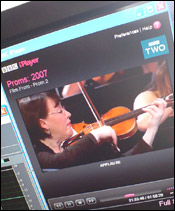
iplayer_proms.jpgIt's true that all on-demand TV services have seen an up-kick off the back of iPlayer, which is great: the real "Freeview over IP" moment will come I believe when, through a range of services such as iPlayer, the upcoming Kangaroo, and a BBC Archive proposition, the UK audience will be able to get practically any programme ever transmitted, on-demand. Lots of work still to be done here, but we've reached the tipping point for broadband TV, I believe.

One of the comments to Mark's blog post answered another question asked by blogger Iain Dale: "why does the BBC intend charging us twice for watching their programmes", referring to BBC Worldwide's deal to offer programmes through iTunes for £1.89.

'Phazer' succinctly answers this question of whether the licence fee payer hasn't already paid (through the licence fee) for a BBC programme offered via iTunes:

No, you paid for the BBC to licence the content for temporary broadcast. If the BBC were to licence it for copies to keep forever, the licence fee would have to be £800 a year. So, just as with BBC DVD's, they're sold, as then a percentage can go to rights holders.

Another interesting post from telco2.net talks about the impact iPlayer might have on the ISP network.

This is an issue that comes up frequently. The fact is that even with the volumes far exceeding our plans, there has been negligible impact on the UK internet infrastructure. This is not to say that we're complacent, or do not take the issues of network capacity seriously; we do.

There may be a win-win for the industry where services like iPlayer drive demand from users for broadband access in the first place, and for higher bandwidth packages, and for (paid-for) quality-of-service guarantees from the ISPs. At a very constructive dinner I hosted recently with the ISPs, mobile network operators, and content providers (02, Virgin, CarePhoneWarehouse, BT, Tiscali, C4 and ITV amongst others), we agreed it was in no-one's interest to see the UK internet struggle.

The post does touch on a further interesting point, that "Despite access unbundling, 'middle mile' costs remain a key bottleneck", i.e. that well before we need a fully fibre end-to-end broadband network in the UK, there will need to be an upgrade to the UK's "back-haul" network.

Put another way, fibre to the home from the box in the street may not be needed for quite some time, and the core fibre backbone across the UK also has plenty of capacity. But the bit in the middle may need upgrading, and more competition may be needed to stimulate building this key part of the distribution chain.

Coincidentally, I was showing Ofcom CEO Ed Richards around a number of our new projects yesterday morning here in White City, and this exact subject came up. Something we've already touched on here and reported on BBC News, but when the industry regulator takes notice, so should we.

He posed the very interesting idea of the government encouraging using other infrastructure, such as sewers, to lay fibre optics down to create this new capacity in this "middle mile" business (the existing telco cable ducts being apparently totally full), and sent me a couple of links to companies operating in this space, including this article in yesterday's Independent. The business community has responded favourably.

As usual, I'd be interested in your thoughts.

Ashley Highfield is Divisional Director, BBC Future Media & Technology. Image by Jon Jacob.

The Blue Room

Post categories:

Roland Allen|17:04 UK time, Tuesday, 19 February 2008

As a technologist, I know only too well just how hard it is for me and my colleagues to stay current with developments, especially the consumer market place.

Copious amounts of reading, web browsing, attending industry events, chewing the cud with colleagues and (very importantly) regularly visiting high street outlets to view the reality on the ground all help to maintain the knowledge base, but even then you are often taken unawares by some new gadget or trend.

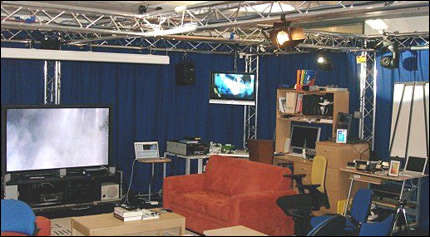
Imagine, then, that as an organisation you are tasked with "help[ing to] build digital Britain" and that a sizeable portion of your workforce is as overwhelmed and baffled by the rapid changes in consumer technology and the implications for the BBC? This is where the Blue Room comes into its own.

The Blue Room

The Blue Room was set up about four years ago by Huw Williams (previously Head of BBC Research and Innovation) to investigate the impact of the rapidly changing consumer marketplace in the context of potential new platforms for BBC output and the changing nature of consumer behaviour. The facility has developed into a showcase of "must know" items, largely as a result of the talent and expertise of its resident expert: Trevor Robinson, the BBC's External Context Advisor. We are not alone in this, of course; several other companies have established their own "Media Labs" along similar lines.

blueroombanner.jpg

Our mission is to reach as many BBC staff as possible via a series of two-hour sessions: typically, we take a group of about ten staff around the various exhibits, explaining their importance and relevance to our activities and then inviting them to get to grips with the gadgets and devices to see for themselves what they do and how.

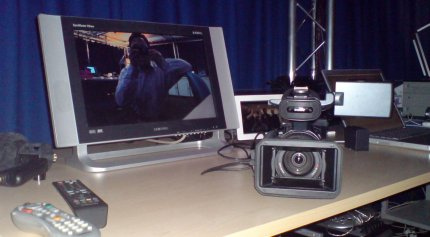
It is gratifying to see colleagues who arrive in some trepidation at the thought of touching or breaking some gadget actually getting to grips with a shiny box and discovering what it is all about. Let's face it: most of us don't have the time or the money to indulge the range of technologies on display which range from set-top boxes, MP3 players, HDTVs and players to robotic toys which interact with TV programmes.

blueroomcamera.jpg

A wider aim is to support satellite facilities at BBC regional locations, an example of which is at BBC Belfast next month where they are running a technology event. This involves us taking the Blue Room "on the road" and in this context we also hope to contribute to events with a public-facing element where resources allow.

I hope to be able to share some thoughts on consumer items which interest us in future posts...

Roland Allen is Head of Technology Liaison, BBC Future Media & Technology

Pic Of The Day: Digital Democracy

Post categories:

Alan Connor|12:45 UK time, Tuesday, 19 February 2008

Earlier in February, Pete Clifton blogged here about the BBC's Digital Democracy project and mentioned the pioneering work of web services like mySociety's They Work For You.

John O'Donovan, Tom Steinberg and Jem Stone
John O'Donovan (Principal Technical Architect, FM&T Journalism); Tom Steinberg (Director, mySociety); Jem Stone (BBC Social Media Group)

Today's Pic Of The Day is of yesterday's afternoon-long brainstorm with Tom Steinberg and Francis Irving of mySociety, asking what the BBC could learn from their various civicwebsites and services and what unique ingredients the Beeb can bring to complement the work done by charities and volunteers.

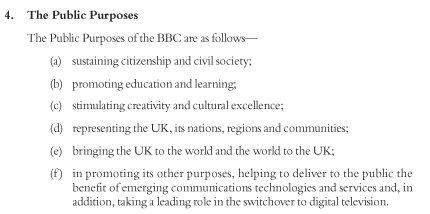
If you have any thoughts about how the BBC can fulfill its democratic public purposes as defined by the Royal Charter[pdf], please do leave a comment at Pete's post.

The Public Purposes of the BBC are as follows-- (a) sustaining citizenship and civil society; (b) promoting education and learning; (c) stimulating creativity and cultural excellence; (d) representing the UK, its nations, regions and communities; (e) bringing the UK to the world and the world to the UK; (f) in promoting its other purposes, helping to deliver to the public the benefit of emerging communications technologies and services and, in addition, taking a leading role in the switchover to digital television.

Alan Connor is co-editor, BBC Internet Blog.

Ubuntu Installfest

Post categories:

George WrightGeorge Wright|10:51 UK time, Tuesday, 19 February 2008

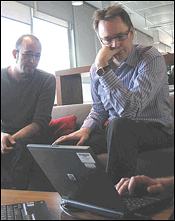
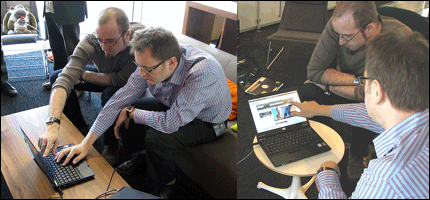
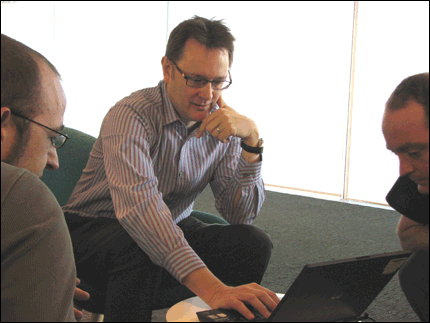
ashley_installfest03.pngYesterday [as briefly mentioned in a Pic Of The Day], Jono Bacon (Community Manager of Ubuntu GNU/Linux) came to the BBC to meet with Ashley Highfield, the Director of Future Media and Technology for the BBC (and my boss).

We talked about a number of things to do with GNU/Linux, Ubuntu, its parent company (Canonical), its peers (ie, other distros), free/open source software and building communities. Ashley also reminisced on the time (presumably as a very small child) when he used to programme a PDP-11 in assembly language.

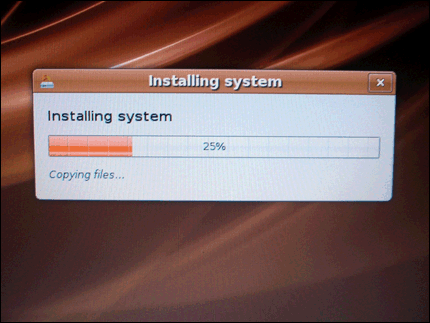
Unix and Unix-alike systems have changed since then, and Ashley was keen to see how, so whilst we were chatting, we had a mini-installfest. We put Ubuntu Gutsy (7.10) on a spare laptop that I had in my office. The install was as painless as I'd imagined - and for anyone with a modern distro, relatively sane hardware and a bit of luck, it can be straightforward. We then moved onto the interesting stuff - setting up the system, showing off the features, pointing out the quirks - and filing bugs - easy when you have someone from the distro next to you :) - etc.

We chose Ubuntu for this demo and installfest because it's current, popular, easy to install, and free. These attributes apply to many other GNU/Linux distributions - Ubuntu was just one of our options.

ashley_installfest02.png

We'll be coming back to Ashley in a week to see how he got on with it at home. This was a useful and interesting hour-or-so for a few reasons. Ashley's going to see some of the benefits and disadvantages to Linux - we haven't held his hand with this, just installed Ubuntu and let him get on with it. It'll also hopefully spark a few questions for him, and us, about how we work with this - and other free OSs - going forward.

We hope to announce some interesting projects over the next few months, e.g. the P2P Next project I posted about previously. More on this later...

George Wright is Executive Producer, Rapid Development Unit, BBC Future Media & Technology. There are more pictures of the installfest here and here.

P2P Next

Post categories:

George WrightGeorge Wright|10:00 UK time, Tuesday, 19 February 2008

Hi everyone. This is my first post for the Internet Blog. I run a new team (RAD) doing rapid development in the BBC's Future Media department, within the Research & Innovation section.

One of our first projects is something I'm really excited about: it's called P2P Next.

tribler_logos.pngIt's a Europe-wide consortium of 21 partners spanning broadcasters, technical universities, content and metadata specialists and hardware vendors. We are building a new, cross-platform, Free/Open Source software-based, legal, peer-to-peer system. It's based on a core technology called Tribler which has been worked on at Delft University of Technology for a few years. The programming language behind Tribler is Python - which was chosen for its portability, cross-platform nature, and speed of development.

Last summer, I and the other members of the P2P Next team successfully pitched for European Union funding as part of the 7th Framework project, which is designed to encourage Europe-wide cooperation and technical excellence. We have funding for the next four years to deliver a number of enhancements to Tribler, covering live P2P streaming, an improved user interface, inbuilt friend/taste recommendations and much more.

We're aiming to build Mac, Windows and GNU/Linux clients, as well as a dedicated hardware Set Top Box client, to allow us to deliver the core technical goals: an open standards-based “next-generation” internet television distribution system, using P2P and social interaction.

It’s early days for this project. Funding, and the work itself, only started on January 1st, but already we've seen the plans take shape. This isn't yet a project that TV viewers will see and it's never going to replace the BBC's consumer offerings (e.g. iPlayer); it's a test bed for new ideas, allowing us to collaborate with colleagues across Europe, and to hone and develop technology which could help shape the TV of tomorrow.

I'll be keeping this blog updated with news on P2P Next as it progresses.

George Wright is Executive Producer, Rapid Development Unit, BBC Future Media & Technology

Pic Of The Day: Ubuntu Installfest

Post categories:

Alan Connor|11:34 UK time, Monday, 18 February 2008

Update 2008-02-19: George Wright has blogged about the installfest here.
Update 2008-02-21: Jono Bacon has also blogged an account of the meeting here.

Today's Pic is of our director, Ashley Highfield, starting the week with an Ubuntuinstallfest.

ashley_highfield_ubuntu.png

Ubuntu is an open-source operating system which aims for ease of use. The BBC's George Wright[right] and Ubuntu Community Manager Jono Bacon[left] offered to install the OS on a laptop for Ashley to take home and experiment with. We're hoping that both George and Ashley will be posting about the experience (Update 19/02 - George has now posted here).

080218ubuntu07.png

There are more pictures here and here.

Alan Connor is co-editor, BBC Internet Blog

How Do You Do It?

Post categories:

Nick ReynoldsNick Reynolds|13:51 UK time, Friday, 15 February 2008

If you want people to trust you, you have to be as open as you can.

So in that spirit Jem Stone, my executive producer has asked me to write this post explaining how I approach my job.

“Editor, Internet Blog” is shorthand. “The man who persuades important people in BBC Future Media and Technology to write blog posts” is more accurate but a bit of a mouthful.

But as well as persuading people to write, Alan Connor and I do the actual work of putting what they write into the blogging software, checking it, sometimes adding extra links and photos, and then pushing the button to publish. In the long run I want the contributors to the blog to draft their posts in the software rather than sending them to us on emails. Ashley Highfield has already agreed to do this.

Senior BBC executives are busy people. Asking them to put aside time to blog as well as everything else they do is sometimes tricky. It would have been easy for Ashley to say “this blog is a really good idea, but I’m far too busy to do it myself”. Instead he has now written 18 blog posts in three months, which speaks for itself.

At which point I hear a sceptical blogger somewhere saying “does Ashley really write all his blog posts?”. Yes he does. Sometimes I suggest an edit (and he sometimes gets annoyed with me when I do!), but everything you see in his name on the blog is written by him personally, not by anyone else.

But I should mention, in the spirit of openness, Paul Almond who is Head of Communications in FM&T. We have recently added Paul as a user to the blog so that he can read entries before they are published (particularly Ashley’s). Since this blog is read by the press and media it’s a good idea for Paul to be aware of what's going on and he does sometimes suggest the odd edit. From the start Paul has been an enthusiastic advocate for the blog, in his words he wants to “put it at the heart of everything we do”.

I can hear that sceptical blogger again “why are communications people editing blog posts? Blogs should be about personal expression, not corporate messages!”

Well, for me “blogging” is just a very simple form of publishing content on the internet. You can use it to do anything you like. So the Internet Blog is a mixture of things:

Stuff we want you to know about (call it marketing BBC products and services if you want).

Stuff you want to know about. For example as a result of the comments on Richard Titus’ post about the beta home page I asked James Price to write a post about the promo box. You might call this customer relations or even accountability, particularly when BBC people explain and justify decisions they make.

Conversations. BBC people asking you what you think the BBC should be doing (should this be called research?).

Stuff which is just fun, interesting or gives a flavour of what’s going on around here, just publishing content.

Put these four things together and what are we doing? Shall we call it “blogging”?.

I think marketing and public relations are being shaken up by these new media tools just as much as publishing and content creation (PR person Steve Rubell is one of my favourite bloggers). The traditional suspicion that exists between content creators, journalists, bloggers and marketeers is pointless. In fact they are a network, even a community of people who rely on each other and increasingly use the same tools and techniques.

Read the rest of this entry

Pic Of The Day: iPlayer Router

Post categories:

Nick ReynoldsNick Reynolds|13:38 UK time, Wednesday, 13 February 2008

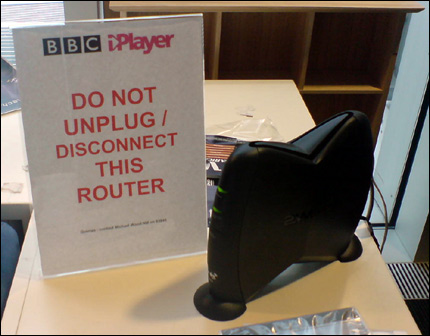
Wandering around the fourth floor of the Broadcast Centre a few days ago I saw this:

iplayer_router.jpg

I've been assured that if the router is unplugged the entire iPlayer (which seems to be doing quite well) does not crash.

Nick Reynolds is editor, BBC Internet Blog

BBC Three's New Website

Post categories:

Simon Nelson|10:17 UK time, Tuesday, 12 February 2008

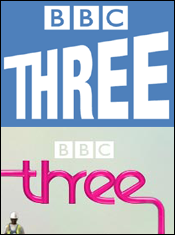
bbcthree logos old and newI'm writing this from Barcelona at the Mobile World Congress, one of thousands of delegates trying to find the way to unlock the incredible opportunity that mobile technologies can offer. For the BBC mobile represents a chance to make our content and services discoverable and accessible on the move and at levels of convenience that our audiences have never experienced before. There are also untapped creative opportunities to use the personal and intimate nature of the medium to try out new ways of delivering content and of using the social, participative and location aware abilities of the devices to experiment with new forms of media.

For some reason though, in BBC Vision, we haven't yet made the progress with mobile that we should do. It's hard to break through the jargon that plagues every session and stand at the MWC to identify the partners and talent that will help us make these kinds of services a reality. Watch this space, though - because we will be doing some interesting stuff later this year in mobile.

However, on the web, today sees the doors open for BBC Three's new website, a key part of the new multiplatform vision for the channel. From this evening, viewers will see the new world that the Vision team has created for the on-air presence too, complete with a fantastic programme line-up. I won't be able to get the simulcasting, being outside the UK but thanks to the progress we've made with iPlayer over the past few months, I will be able to catch up on all the programmes I miss while I'm away.

Read the rest of this entry

Digital Democracy

Post categories:

Pete CliftonPete Clifton|16:35 UK time, Monday, 11 February 2008

It's a while since I've appeared in this kind of place, and I now have a different job with an unimaginably long title requiring a six inch business card.

I'm tasked with overseeing all the multi-media developments we have planned in Journalism at the BBC across the next five years - and that includes News, Sport, Weather, the Nations & Regions and Global News. All the plans are designed to make our excellent content more easily available on any platform, whenever and wherever the audience wants it. It promises to be quite a ride, and maybe I'll pop back from time to time to give you an update on what we are up to.

Anyhow, within this rather wide remit, other projects emerge that need me to get involved. One of these is "digital democracy", which some of you may have read about in Mark Thompson's speech a couple of weeks ago. It was a good read and the section most relevant to digital democracy began:

We want to take our coverage of Westminster, the Scottish Parliament, the Welsh Assembly, the Northern Ireland Assembly, the European Parliament, as well as local councils up and down the land and turn them into the most engaging, the most creative multimedia portal for democracy in the world, using BBC Parliament and our other television, networks, radio, the web and mobile.

political__blogs.jpgI'm now working through the detail of what that could mean in reality: what it might look like; how could it be really useful for the audience and what we could start doing by when. And having the Director General talking about it so passionately gives it all a certain focus...

Some things are very clear. If you look around bbc.co.uk, there is already a lot of coverage of our democratic institutions. On the News site, BBC Parliament, around the UK and many, many more places besides. There are high quality correspondents offering real insight like the unstoppable Nick Robinson and Betsan Powys, a multitude of debates and no doubt more guides than you could shake a stick at.

mySociety logoAnd when you look outside the BBC, there is also a lot happening. Some of the institutions themselves are showing real ambition and projects like Tom Steinberg's mySociety have innovative ways to engage the public in more relevant ways to the democractic process.

The BBC's public purpose around informed citizenship means it must play a vital role in this area. We already offer more day-to-day coverage of our institutions than anybody else, but a dynamic portal that brings together the best of what we have in audio, video and text, the best that others are doing, something that is easy to find, searchable, personalisable and sharable, feels like a fantastic goal.

And now the thinking has begun, I'm also eager to hear what the audience thinks about all this, and what they would like most from the digital democracy project. I await your thoughts with much anticipation.

MyCBBC

Post categories:

Richard Deverell|10:34 UK time, Friday, 8 February 2008

So is the BBC really launching a "Facebook for under 12s" as was claimed by some of the papers last week?

Well, the short answer is, no. MyCBBC is not a social networking site.

cbbc_logo.pngHowever, what we are planning to launch is a service which will enable children to create a personalised space on the CBBC site. The idea behind the site is two-fold: to enable children to customise and collate the content that the BBC and others offer them, and then to use this content to allow children to express themselves and interact with others in an entirely safe way.

These pages will take the form of a child's den in which they can aggregate their favourite content from BBC sites and from approved external websites. They can choose posters, furniture and gadgets to personalise their den. Each gadget will provide a useful function: the PC stores their favourite website links; the plasma screen plays video clips; the calendar gives the dates and times of favourite shows and their own personal dates such as family and friends' birthdays.

There is also a "treasure chest" in which they can store any content they have created on the CBBC site - for example, a link to their Roar park or latest message board conversations. And Newsround feeds, based on topics such as sport or current affairs, are given an engaging wrapper using the metaphor of virtual magazines.

Children can further personalise their dens by displaying their interests and hobbies by selecting the relevant "stickers" from a pre-determined list of symbols. They can design virtual versions of themselves - avatars - with different looks and clothes. They can also choose from a range of moods each day, represented by a weather system around the avatar's head.

My CBBC is designed from the ground up with online safety as the highest priority. Interaction with other users is entirely confined to pre-defined messaging and the exchange of virtual assets such as links to safe sites. There are no opportunities for a malevolent person to make direct contact with children. Nevertheless, because we have designed the site to introduce some of the basic concepts commonly associated with web 2.0-type interaction, we'll take every opportunity to reinforce the message that whilst exciting, the internet can also be a dangerous place if the Stay Safe rules are ignored. This is one of the many ways in which the site will help children to build useful media literacy skills.

Read the rest of this entry

iPlayer Choices

Post categories:

Mark ThompsonMark Thompson|13:31 UK time, Thursday, 7 February 2008

damages.gifI've had quite a few letters and emails over the last year or so about the BBC iPlayer. Much of it has been very positive - since the Christmas Day launch, many people have let us know just how handy the service can be. A viewer from Scotland wrote to tell me that she had missed an episode of Damages on BBC ONE and forgotten to set the video. Happily, we were able to help... she wrote: "I am a technophobe, but still managed to google BBC iPlayer... and there it was".

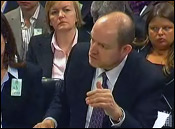
Others, however, have asked very pointed questions on the question of platform neutrality. It came up at the Public Accounts Committee I recently attended, and I have (quite properly) taken quite a grilling from MPs representing the views of constituents deeply concerned that on launch, BBC iPlayer focused on a Windows-based solution.

public_accounts_ctte.jpgI've just responded to a letter on exactly these lines. My reply gave me an opportunity to explain the BBC's position - why we made the decisions we did, where we are now, and what our plans are for the future. I thought it worth posting the substance of that reply here, in blog format - not least because it includes what I hope is good news for Mac and Firefox users in particular.

The first thing to say is that - contrary to what some believe - the BBC actually works hard to provide internet services on a "platform agnostic" basis. The BBC iPlayer has made programmes available to Mac users and users of other operating systems via streaming since December 2007 - a move which I'm told has gone down very well indeed. However, the issue of download of programmes to Mac and other platforms has always been a more complex issue for technical and rights reasons. Our response to those challenges has been the subject of much debate and conjecture and I'd like to do what I can to clear this up here.

Read the rest of this entry

I Love Digital Radio

Post categories:

Ashley Highfield|09:55 UK time, Wednesday, 6 February 2008

Radio Wireless RadiogramSunday night, sitting at my computer in my study listening to the radio, or rather, IP (Internet Protocol) music from last.fm through my computer's speakers. It got me thinking about digital radio in general. It's been a mixed couple of weeks for digital radio - or DAB, to be precise: the delivery of radio via the traditional means, airwaves and aerials, but digitally encoded.

On the one hand, the Germans announced a review of their support for DAB, and the UK commercial players are likewise voicing concerns about the technology.

On the other hand, Natalie Schwarz (Chairman of 4Digital Radio) has written a rallying call in the Guardian "Why we must stick with digital Radio" and an email from our director of radio Jenny Abramsky last week spoke of the successes of our digital radio in general (now accounting for 10% of all radio listening in the UK) and of the BBC's digital portfolio in particular, with 6Music and BBC 7 putting on many thousands of new listeners in the last quarter.

The BBC faces some tough decisions in the coming years about how much money we put into different distribution technologies. I receive Radio 1 into my house via FM, IP, DAB, DTT, 3G, Digital Satellite, and if you include the fabulous Live Lounge, on CD. Are all these sustainable?

live_lounge.png

There are some, Microsoft's Steve Ballmer among the most famous, who think that everything will tend towards IP - delivery over the internet. Perhaps surprisingly, I disagree.

Read the rest of this entry

Pic Of The Day: Walkman Nostalgia

Post categories:

Nick ReynoldsNick Reynolds|12:12 UK time, Tuesday, 5 February 2008

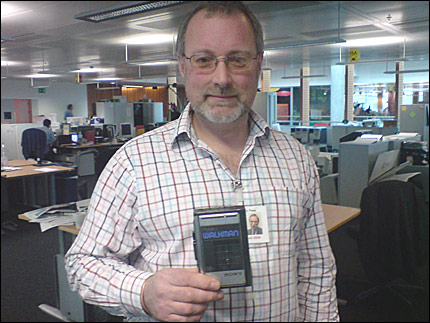
The gentleman in the picture is Roland Allen. Roland is one of those people who makes the BBC a pleasure to work in. His job title is Head of Technology Liaison, which means that he spends a lot of time educating people across the BBC about technology and kit.

roland allen

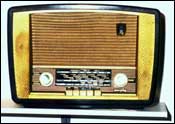
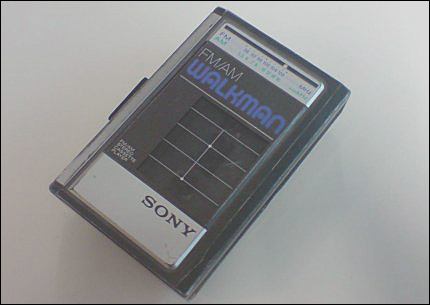
He is holding up a Sony Walkman he found which is (gasp!) twenty five years old.

walkman_radio.jpg

From Walkman to iPod in twenty five years. The functions are the same, but podcasting is already changing the way people listen to BBC programmes.

blue_room_logo.png

Roland is in charge of The Blue Room, based in the Broadcast Centre and full of shiny kit of all eras. But he and his team are also going to be roaming across the UK in the next few months spreading the word.

And we hope he will have the time to share some of that on this blog.

Nick Reynolds is Editor, BBC Internet Blog.

Pic Of The Day: The DMI

Post categories:

Alan Connor|16:22 UK time, Monday, 4 February 2008

FM&T will help to transform the way the BBC produces content through the Digital Media Initiative and by phasing out the need for tape.

--from BBC Press Office

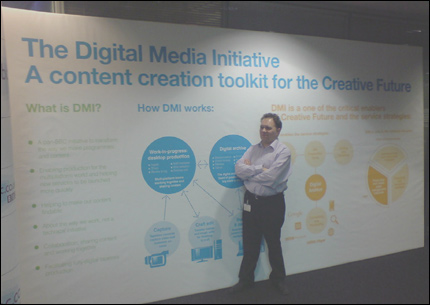
Today's Pic Of The Day is of a big BBC initiative: so big, in fact, that we've included Nick Reynolds in the pic to give a sense of scale of the large poster that overlooks our workspace.

digital_media_initiative_po.jpg

It's the Digital Media Initiative and it will inform almost everything we're going to be covering on the BBC Internet Blog.

The BBC's Chief Information Officer, Keith Little, explains more in a recent piece in the FT:

Born out of a proof-of-concept project, "One Vision", at the Natural History Unit in Bristol, the aim is to digitise every aspect of the creative process, cutting the 70 or so individual processes which go into making a typical programme by 50 per cent and giving unprecedented access to the storehouse of content not only to staff but to the public.

If this wets your whistle, there's much more detail in a post called Your chance to inform the Digital Media Initiative at the Backstage Blog.

Alan Connor is co-editor, BBC Internet Blog

How To Say: "Web 2.0"?

Post categories:

Catherine Sangster|13:26 UK time, Friday, 1 February 2008

In general, the Pronunciation Unit concerns itself with names and places in foreign languages, but sometimes we are asked to research and recommend a pronunciation for something in English involving numbers.

These are often aircraft or weapons (Hawker P1081, Hercules C130, a .357 Magnum), and we are able to consult the manufacturers directly for the usual expert pronunciation. Most recently, we asked Boeing how their new 777 plane is referred to - the answer is "triple seven", which surprised some people, given the usual "seven forty-seven" pattern.

This sort of question might seem trivial. But imagine how unconvincing a character in, say, a BBC drama who is supposed to be a hitman referring to a "point three hundred and fifty seven" gun would sound. In all our research we try to come up with a single pronunciation which is acceptable and widely used in British English, so that BBC broadcasters can have an accurate and consistent recommendation, although in many cases more than one pronunciation is possible and acceptable. These recommendations are added to an in-house pronunciation database which all BBC staff can consult.

bbc2dot0.pngIn this spirit, yesterday we were asked to make a recommendation for the phrase "web 2.0".
There seem to be many possible ways of saying this - "two point oh", "two point zero", "two dot oh", two point nought", "two oh", "web two" - with a certain amount of variation according to nationality, company loyalties and other factors. Given the nature of the concept, we can't make the usual enquiries of the manufacturer to settle things. In this sort of case, our usual practice is to consult people who might through their own expertise be in a position to give us an informed opinion.

To this end, then, we set up a quick-and-dirty email button poll of all the staff in the BBC Future Media and Technology division, asking them to take a few seconds to tell us (if they felt equipped to do so) which pronunciation they usually heard or used themselves.

Results are still rolling in, but after a day and across a sample of >500 respondents, three-quarters have voted for "two point oh". In second place is "two point zero" (14%), followed by "two point nought" (

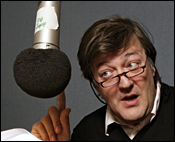
Stephen Fry. BBC RADIO 4 21.12.05 Book of the Week: Lost Worlds. Stephen Fry reads from Michael Bywater's compendium of things that have been lost.Stephen Fry has suggested that Tim Berners-Lee's preference of "two dot oh" ought to lead the way, but this is not the most widely-used version (nor even in the top three, at least in our internal poll) so it would seem a perverse choice.

We also understand that "two point oh" is the way that Tim O'Reilly, credited with coining the term, says it.

We've heard various arguments for the rightness or wrongness of one version or another ("you have to say 'zero' because 'oh' is the name of a letter only"; "just say two oh because the decimal point is irrelevant as there'll never be a minor release"), but these don't really persuade in the face of most people's usage. We're also encouraged that other polls seem to show broadly similar results to ours (in this one, "two point oh" also came out on top, with 62%).

With all this in mind, we will probably recommend "two point oh" as the most usual pronunciation. But I'd be interested in your views. How do you say it?

Catherine Sangster, BBC Pronunciation Unit.

Pic Of The Day: Surround Video

Post categories:

Nick ReynoldsNick Reynolds|09:40 UK time, Friday, 1 February 2008

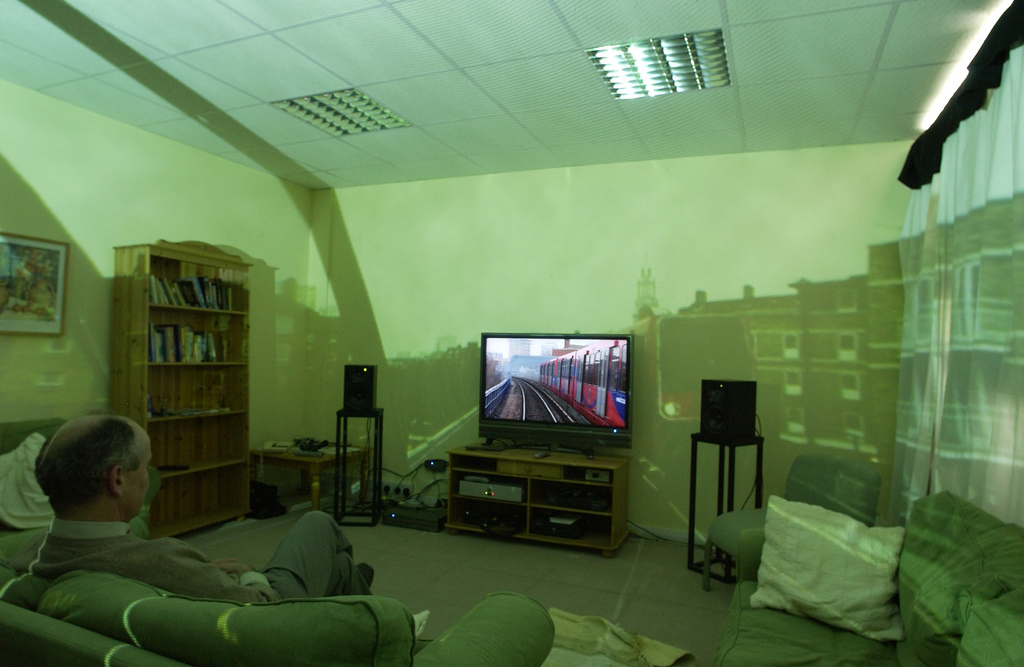
Below is a picture of Surround Video, an idea being developed by technologists at BBC Research & Innovation.

Surround video

Graham Thomas of BBC R&I kindly sent me this explanation:

Surround Video is a means of visually immersing the viewer into a TV programme.

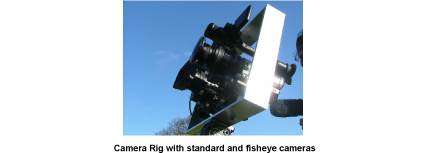
It is like surround sound, an optional extra that enhances viewing on a normal display. The idea is to use a wide angle (or fisheye) camera fixed rigidly alongside the normal camera shooting the programme, and to project the image onto the walls, ceiling and floor of the viewer's room.

The image is scaled and positioned to ensure that it aligns up with the existing TV, and warped to compensate for the distortion effects that come from the wide-angle lens and projection system. Although the projected image will be dimmer and of lower resolution than the main image, it nevertheless gives a strong feeling of immersion, particularly with motion cues being visible in the viewer's peripheral vision.

The effect is enhanced if the walls are light-coloured and relatively uncluttered, but it still works even if there are bookshelves and pictures. Currently, the system is just a research prototype, but it shows one way that TV viewing could develop in the future.

Thanks to Sarah Mines for the picture.

Surround video is mentioned in this recent article about the work of BBC R&I from The Independent. There's also more information in this PDF from the BBC Technology Festival.

surround_video_camera.png


Nick Reynolds is editor, BBC Internet Blog.

More from this blog...

BBC © 2014The BBC is not responsible for the content of external sites. Read more.

This page is best viewed in an up-to-date web browser with style sheets (CSS) enabled. While you will be able to view the content of this page in your current browser, you will not be able to get the full visual experience. Please consider upgrading your browser software or enabling style sheets (CSS) if you are able to do so.