NARRATOR
Hello everyone! Have you had any bites yet?
SOPHIE
Nope!
ROBIN
Not me!
PETE
Nothing yet…
LARA
I think - I think I’ve got something!
SOPHIE
What is it!
ROBIN
Lemme see!
LARA
Look, it’s a -
PETE
Starfish!
ROBIN
Wow!
LARA
Starfish are so cool! Did you–
PETE
Did you know they don’t have any brains?!
SOPHIE
That’s mad!
LARA
And–
PETE
Did you know they can grow new arms if one of them falls off?
ROBIN
What!
SOPHIE
No way!
LARA
Did–
PETE
And they can–
NARRATOR
Hang on a minute Pete, it looks like Lara might have been trying to say something…
You see, a conversation is a little bit like a game of ping pong, it goes backwards and forwards. You should look at the people you’re talking to and see how they’re behaving because they might want to join in! Lara, why don’t you tell us what you were going to say?
LARA
Actually, I was wondering if you knew that starfish have two stomachs?
PETE
I didn’t know that Lara, what a great fact! I’m sorry I didn’t notice you were trying to talk. I just get so excited about sea creatures!
LARA
That’s okay Pete, I love starfish too! Though we should probably get this one back to its home now…
NARRATOR
When you’re having a conversation it’s always important to stop talking and give the other person a chance to speak too. That way, you show that you’re interested in what they have to say! Who knows, you might even learn something you didn’t know!
Conversation starter
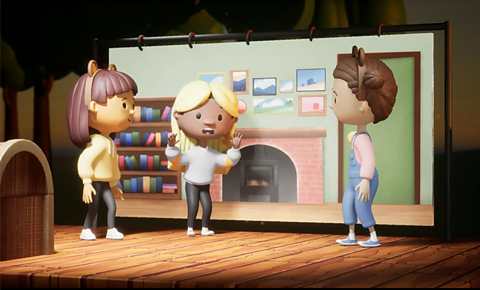
Four kids are fishing from a boat. Suddenly they catch something special and put it into a fish tank.
They have a conversation about their special catch, but it really isn’t a conversation. It's just Pete doing all the talking as the others listen.
Lara tries to say something about the special creature they have caught, but Pete just keeps talking and talking. He doesn’t even notice that Lara wants to speak.
Why didn’t he notice? Is it possible that he got a bit overexcited, or maybe he was showing off? Maybe he wasn’t looking at Lara.
Has this ever happened to you? Have you ever been so excited about something that you just keep talking and talking and don’t stop to let anyone else speak?
Take your turn
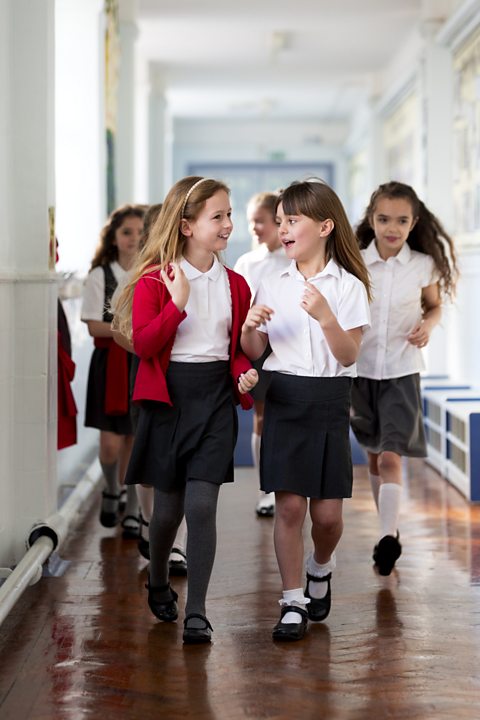
A conversation is when we take turns to talk. When we do this, everyone who wants to speak can do so. It’s a bit like a game of ping-pong or tennis. The conversation goes from one person to the other.
When you have more than two people in a conversation, then it bounces around the group so that everyone has a chance to speak or reply.
Some people are a little bit shy and don’t like to speak out in a group. If you know someone like this, you should ask them if they want to say something. Their ideas could be very important and really good for the group to hear.
Maybe you are a bit like Pete and you like to talk a lot. If so, just remember that other people may have some interesting things to share that you didn’t know about. By listening to others, we can learn too!
Listen
To have a good conversation, you also need to listen to the other speaker. This means you can answer a question or reply to what has been said.
Sometimes you might not agree with what the other person has to say. That is fine. You can reply by telling the person politely that you don’t agree with them and then give your own opinion.
Sometimes you might not understand what the other person is talking about. If you don’t understand, you can ask them to explain things a little bit more.

Look
When you have a conversation, try to look at the person who is speaking. When you do, this means you can see their reaction and they can see that you are interested in what they are saying.
For example, if the person is telling you good news you will see that their face is happy. If they are telling you bad news, their face will be sad. Our facial expressions send out messages about how we feel.
If you are the person speaking, try to look at the faces of the others in your group. If you do that, you will know if another person wants to join in. The other person might just nod as you speak, or maybe even smile or chuckle. This helps you to check if they are following your conversation and if they have understood what you are saying.
Body language
As you get older, you will understand that people use body language during conversations. For example, if you are speaking and a person is gazing into the distance, it means they might be bored or not interested. In time, we learn to read people’s body language.
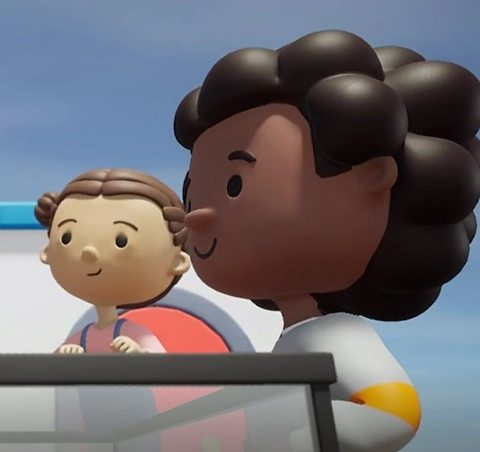
When you watch the kids in the video having a conversation, look at Lara’s face as Pete talks and talks. Does she look happy or sad? Then look at Lara’s face when she has a chance to join in the conversation. She looks very happy indeed, and the other three kids are all looking at her as she talks.
Think about which character is more like you. Is it chatterbox Pete, or shy Lara? Remember, it’s not always the person who talks a lot who is the cleverest. People who are quiet still have lots to say.
Use what you have learned to practice having good conversations with your friends.
More on Talking and listening
Find out more by working through a topic
- count6 of 11
- count7 of 11
- count8 of 11