What is an urban habitat?

Our world is covered in a huge variety of different types of habitats and each one has its own unique features.
All animals need the same important things to survive: water, air, shelter and food.
Animals don’t choose their habitat because they are suited to it. Their adaptations (the features that make them suited to their environment) happened randomly. If these adaptations help an animal to survive then they are passed on to its offspring. This is called evolution.
Let's find out more about urban habitats.
Watch: What lives in an urban habitat?
Anna: This is a city, it's what we call an urban habitat. A habitat is where plants and animals live. They all need food, water and shelter to survive.
Urban habitats differ from many other habitats. They’re human made with lots of buildings and roads. Urban habitats can be anywhere a lot of people live. They can be in cold and wet environments like Reykjavik in Iceland, or warm and dry environments like Cairo in Egypt.
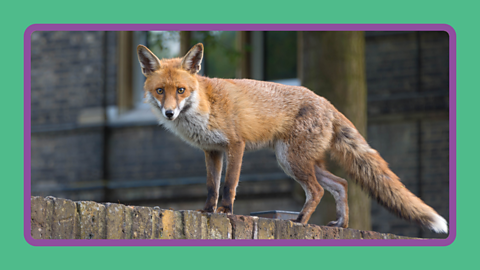
Back to the UK, an animal such as foxes can thrive in urban areas because they've adapted to their surroundings.
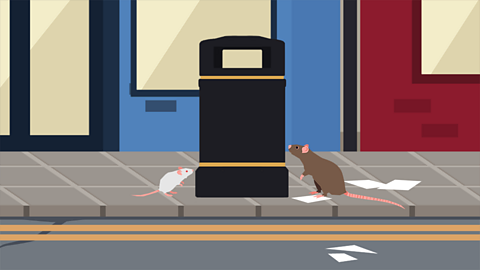
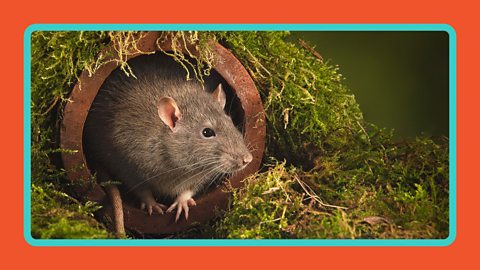
There are also sewers underground where some animals - like rats - find food, shelter and warmth. If you walk along the pavement in your town, you can usually see lots of different plants and animals.
You might see thistles or buttercups. You may see crows and ladybirds. Plants and wildlife are all around us. Parks are also part of urban habitats, where there are trees, bushes and other plants.
Today, we're exploring an urban habitat close to where we live. What can we find? We haven't needed to look too far. We've already seen a squirrel they live in trees and eat seeds. We've seen a magpie and some pigeons too.
And we're drawing what we've seen. Oh, that's a great picture!
You can make a poster of all the animals and plants you find in your urban habitat.
Explore an urban habitat and the animals that live there.
Have you ever wondered what plants and animals live in urban habitats?
Well, keep your eyes peeled, we're off to find them!
Wow. There are lots of buildings and roads here.
But there are parks and gardens where plants can grow.
Like this dandelion. Dandelions make nectar that the bees use for food.
Like this one! Dandelions also make pollen that helps other dandelions to seed.
There are also animals in the city, like this fox.
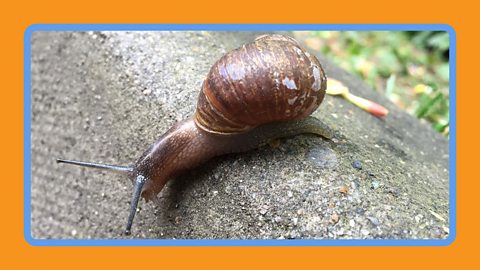
It survives by eating not only slugs, spiders and worms, but also the food from our bins. Ooh yuk!
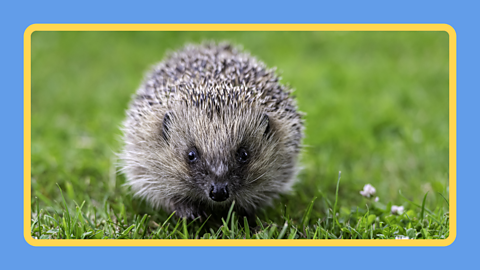
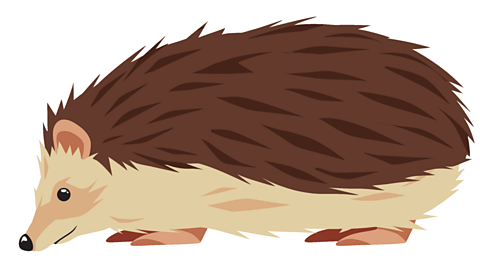
A hedgehog can curl itself into a spiky ball to protect itself from foxes.
This keeps it safe and stops the fox eating it.
Look at this bird, it's a pigeon!
It lives under bridges and on top of buildings. So it's right at home here.
So urban habitats are busy and noisy, but still full of life.
Oh, I need a lie down.
Where are urban habitats?
Urban habitats are made up lots of different environments.
An urban habitat can be found in towns and cities.
Busy cities have high rise buildings like offices and blocks of flats and lots of busy roads. Some towns have lots of houses rather than blocks of flats which means there might be gardens or parks where creatures can live.
The plants and animals that live in urban habitats are adapted to live in busy, noisy conditions where there are lots of people and not as many open green spaces. Animals that live here need to find places to find places, where they won't be disturbed, and that provide shelter, food and water.
They still have to share these spaces with people though!

Did you know?
Urban areas cover about 10% of the land in the United Kingdom, but about 84% of the people in the UK live in them.
That means there are lots of houses, shops, offices, schools and other buildings as well as roads and less green space such as open fields and woodlands.
What are urban habitats like?
Urban habitats are often very busy places during the day and sometimes into the early evening because people are moving about and going to work and school.
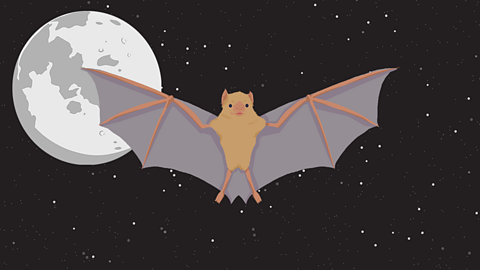
However, once night falls they become less busy and much quieter.
Some animals are adapted to living among the hustle and bustle while nocturnal animals move about at night when people are asleep.
During the day, urban habitats have lots of light from the sun and buildings. At night time, there are street lights and shop signs which often stay on throughout the night so an urban habitat is never completely dark.
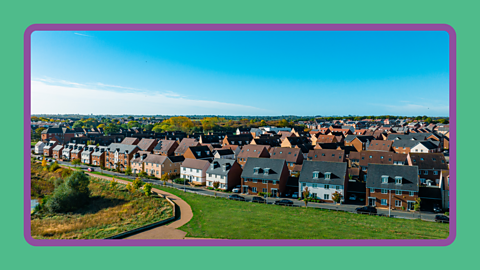
Image caption, Urban habitats
Urban habitats can be found in villages, towns and cities. The plants and animals that live there have adapted to live in busy, noisy conditions alongside people.
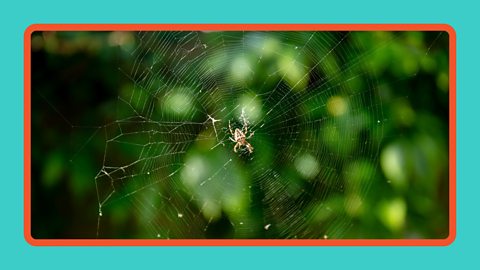
1 of 6
What plants and wildlife live in urban areas?
Unusual urban facts
Urban areas take up almost 10% of the UK's land area.
Roughly 84% of the UK population live in an urban environment.
Foxes are omnivores which means they eat both animals and plants.
Hedgehogs are nocturnal which means they sleep in the day and are active at night.
There are an estimated 20 millionrats living in London.
Urban areas are warmer than rural areas, this is because concrete absorbs solar radiation (heat from the sun).
There are now over 24,000 urban beekeepers in the UK.
Some species of UK deer including red deer and roe deer have a growing population in urban areas.
Important words
Adaptation – The way animals change to suit different conditions.
Air – Animals need air to breathe.
Evolution – The way that animals develop small differences over time.
Food – The things an animal or plant eats and takes nutrition from.
Nocturnal – Animals that sleep during the day and are active at night.
Omnivores – Animals that eat both animals and plants.
Urban habitat – Where an animal or plant lives in human cities, towns and villages.
Shelter – Where an animal finds protection from predators.
Water – All animals need to drink or take in water to survive.
Activities
Activity 1 – Find the urban animals
Activity 2 – Urban habitats quiz
Activity 3 – Urban habitat wordsearch

Play Galaxy Pugs. game
Help the pugs observe Earth’s animals, learn how to grow plants, study the human body, experiment with materials and much more!

More on Living things and their habitats
Find out more by working through a topic
- count8 of 10
- count9 of 10
- count10 of 10
- count1 of 10