Shops and businesses
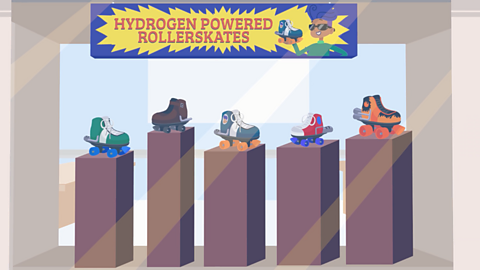
Shops and businesses are places where people buy items such as toys, clothes, and food. People who run shops and businesses sell these things to make money.
When people buy from shops and businesses, they give money to them in exchange for what they want to buy.
How does Fairtrade work?
Fairtrade is when people who make the things we buy are treated fairly and paid properly for their hard work.
Fairtrade is essential for people working in poorer, less developed countries.
Fairtrade groups have been set up to form positive relationships between producers and buyers.
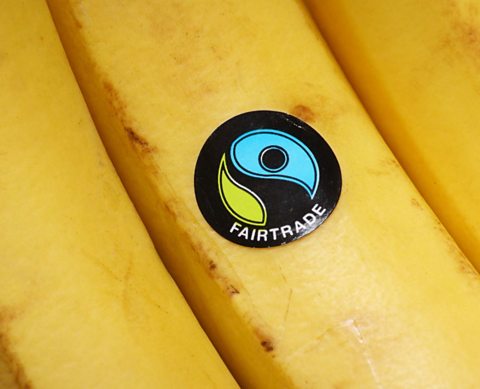
There are a number of Fairtrade logos on the packaging of items to tell us if the product is Fairtrade.
Have you seen any of these logos before?
What are the aims of Fairtrade?
Fairtrade tries to ensure that people are paid enough money for the products they make and that they are not overworked or working in bad conditions.
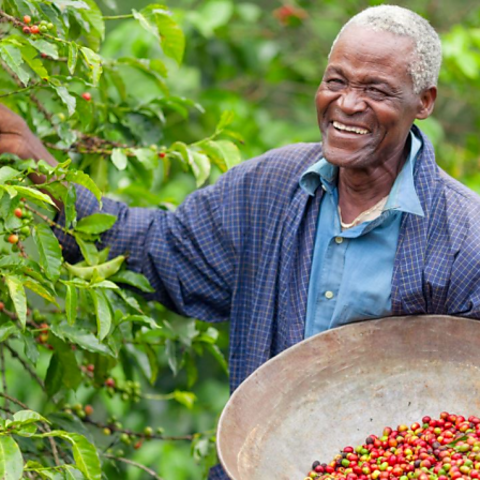
Fairtrade wants to ensure farmers and producers in poorer countries receive fair payments for their crops, products, and hard work.
Some everyday Fairtrade products sold in Northern Irish supermarkets include coffee and chocolate.

History
One of the earliest founders of the Fairtrade moment was Edna Byler. In 1946, Byler, who was an American businesswoman, visited a women’s sewing group run by the Mennonite Central Committee (MCC) in Puerto Rico.
She began selling the group’s crafts to friends and neighbours in the United States.
In 1962, her project was adopted by the MCC as the Overseas Needlework and Crafts Project.
In the 1940s and 50s, some groups started to work together to ensure farmers and workers, particularly in poor countries, got a fair deal.
Over time, more and more people around the world started to support Fairtrade, and it became a bigger movement. In 1992, the Fairtrade Foundation was established.
Since 2000, Fairtrade sales and customer awareness have grown a lot. There are lots more Fairtrade products available including tea, chocolate, sugar, vanilla, and fruit.
In 2002, the first World Fairtrade Day was held.
Why is Fairtrade so important?
When we buy things that are Fairtrade, it means that the people who make them are treated fairly and paid a good wage. This helps them and their families have a better life.
Fairtrade helps farmers and workers access more training and better machinery to improve their chances of running a successful business.
Fairtrade also tries to ensure the environment is taken care of and that products are made in a way that doesn't hurt the Earth.
It helps us all be kinder to each other and the planet!

When you choose Fairtrade chocolate, you know that farmers in African countries such as Ghana and Ivory Coast are getting a fairer price for their cocoa.
Farmers and workers are guaranteed the Fairtrade Minimum Price for their crop. It means they are more likely to be able to cover essentials costs, including food, education and healthcare.
More on Economy and trade
Find out more by working through a topic
- count2 of 4

- count3 of 4
- count4 of 4