Revision guides: Chemistry in society
Revise: Metals
We use metals in everyday life, for example in jewellery or cars. They have many uses due to their properties which include strength, malleability, conduction of electricity and conduction of heat.

Revise: Plastics
Plastics are widely used as they have many useful properties. Most plastics and synthetic fibres are made from chemicals derived from crude oil and are made up of long chain molecules called polymers.

Revise: Fertilisers
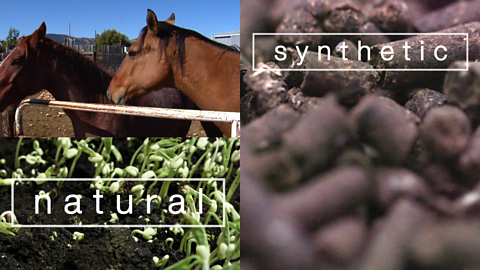
There are two types of fertilisers: natural which is made from plant and animal waste, and artificial which is man-made. By using fertilisers, farmers are able to grow more crops on a field.
Revise: Nuclear chemistry
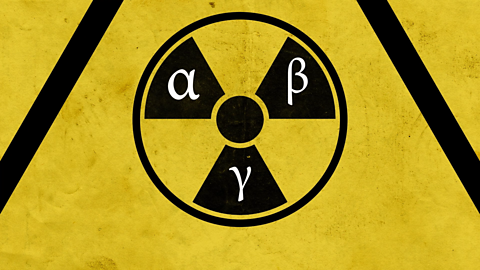
Nuclear chemistry is the study of the breakup of unstable nuclei, which results in the emission of radiation and energy. There are three types of radiation; alpha (α), beta (β) and gamma (γ).
Revise: Chemical analysis
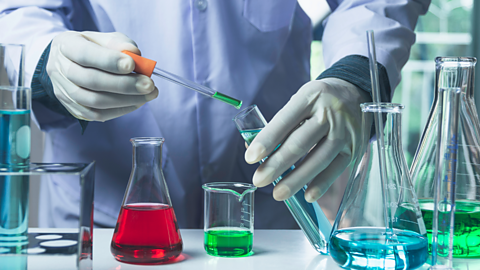
Chemists monitor our environment using a variety of quantitative and qualitative analysis techniques. The results from quantitative analysis are used in calculations that give essential information.
Video playlist
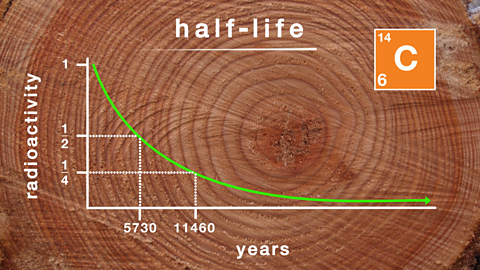
Video: Half-life. Video
Radioactivity is measured in the number of nuclear decays an object has per second
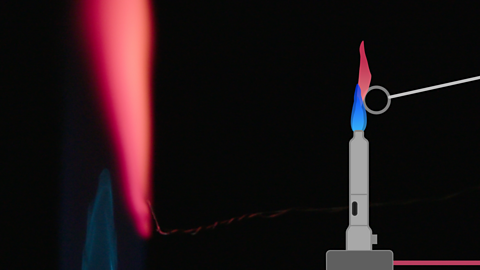
Video: Flame testing. Video
Some metals change the colour of a flame, allowing you to determine what metal it is
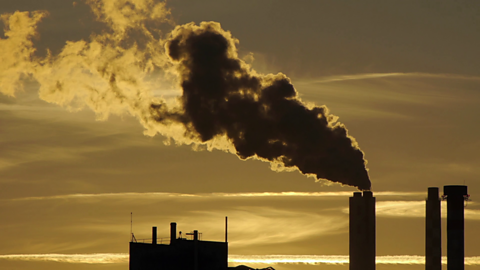
Video: Combustion reactions for hydrocarbons. Video
Hydrocarbons react with oxygen to create carbon dioxide and water which releases heat.
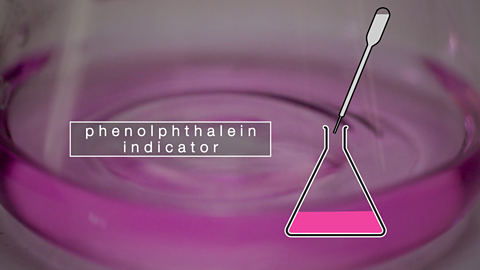
Video: Titration and making fertilisers. Video
Titration lets you calculate the concentration of acids or alkalis using an indicator
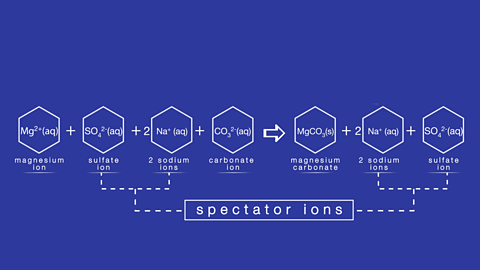
Video: Precipitation reactions. Video
Combining two soluble salts causes a precipitation reaction
Video: What are fertilisers? Video
Explaining how fertilisers are used in the continued growth of healthy food crops
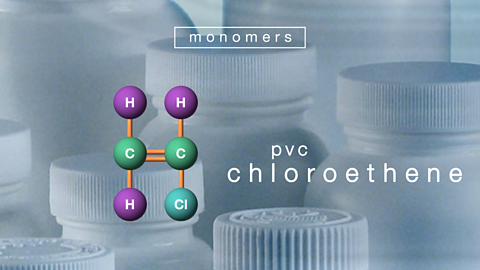
Video: Polymers and monomers. Video
How chains of molecules called monomers combine to make the polymers used in plastics
Video: Reaction of metal and acid. Video
Explaining how metals above hydrogen on the electrochemical series react with acids
Video: Radiation. Video
Explaining the properties of the three kinds of radiation - alpha, beta and gamma
Video: The uses of polymers. Video
An explanation of what polymers are and some of their uses.
Video: Use of radioisotopes. Video
Radioisotopes are used to detect and treat cancer and have various uses in industry

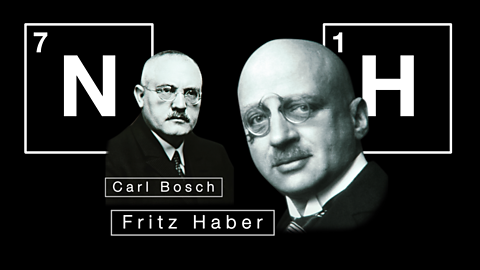
Video: The Haber process. Video
Explaining how ammonia is a used in the production of fertilisers using the Haber process
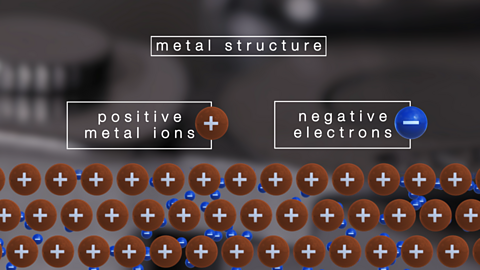
Video: Metals. Video
Explaining the structure and reactivity of various metals
Links
- External linkExternal link
- External linkExternal link
- External linkExternal link
- External linkExternal link
