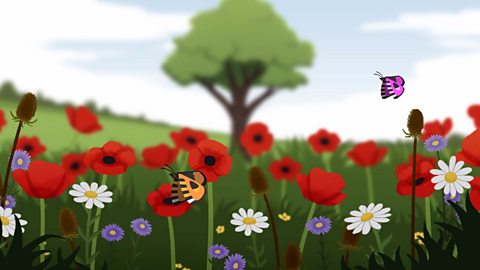
Wanda wants to find out how tiny seeds grow into plants and asks the 'Big Book of Things to Know by 8¾'
Hah! Hah! Whee! Huh!
Hey! Big book of things to know by the age of 8 ¾, it's me again, Wanda! And I have to find some stuff out.
Oh, hello Wanda. Good to see you again. Well what's on your mind today?
Seeds!
Seeds?
Yep! Apparently tiny little dry seeds can become big plants and ginormous trees and I want to know how it happens!
Ah, yes. Seeds and how plants grow. I haven't opened this page for quite some time - not since I was a booklet.
Here we are. Seeds and how they grow. Perfect!
A seed is an amazing thing. It is the part of a plant that is specially designed to make a new plant.
But they’re so small and dry. They don't look like they're alive at all.
I know, but when you add water and pop them in the ground something quite incredible happens.
What happens? how does it work?
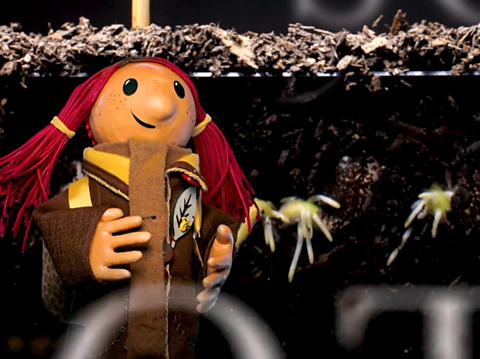
The water seeps into the seed and makes the tiny cells inside spring into life. soon the seed will burst and the roots will spread out.
What does it need roots for?
The roots keep the baby plants strong in the ground and then they give it water and food so it can grow. The seed has sprouted.
So, when my Granny says I'm sprouting up she's comparing me to a seed?
Hahaha, exactly. The whole process is called germination. With the right temperature and some light, water and air seeds soon grow into strong plants.
I love plants! Especially ones that have flowers.
And do you know why they have flowers?
To look pretty?
No, to attract insects like bees who spread pollen to other plants and that eventually means more seeds.
So plants have roots and flowers and what else?
They also have stems that carry water from the soil, and leaves to help create food from sunlight. And of course they also have fruit which contains the seeds that will eventually become new plants.
Ah, that is so cool! And it all starts with a tiny little seed.
Yes, but not all seeds are tiny, Wanda.
Really? What's the biggest seed you can get?
Here, look at it. It's called the coco-de-mer. It’s the seed of a type of palm tree and it can be up to 30 centimetres long.
Hahahaha!
What’s so funny?
It looks like a bum!
Yes, Wanda. See you next time.
Bye! A bum!
What are seeds?
Everything that lives on Earth has a life cycle, plants included.
A plant begins life, it grows, it reproduces, and eventually it dies.
Plants begin their lives as tiny seeds which can grow into new plants. The seeds carry the food that helps the new plant begin to grow.
There are hundreds of thousands of different types of seeds. They come in all sorts of different shapes - round and flat, long and thin or bushy and spiky.
Inside the seed is something called an embryo, a tiny little plant surrounded by stuff that feeds it. This is called the endosperm.
The outside of the seed has a coat which surrounds the embryo to make sure it’s safe. The coat protects the seed from very hot and very cold weather, damage and parasites.
A coat for every occasion
You might like to wear a coat to keep snug and dry. Seeds are quite similar.
All seeds have seed coats.
Thicker seed coats are better able to protect the seed from water and damage.
There are so many different seed coats.
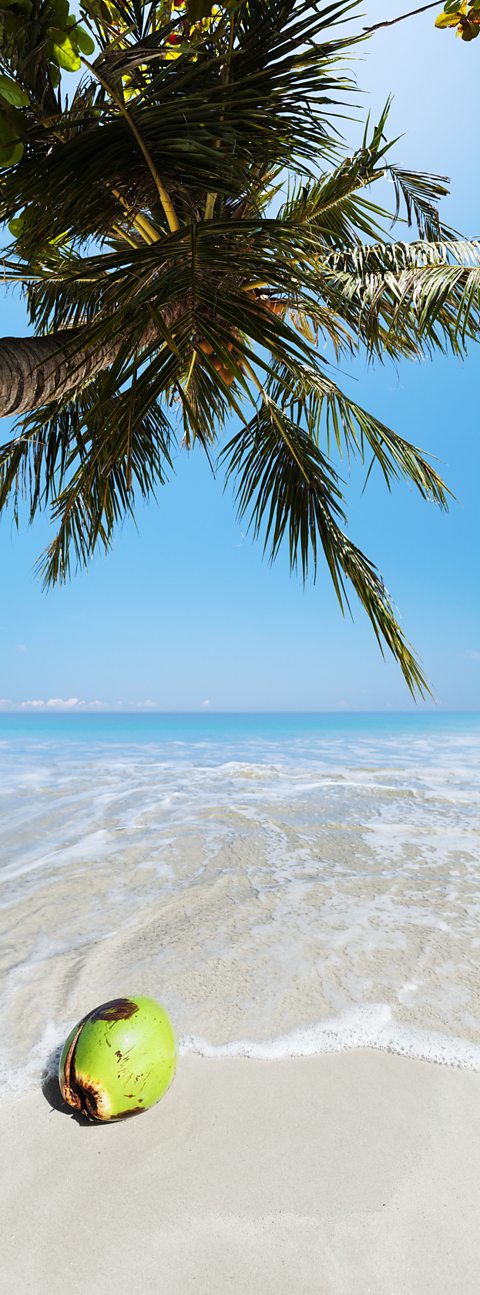
Palm trees have seeds called coconuts.
A coconut has a very thick seed coat, and it can float on water.
This allows the palm tree to spread its seeds long distances as coconuts bob on the ocean to other islands.
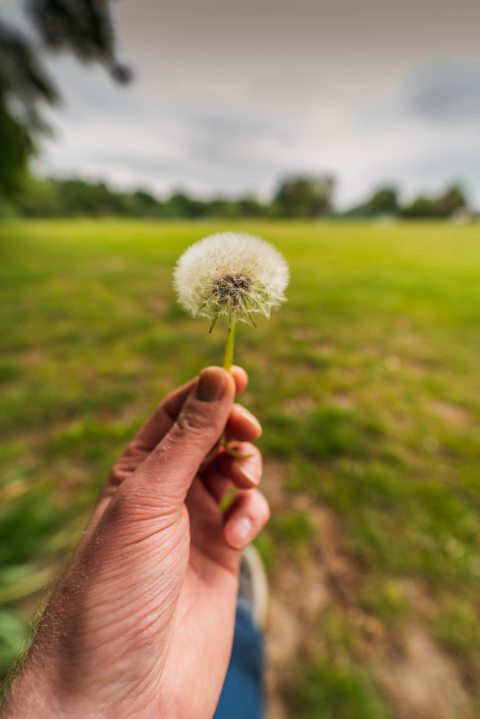
Some seeds are very light and can float away on the wind, such as the seeds from poplar trees or dandelions.
Other seeds come inside a fleshy fruit that animals like to eat.
The animal travels on after eating, and when it stops to poo the seeds drop to the ground and make new plants.
There are lots of different ways for seeds to be moved around the world. This is called seed distribution.
While on its travels, the embryo is safely stored inside the coat, waiting for the perfect time to begin to grow or germinate.
What is germination?
Germination is the process by which a plant grows from a seed.
It begins with something called scarification. This word describes how the seed coat changes to allow moisture to get in.
Scarification can happen in different ways. Freezing temperatures can cause the seed coat to crack apart, or tiny organisms can break the seed coat open. Sometimes gardeners put a small cut in seeds before soaking them in water.
Seeds need the right conditions to germinate, and they can wait a very long time. Even if it has been lying inside for years a seed can still germinate and grow when conditions are right.
Some seeds need light to germinate, others need darkness, but all seeds need moisture, oxygen and the right temperature.
When conditions are right the seed starts taking in water and gets bigger and bigger until the coat splits apart. Air can then get to the seed and the oxygen in the air helps the baby plant burn the food that is packed inside the seed. This produces energy that the baby plant uses to grow. The root begins growing downward and the baby stem begins to curl upward.
Soon the plant pushes out of the soil and starts sprouting leaves.
What else can seeds do?
Seeds are amazing things.
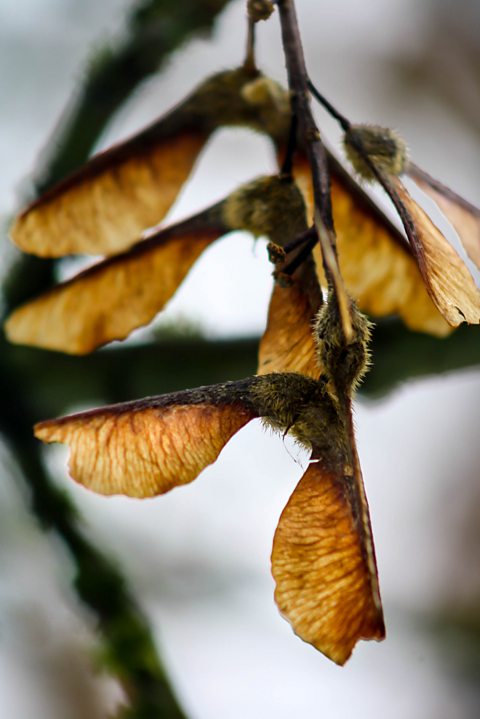
Some seeds can fly, like sycamore and dandelions. Some people have suggested that this is where the idea for helicopters and parachutes came from.
Some seeds can stick. The idea for Velcro came from a burdock seed, which has little hooks that attach themselves to animal fur.
Some seeds can even plant themselves, such as wild oats which drill into the ground once watered.
What’s even more amazing about seeds is that so many of them make really good food for animals and people.
Flax seeds, chia seeds, hemp seeds and many more types have become very popular because they help people stay healthy and fit.
It seems that there is more to seeds than meets the eye!
More on Food and farming
Find out more by working through a topic
- count2 of 5
- count3 of 5
- count4 of 5
- count5 of 5