What does our body do?
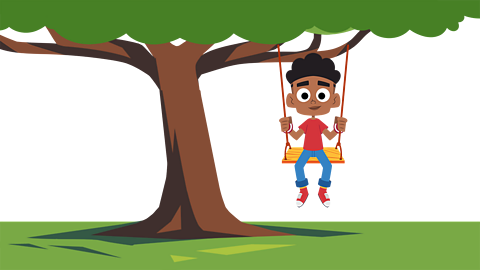
The human body has different parts that help us do things like walk, talk, eat, and see.
Just like a car has different parts, such as wheels and windows, our bodies also have different parts that work together to help us move and stay healthy.
Watch: What is the human body?
Take a look at the different parts of the body.
The parts of the human body
The human body comes in lots of different shapes and sizes but most are made up of the same parts which do the same job.
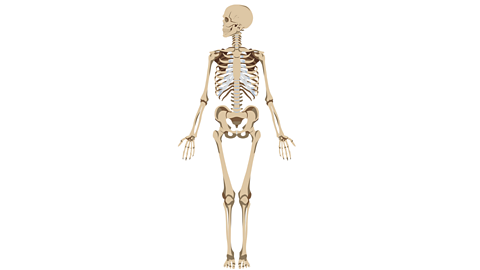
We all have a skeleton.
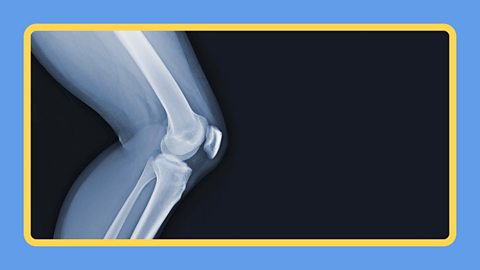
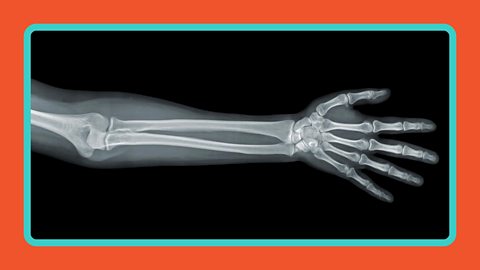
The bones in your skeleton help you stay standing up and let you move around.
They also protect the important organs inside you. Your ribs keep your heart, lung and stomach safe.
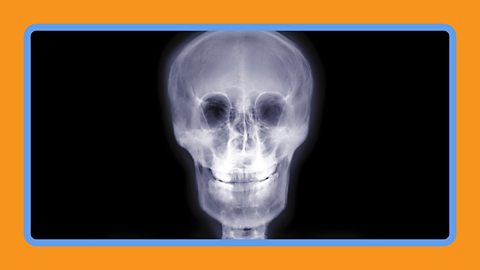
And your skull acts as a tough shell for your brain.
Keeping everything safely wrapped up is your skin.
Most of us have the same kind of body parts in the same places.
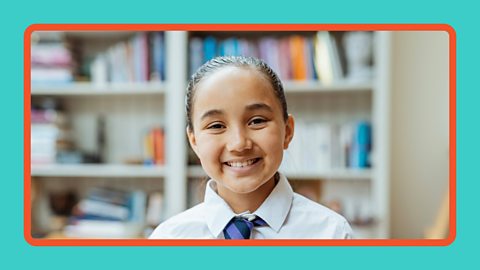
You have a head and a neck.
You have arms, elbows, hands and fingers.
You have a chest and a tummy.
You have legs, knees, feet and toes.
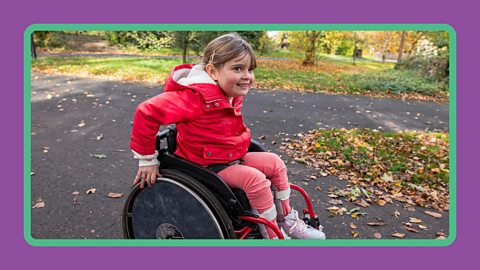
Some of us might need help to make our bodies to work better. For instance, you might need an extra little help to hear or to get around.
Whoever you are the best way to keep every part of your body healthy is lots of exercise.
Brilliant body facts
- The skin is the largest human organ.
- Most people blink between 14 and 17 times a minute.
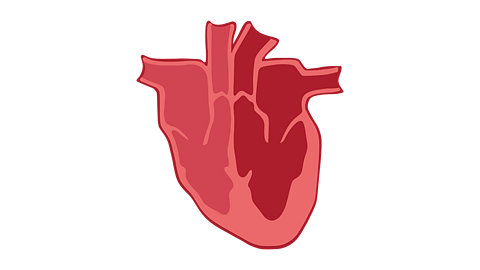
- The heart beats around 100,000 times a day.
- The brain can't feel pain.
- Babies have more bones than adults.
- The left lung is smaller than the right, because the heart takes up some of its space.
- The fastest moving muscle in the human body is found in the eye - its job is to close your eyelid when you blink.
- The adult human skeleton has around 206 bones.
Parts of the human body
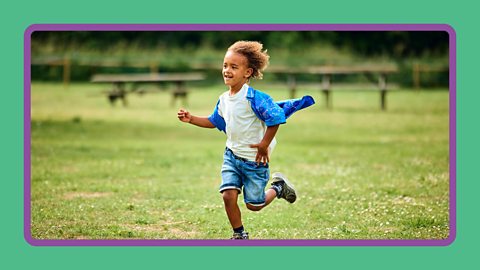
Image caption, Legs
If we're able to, we use our legs to move and balance.
1 of 6
Did you know?
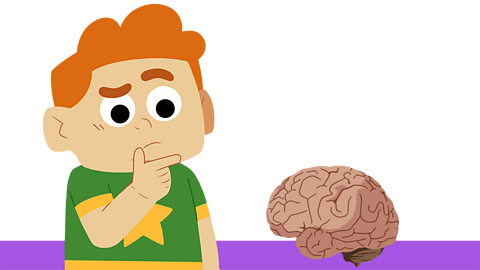
The human brain is the control centre of the body. Your brain is made up of about 75 percent water. Not drinking enough water can reduce your ability to think.
Sperm whales have the largest brains of any animal, over five times the size of a human brain.
The right-hand side of your brain actually controls the left-hand side of your body, and the other way round. No one is absolutely sure why this is!
Important words
Arms – The limbs that extend from your shoulders and end in your hands.
Ears – Organs on the side of your head to help you hear.
Elbow – The joint in the middle of the arm that allows your arm to bend.
Eyes – Organs on your face to help you to see.
Face – The front part of your head, including the eyes, mouth, and nose.
Hair – The strands that grow on your head.
Head – The top part of the body containing your brain.
Knee – The joint that allows your leg to bend.
Legs – The limbs that support your body and help you to move.
Mouth – The organ found on your face that is used for eating and speaking.
Neck – The part of the body that connects your head to the rest of your body.
Organ - Parts of our body that have a function like the skin, lungs, heart and stomach.
Teeth – White structures made of enamel that are found inside your mouth and are used for biting and chewing.
Activities
Activity 1 – Find the body parts
Activity 2 – Quiz
Activity 3 – Label the body parts
Play Galaxy Pugs. game
Help the pugs observe Earth’s animals, learn how to grow plants, study the human body, experiment with materials and much more!
More on Animals including humans
Find out more by working through a topic
- count10 of 12
- count11 of 12
- count12 of 12
- count1 of 12