Information system design and development
Structures and links
Information systems like databases are used to store and present information, making it easier to visually interpret and understand, faster to search, update and check for errors.

Media types
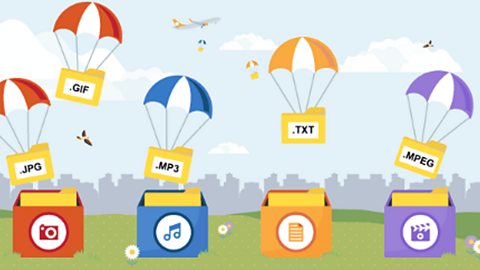
Information systems need to be interactive and interesting. A way of doing this is to include different media types. Media will increase the memory requirements and compression is used to reduce this.
Purpose, features, functionality, users
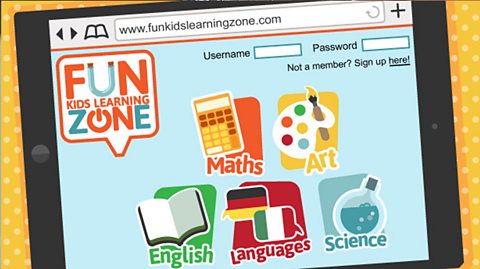
Information systems are designed to fulfill a purpose for their end users. The users' different skills and abilities will determine the different features included in the system.
Technical implementation (hardware requirements)
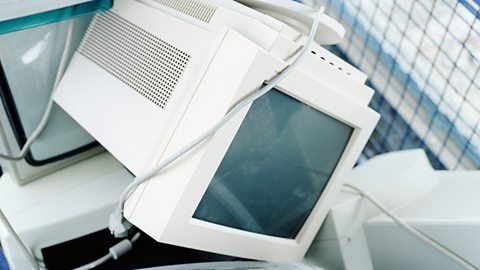
Hardware allows the system to store all of its information and to process and make decisions based on this data. Hardware displays data to the user and allows them to interact with it.
Technical implementation (software requirements)
An operating system is the suite of programs that control the operations of the computer system. Utility programs keep a computer system working efficiently and protect it from threats.

Technical implementation (storage)
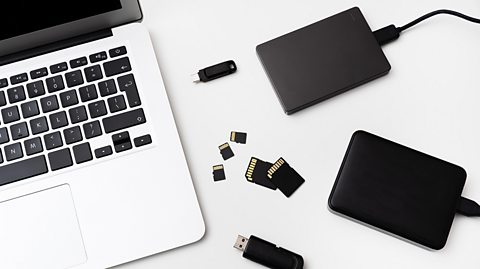
Computers systems are capable of storing vast amounts of data. An information system will store music, videos or thousands of online transactions for the largest banking company in the world.
Technical implementation (networking and connectivity)
Networks allow businesses, institutions and individual users to instantly communicate and share information. They allow smaller organisations to work efficiently by sharing resources.

Security risks
Risks including viruses, identity theft and DOS attacks threaten our electronic devices and the data that they store.

Links
- External linkExternal link
- External linkExternal link
- External linkExternal link
