What is overconsumption?
The Regenerators met with public speaker, zero waste advocate and environmental scientist, Less Waste Laura (aka Laura Young), to chat about the challenges we face in relation to overconsumption.
But before we go any further, what is overconsumption I hear you ask? Take it away Laura…
Overconsumption in simple terms, is buying too much stuff. And a lot of the time, the way that we indicate if we are overconsuming is by what we are wasting. So, in terms of food, we buy way too much of it, it goes out of date, we run out of time to eat it, and then we have to throw it away.
The environmental issues of overconsumption
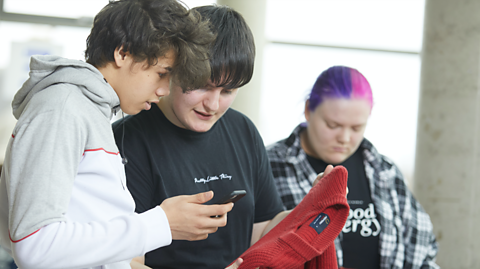
This is a common issue which we can all relate to whether it’s with food, fashion or even old tech. Unworn clothes and old phones lie at the bottoms of cupboards and sometimes food at the back of the fridge gets forgotten and wasted. However, why is overconsumption an environmental issue and what impact does it have?
“Overconsumption is an environmental problem because all of our stuff is made from the Earth’s resources and it uses a lot of energy to create these things. Let’s take a t-shirt for example. For a t-shirt to be made, you've got to find the materials – such as polyester; which is plastic made from oil or the crop, cotton. Not only are we using up these resources that we find around the world, but the energy to produce the material; to manufacture it, to ship it and to make it available all around the world.” Looking to the future, this means we may start running out of certain things by putting pressure on resources and in turn, we may run out of space for the waste we've sent away.

Drivers of overconsumption
It would be easy to think after reading this article that it’s possible to stop overconsuming in your everyday life very quickly. However, as Laura points out, there are many drivers that play a role in leading us to overconsumption.
“When it comes to food, overconsumption often happens because we are busy. We might buy ingredients in a rush without really planning ahead or checking what we already have in at home. In some cases, we don't store things properly, so it goes to waste, meaning we need to buy more.”
Laura goes on to share a staggering figure about global food waste…
Often when we talk about sustainability, food is a hot topic. People want to know what the best food is to eat or the worst food is to avoid. But actually, the food that has the biggest impact is the food we don't eat. So globally, a third of food is wasted. And if this food waste was a country, it would be the third largest emitter of carbon (Food and Agriculture Organisation 2020), which has a detrimental impact on the environment.

Hacks to combat the issue
When it comes to tech, fashion and homeware, there is a direct link to peer pressure and changes in culture. Trying to keep up with certain trends, whether it’s interior design, the latest technology or fashion, all play their part. “There's a pressure to keep up to date and not be seen twice in the same outfit and that’s what continues to push us to buy.”
Alas, all is not lost and there are various ways we can look at breaking the cycle!
“Try and think about the small steps that you can make to change the way that you buy things. And for some people, that may be taking it topic by topic. We’ve spoken about fashion, tech and food. It’s quite overwhelming to try all of them at once, but maybe you can think about even a small change challenge in one of those areas.”
Don't wreck your tech
“It’s also not just about how much we buy and looking at second hand or more sustainable options. Think about how we can fix the things that we have and make our things last a lot longer. If you have an event on the horizon, ask yourself the question, do I need to buy something new? Can I borrow an outfit from a friend or can I wear something I already have?”
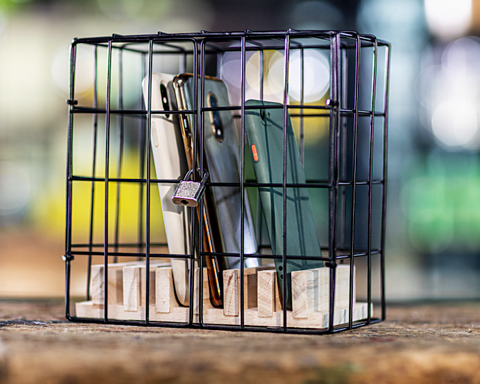
Fixing something, rather than just buying something new, is an especially good action to take when it comes to technology like phones, tablets or laptops. Not only is it doing your bit for the planet, but it also saves you money. Taking better care of your technology items, like cleaning them and turning them off when they’re not in use, also helps prolong their life. Why not try a ‘digital detox’ to give you and your devices a breather? Too much screen time is bad for our brains and bodies, so taking time away from them can be really beneficial. Then, once you’ve had some time away, you can really think to yourself: “do I need all these devices?”
How to talk to your child about climate change
The threat of climate change can be particularly worrying for children. How can you help as a parent?

How to be a zero-waste hero
THE REGENERATORS

Back to The Regenerators
BBC BITESIZE