Young people are overwhelmingly looking to social media to find out what is happening in the world, according to a new report.
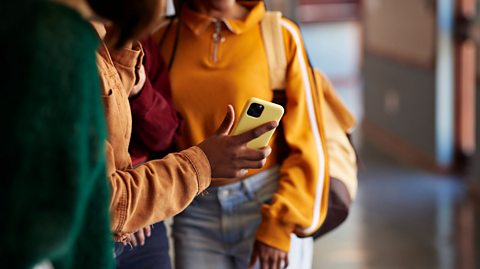
Research into news consumption from media regulator Ofcom published in July 2025, found that 80% of 16-24-year-olds went online to get their news, with 75% looking specifically to social media. Their findings show that sports and sports personalities are the most popular type of news for people aged between 12 and 15, followed by music news, then celebrities alongside fashion and beauty. For more serious subjects, such as news and politics, X - formerly known as Twitter - was the platform people in the same age group tend to turn to more.
The same report showed showed that 57% of the 12-15-year-olds surveyed consume news on social with TikTok being the most commonly used platform followed by YouTube in second place and Instagram in third.
Trusted sources for news stories
Fifty-two per cent of 12-15s say the news on social media is trustworthy - a significant increase - up from 45% in 2024. One in ten (11%) 12-15-year-olds chose TikTok as their most important news access point in 2025 – more than any other individual source, although YouTube is the second most-used individual source of news among this age group, with 7% rating it as their most important source of news.
Regarding the traditional news providers, the BBC is seen as the most trusted source in the UK, and according to Ofcom - the most used for 12-15s. The top stories on the BBC for young people in the past 12 months include the US election results, the UK general election and the death of One Direction singer Liam Payne. More than 40% of the BBC News’ TikTok channel global daily audience is made up of users aged 18 to 24. Its presentation of news stories in a social media-friendly style has helped younger audiences learn more about issues ranging from Donald Trump’s presidency to the method used to elect a new Pope, known as conclave.
Younger people tend not to seek news out themselves, preferring for it to ‘come to them’, by stumbling upon it on different social media channels. This means they are more likely to see news on topics which interest them, based on social media algorithms and filter bubbles. These can lead to social media only showing one side of the story, and it’s important to widen that view by looking at a broad range of places online - as long as they can be trusted - to find information and news.

Just chatting to friends and family and trusted adults at school can also be a useful way of finding other opinions and viewpoints. Ofcom found that 59% of 12-15-year-olds said talking with family was the most usual way to learn news, more than social media (57%) and watching on TV (51%). This can be a good thing, as it’s been known for worries about fake news to affect some people’s mental health.
Spotting the real news from fake
News found on social media isn’t always genuine, however. It’s important to know how to spot real news, or when someone is trying to spread misinformation online. Take a look at the guides Other Side of the Story has on all aspects of reporting to find out the different ways you can check sources, or if a story is actually fake news, making sure you have a safer online experience. Some of our other content includes:
- Our fun monthly AI or Real quiz
- Our informative guide on how to spot clickbait
- Articles on the misinformation that can spread online - for example, check out our food collection
This article was published in July 2025