The world’s Paralympians show time and again how challenges are no barrier to sporting excellence, and the same can be said for other pursuits as well.
Kate Stanforth is a professional dance teacher and disability activist, who teaches from a wheelchair and specialises in inclusive dance classes.
This is her journey in dance - one that took an unexpected early turn, in her own words.
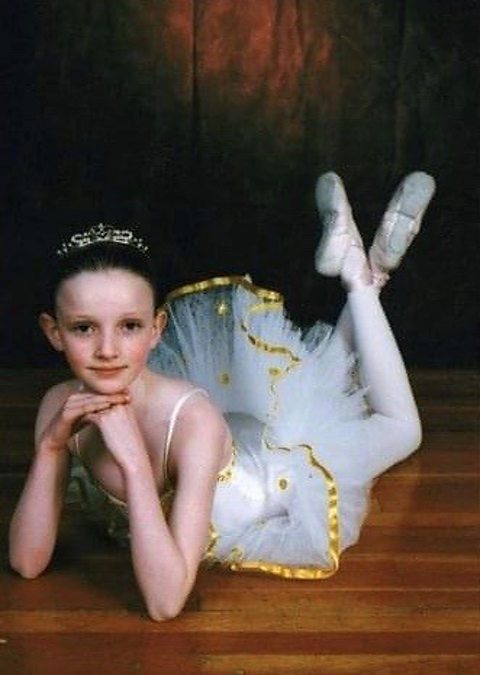
"I wanted to be a professional dancer"
I began ballet lessons at the age of two and quickly fell in love with the art form. By eight I decided I wanted to be a professional dancer and started my pre-professional training. This included a packed regime of dancing around my school timetable, dancing up to seven hours a day on a weekend and travelling the country for competitions.
Unfortunately, when I was 14, I became unwell and had to give up my dance training. I was diagnosed with a number of health conditions, A long-term illness with many different symptoms. A common one is extreme fatigue. Also known as Chronic Fatigue Syndrome (CFS). and A group of rare inherited conditions that affect connective tissue. Connective tissues provide support in skin, tendons, ligaments, blood vessels, internal organs and bones. The condition can be mild in some patients, while for others it can be disabling.. I was extremely unwell during the first few years of my chronic conditions and became a wheelchair user. It wasn’t until 2014, eight years into my chronic-illness ‘journey’, when I was finally able to bring dance back into my life.
"My goal was to get my teaching qualification"
As soon as I felt strong enough, I wanted to get back into the dance studio.
It was a difficult period of adjustment and I found it hard, both physically and emotionally, reconnecting with dance in such a different way. I started assisting in classes and loved it, which is why I made it my goal to get my teaching qualification. I'm proud to say that I passed with 97% and started teaching ballet once a week.
Being a disabled dance teacher has taken me years of learning to adapt my teaching style. I teach both disabled and non-disabled students and one of the things I encourage is mixing abilities in classes. I adapt my own teaching style by using lots of verbal cues, showing most movements using my hands or arms, and using a demonstrator [another dancer, usually a student] - if necessary. Every week I have new challenges and that's one of the things I enjoy.
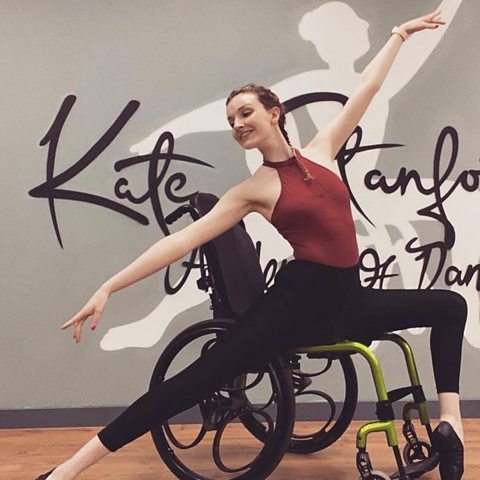
"I never thought I would get back"
When I had to stop pre-professional training, I never thought I would be able to get back into the dance industry… but here I am!
I now own an inclusive dance school, and teach people from all over the world how to dance. We teach lots of styles of dance, from commercial to tap. And, if you're wondering how you teach tap to wheelchair users, we sew taps onto gloves and they tap with their hands.
For styles such as freestyle, we adapt by learning how to ‘pop’ in our wheelchair (doing a wheelie!) and use our upper body strength to create new balances to fit with the music. It’s all about thinking outside the box when adapting, but we often come up with some really impressive moves.
There are so many ways to get into dancing now, which is really good news. If you’d like to learn to dance in person, then search locally for classes in the style that interests you. I also encourage you to get in touch with local dance teachers to see if they can accommodate your needs in ‘regular’ classes too.
"Now, I dance as part of my job"
It wasn't until a few years ago I was able to start dancing for myself again. Even now I have to be very careful about how long I dance, as I can only do so for a very short time, but it's something I love. Learning to dance in a wheelchair was difficult but I was able to use my technique from my many years of training to find new shapes and moves to create my dance style.
I started posting pictures and short videos on social media and they started getting a lot of attention. Now, I dance for brands as part of my job and have had some incredible opportunities, travelling the world, appearing in adverts and choreographing for TV.
"I don’t want anyone to battle like I did"
My main goal since becoming disabled was to increase accessibility in the dance industry.
I found getting back into the dance world difficult, from being able to find accessible dance studios to having negative comments made about me because I was a teacher in a wheelchair.
I genuinely think I have proved myself in this industry now, but I don't want anyone to have to battle through it the way I did.
I'd like anyone, from whatever background, to be able to access dance - whether that's dancing, teaching or choreography - and I'm determined to make sure that everybody has their chance to dance.
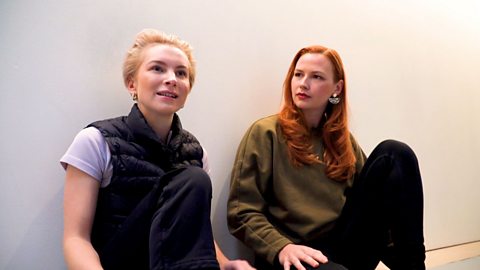
Dancing with dyslexia: How dance helps me express myself
Choreographers Charlotte and Elizabeth talk to BBC Bitesize about how dance transformed their lives.
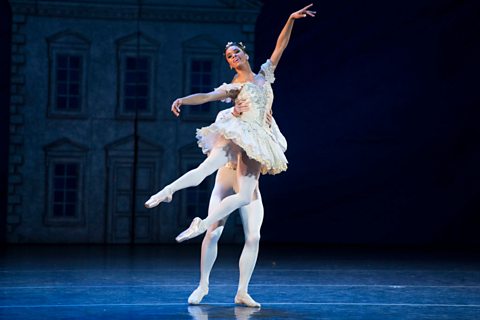
Five ballet tunes that went from classic to pop
BBC Bitesize
Five potential health benefits of music
From weight loss to preventing snoring, music has a special way of keeping us healthy. Find out how here.