This article was updated in June 2025.
What is online bullying?
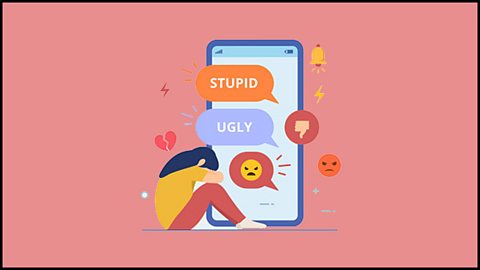
Online bullying, often called cyber bullying, is when someone bullies another person online.
Online bullying can be very overwhelming as it can happen anywhere, or at any time, on your phone or other devices. But you don't have to put up with it and there are things you can do. Check out the tips below for practical steps to take if you or someone you know is being bullied online.
How to stop online bullying
1. Don't self-blame
If you experience any kind of bullying, it's never your fault. You don't deserve to be treated badly by others and you should speak to an adult you trust about it.
2. Don't retaliate
People who bully often want a reaction, so fighting back can sometimes give them what they want and might even get you into trouble. Take a moment to think before responding.
3. Save the receipts
Save messages, comments, or posts as proof before they disappear. You might need them later to report or talk to someone.
4. Check the guidelines
Check the community guidelines for the site you're on so you know the rules about behaviour and can report and flag any bullying.
5. Tell someone
Tell someone what's happening – talk to an adult you trust like a parent or teacher. You are not alone!
6. Report, block, mute
Most social media sites have methods of blocking or muting others. Make sure you familiarise yourself with these tools.
7. Remember you're not the issue
Remember the problem is with them, not you. What they say does not define you. Don’t let their words shape your self-worth.
8. Be an up stander
If you witness bullying online, don’t just scroll past. Support the person being targeted – send them a kind message, encourage them to speak up, or report the bullying yourself.
Online bullying doesn’t have to be faced alone – help is out there, and you have the power to make online spaces kinder and safer.
Based on advice from Martha Evans, Director of the Anti-Bullying Alliance.

If you need support
You should always tell someone about the things you’re worried about. You can tell a friend, parent, guardian, teacher, or another trusted adult. If you're struggling with your mental health, going to your GP can be a good place to start to find help. Your GP can let you know what support is available to you, suggest different types of treatment and offer regular check-ups to see how you’re doing.
If you’re in need of in-the-moment support you can contact Childline, where you can speak to a counsellor. Their lines are open 24 hours a day, 7 days a week.
There are more links to helpful organisations on the BBC Bitesize Action Line page for young people.
For more advice on how to deal with bullying, you can visit the Anti-Bullying Alliance website.
Help! I think I might be a bully
Tips on how to spot your own bullying behaviours and advice around how to change them.

Dealing with change: Five top tips
Change can be daunting. Check out our expert advice for some tips on how to cope.

Phoenix Rise: help and advice for some difficult situations
Dr Radha looks at some situations from new high school drama Phoenix Rise and offers advice.