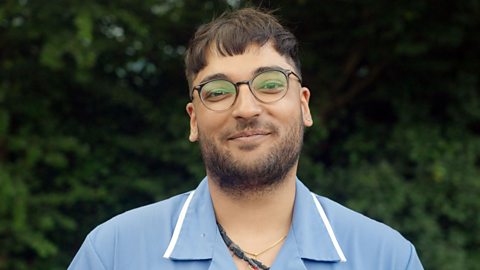
Doctor has topped the Bitesize Careers survey for the third year in a row as the job that most teens want when they grow up, with 14% of those surveyed saying they'd like this career, a 5% increase on our 2025 survey. But just how do you get a job as a doctor?
Watch our video for a roundup of some of the pathways into a medical profession as a doctor, and scroll down for more information about what to expect once you qualify.
So you want to become a doctor? You could be diagnosing illness, treating injuries and supporting patients. It can be challenging, but incredibly rewarding. To get started, you'll need strong GCSEs or National 5, especially in Science, English and Maths, followed by A-levels or Highers, often including Biology and Chemistry. Next you'll apply to medical school, which means UK entrance tests and interviews, plus showing you've done some relevant work experience or volunteering. Medical school can last up to 6 years and you'll get to study whilst gaining hands on experience in hospitals and clinics. After that, you'll train as a resident doctor. Learning on the job and specialising in areas like surgery, paediatrics or general practice and you can earn at the same time. In total, it can take around 10 to 12 years to qualify as a consultant. Along the way, you'll keep learning, take on more responsibility and work in a role that changes lives. So does this sound like a path you'd want to take? What kind of doctor would you be?

What qualifications do you need to be a doctor?
To get started, you’ll usually need strong GCSEs or National 5s, especially in Science, English, and Maths, followed by A-levels or Highers, often including Biology and Chemistry. From there, you apply to medical school, which can include entrance tests and interviews. Medical school can last up to six years. You’ll get to study while gaining hands-on experience in hospitals and clinics.
After that, you’ll train as a resident doctor, learning on the job and specialising in areas like surgery, paediatrics, or general practice and you can earn at the same time!
What to expect if you want to be a hospital doctor
- Hospital Doctor average salary: £39,000 to £145,000 per year
- Hospital Doctor typical working hours: 42 to 48 hours per week
What to expect if you want to be a GP
- GP average salary: £76,000 to £115,000 per year
- GP typical working hours: 45 to 50 hours per week
Sources: National Careers Service

Matt: Air ambulance doctor. video
Matt works in A&E as an air ambulance doctor.

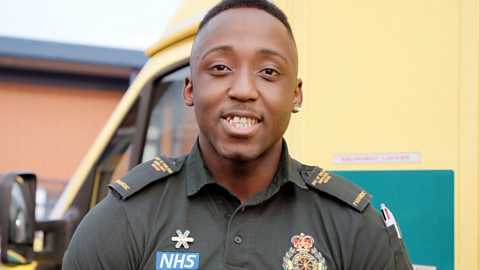
Tanoh: paramedic. video
Tanoh's a paramedic in the NHS.
Dilan: community midwife. video
Dilan is a community midwife in Lewisham, south London.