So, you know you want to make music, but how do you take that next step and turn what you’re creating into a job you love?
BBC Bitesize asked some music professionals attending BBC Music Introducing Live 2019 for their top tips on how to make music and make it happen.
Novelist: If you're just yourself unapologetically, then you're giving them automatically a USP, which is a unique selling point.
Yizzy: My grim that I make music wise compared to something that like, er, Skepta's making or even Stormzy's making is different, 'cause obviously I grew up in a different time, I got a different area. You are you and you have a story that's unique.
Angelle Joseph: A hundred percent you need a unique selling point. I think mine, coming in, was I did he pop show and I was local and I was at gigs every single weekend. That enabled me to get into a bigger role in radio. That's my selling point. Whatever yours is really focused on that and use it to your advantage.
Showdo: Work out what those… what your major strengths are, what your weaknesses are. Put the things you think, feel, see, experience out there through music and get people to feel it - changed their life without stuff, you know.
Bishi Bhattacharya: Trust those ideas, trust the things that you hear in your head and you feel within yourself.
Paul Epworth: If you've got experience working on Ableton, Fruity Loops. Logic, Pro Tools. Then you've got your… you've got some of the technical skills.
Neil Cowley: Some of the most interesting voices, artists, are coming from people who understand that make technology and use it to its Nth degree. They use it so fast, they almost subvert it they know it so well.
Angelle Joseph: The best approach for us through introducing is, you know, using the uploader - getting in your track first and foremost. Social media is always good as well. Um, I got my foot in the door by sending out a tweet to my local radio and I came for a visit - so that's really handy.
Yizzy: Information's completely accessible to you. But you kind of got a stop sitting down on your hands and kind of get up and actually go out and try and look a search for these things. Passion and love for music and everything.
Emily Burns: I had been working with the team at Abbey Road Studios and a job came up on the front desk and I just jumped at the opportunity. Having people around me everyday in my workplace that love music and know what they're talking about was really important for me.
Rachel Furner: My biggest thing that maybe I… I wish someone had told me earlier was finished a song. Because I think when you're starting to write to kind of have lots of bits and pieces of songs. So just try and finish it and then put it to the side.
The Amazons: For us, it was a long process of playing a lot shows at a lot of terrible venues. Practising a lot, writing a lot of music and we have kind of got our break a little bit. We got lucky by putting one song out online, which then 'blow up'.
Lucy Wood: Try and put on your own gigs, promote your shows, it's really good way of getting a name out there among the industry. And making contacts with different bands and labels and people who might support you as you grow and develop your brand.
Jamie Cullum: My suggestion to you would be to not necessarily think about the break. I mean, for me, I probably had about ten or fifteen different breaks. One of them was appearing on a big television show really early on in my career, because someone saw me and heard my music and thought I'd be a good fit for the TV show.
Bishi Bhattacharya: What I've realised is through the power of technology and social media. You can make really amazing things happened so practise, practise, practise.
Novelist: Before wanting to be accepted by anyone, you got except her own music. You've got to know what you're making is the best thing that ever hit this planet.
Passion and love for music is everything. – Yizzy
Seven top tips on making a career out of making music:
1. Believe in yourself
Rapper Showdo says: “Work out what your major strengths are, what your weaknesses are. Put the things you think, feel, see, experience, out there through music and get people to feel it.” Musician, artist, producer and co–founder of WITCiH, Bishi Bhattacharya, agrees: “Trust those ideas, trust the things that you hear in your head and that you feel within yourself.”
2. Have a USP – a ‘unique selling point’
Angelle Joseph is a presenter at BBC Introducing, BBC Radio Suffolk: “I did a hip hop show, I was local and I was at gigs every single weekend – that was my USP. Whatever yours is, really focus on that and use it to your advantage.” Grime artist Yizzy says: “You are you, and you have a story that’s unique.”
If you’re just yourself, unapologetically, then you’re giving them automatically a USP. – Novelist, Musician
3. Get some technical skills
Knowing how to use audio editing software can be really helpful. Pianist, composer and producer Neil Cowley says: “Some of the most interesting voices are coming from people who understand the technology and use it to its ‘nth’ degree.” When it comes to using technology, artist Bishi agrees: “Practise, practise, practise!”
4. Make sure you finish your work
Songwriter Rachel Furner says: “I wish someone had told me earlier to finish a song. I think when you’re starting to write you have lots of bits and pieces of songs. So try and finish it and then put it to the side.” Musician Novelist says: “Before wanting to be accepted by anyone, you’ve got to accept your own music. You’ve got to know that what you’re making is the best thing that ever hit this planet!”
5. Grab every opportunity
Singer and songwriter Emily Burns says: “I had been working with a team at Abbey Road Studios and a job came up on the front desk. I just jumped at the opportunity. Having people around me everyday in my workplace that love music and know what they’re talking about was really important for me.”
6. Use social media
Radio presenter Angelle advises: “Social media is always good. I got my foot in the door by sending out a tweet to my local radio and I came in for a visit.” You can also use BBC Introducing’s Uploader to send in your own tracks. Artist Bishi says: “What I’ve realised is that through the power of technology and social media, you can make really amazing things happen.”
7. Put in the hard graft
The Amazons say: “For us it was a long process of a lot of shows, at a lot of terrible venues, practising a lot, writing a lot of music.” Lucy Wood is a talent buyer for Latitude Festival. She says: “Try and put on your own gigs, promote your own shows. It’s a really good way of getting your name out there among the industry, and making contacts with different bands and labels.”

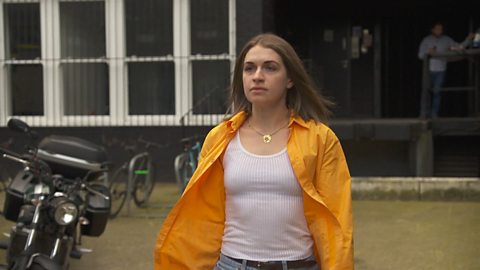
Nicola: strategist video
Nicola works at Mixcloud, an online music streaming service.
Jack: digital marketing assistant. video
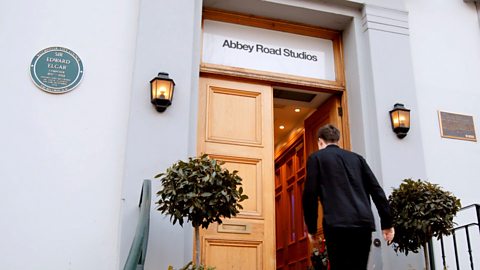
Jack works at the famous Abbey Road Studios in London.
Tom: DJ. video
Tom performed at Radio 1's Big Weekend.