Learning a new language is a great way to spend your time while staying at home - even Harry Styles is doing it!
And guess what? It doesn’t have to be all vocab lists and verb tables.
The first stages of learning a language are often all about you and your life - what time you get up, what you have for breakfast, what your dog watched on TV last night…
We checked in with the director of languages at the Share Trust in West Yorkshire, Juliet Park, about how to make our homes the perfect location for language learning.
Here are our top tips for bringing languages to life at home.
1. Little and often
Learning in short bursts everyday can help you build knowledge and practice the basics.
Juliet says “little and often” is the way to learn.
Instead of studying for three hours on Sunday night, why not assign 20 minutes a day to some language learning?
Use quizzes and interactive activities to jazz up your sessions.

2. Movie night
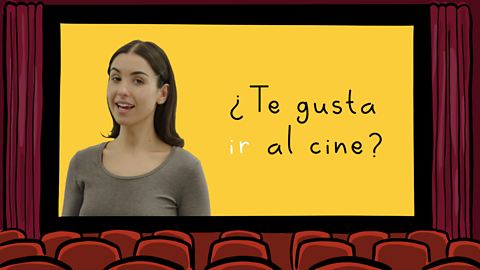
Watching films or TV in foreign languages is an excellent way to immerse yourself from home.
Juliet said slowing down the speed or putting subtitles on is helpful at first.
If you’ve been practising for a while, go for the subtitles in the language you’re learning - reading along can make the dialogue easier to follow.
3. Home sweet home
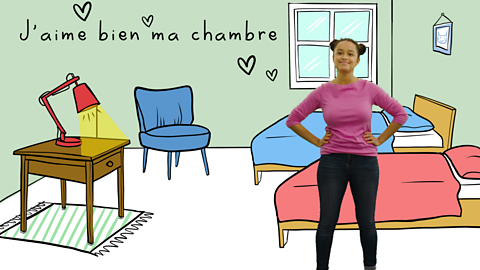
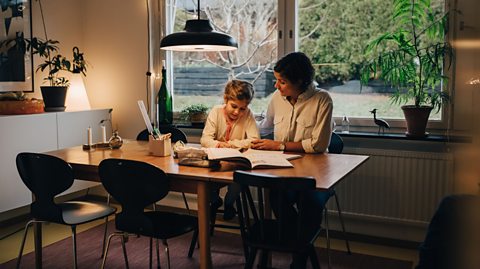
You might not be in your classroom anymore, but there are ways of using your home to help learn the new language.
Juliet suggested a weekly sticky note challenge.
Stick them around your home, with the names of the objects in the language you’re learning written on them. Say them out loud every time you spot one. By the end of the week, you probably won’t need those notes up any more as the words should be lodged in your head.
Sticky note challenge:
- Week 1 - Rooms in the house
- Week 2 - Appliances in the kitchen
- Week 3 - Items in your bedroom
- Week 4 - Things in the bathroom

4. Strike a pose
If you don’t have any sticky notes but you have a mobile phone, another way of learning vocabulary from around your home is by making personalised photo flashcards.
Take photos of things in your house and make them into flashcards, with the word in the language underneath. You could do this on your phone, print them off, or if you’re feeling artistic you could draw them by hand.
Practice by taking photos and describing the scene to someone in your family.
5. Cooking up some learning
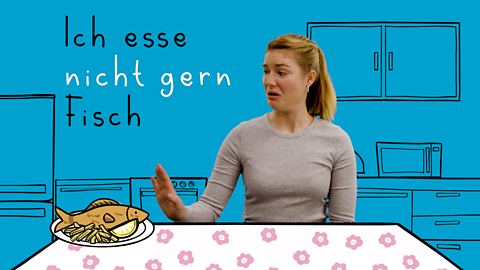
Try finding an online recipe in the foreign language, or a video clip to cook along with.
This will help you learn food vocabulary and imperative verbs like, weigh, mix, pour and stir… while helping cook dinner!
It might even help you learn phrases like: “Is this what it’s supposed to taste like?”

5. Dear diary
Juliet’s last tip was keeping a language learning diary to practice talking about your daily routine.
You could write it down, take photos, or even make videos of what you do on an average day at home.
Talking about your morning routine will help practice verbs that are reflexive in many languages, such as brushing your teeth or washing your face. Or, do it at the end of the day to practice the past tense.
Before you know it you’ll be vlogging in a foreign language… now that’s impressive.
6. Practise!
There are many different elements to learning a language, and some techniques will work better for you than others.
It's all about finding a combination of methods that helps you retain those new words and phrases.
It's important to get feedback on your grammar, vocabulary and punctuation, as well as listening and speaking to native speakers.
Learning French, German or Spanish? Why not practise your language skills with FestiLingo, a game set at a music festival?
And don't forget to check out our new guides to help you with your home learning.
FestiLingo: French
A French language game for students aged 11 to 14
FestiLingo: German
A German language game for students aged 11 to 14
FestiLingo: Spanish
A Spanish language game for students aged 11 to 14
French
French guides for students aged 11 to 14

German
German guides for students 11 to 14

Spanish
Spanish guides for students aged 11 to 14

How to make the perfect study station at home
Studying at home might seem frustrating at first, but we're here to help.
How to look after your mental wellbeing while at home
Anxiety expert Joshua Fletcher gives his advice for anyone self-isolating.