In a world of digital distractions and rapid advancements of AI, scammers are becoming more sophisticated and taking up space on our social media feeds, so it’s important to know how to protect yourself.
A recent survey by the UK Safer Internet Centre found that almost half of 8-17-year-olds have been scammed online and three quarters wanted to learn more about how to spot scams online.
BBC Bitesize Other Side of the Story spoke to some experts who shared their top tips and advice on how to stay safe and outsmart scammers.
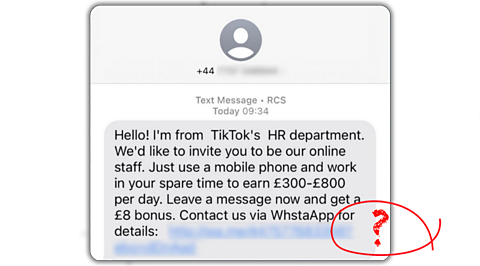 Image source, UK Finance
Scams offering great pay for doing relatively simple jobs using your phone have been circulating this year, using text messages, WhatsApp, emails and job boards to send people fake job offers.
British trade organisation UK Finance told us they have seen a rise of reports and shared some advice on how to recognise and stay safe from these scams.
- Stop and think. Who is really offering me that job? Are they contacting me out of the blue? If you’re unsure, head to the recruiter or organisation’s official website and get in touch with them yourself using the contact information they display.
- If a recruiter reaches out, take your time to research and verify them. If they start requesting more of your personal information such as your address or financial information, be vigilant.
- Be sceptical of job offers that promise large sums of money for little effort. If it feels too good to be true, it probably is.
- You should never have to pay to apply for a job or speak to a recruiter. Any request for money, whether it’s labelled as admin fees, verification steps, or application costs is a huge red flag.
- Look out for scam warning signs like spelling mistakes, bad grammar and format errors, for example in this text "WhstaApp" is spelt incorrectly and there are unnecessary extra spaces before and after the word “TikTok’s”. It’s always best not to click on links to avoid scams.
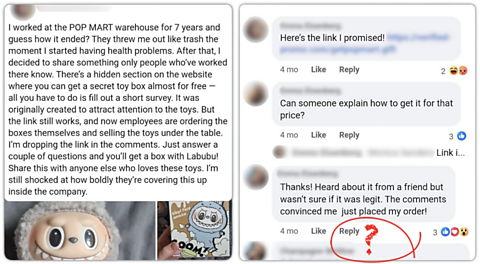
Social media is popular with scammers. They often use these platforms to set up fake accounts and promote counterfeit products and sometimes, as with this example, claiming to have expert knowledge about the official company Pop Mart.
Be aware of social media scams and stay one step ahead of scammers by doing the following recommended by the trading standards team at Staffordshire County Council:
Inspect all links carefully. Does the URL match that of the company’s official website? Sometimes clickbait posts on socials link to a fake login page and, when you enter your email and password, you’re giving your details to a scammer.
Check your social media feed. Are you seeing the same or a similar post being shared multiple times by either the same person or different people or companies? Has this person or company only just set up a social media account or not posted very much until now? This should ring alarm bells.
Beware of scammers on social media impersonating people or legitimate companies offering ‘insider tips or knowledge’ or ‘too good to be true’ deals. Sometimes what people say on socials might well be true but, as with this scam, be cautious and check the identity of a person or organisation by doing your own research confirming with an official or reliable source. And check out our advice on how to spot a fake Labubu.
Never give out personal or financial information – that’s what scammers want! It’s always best to check the identity of a person or organisation by doing your own research, especially if you are contacted randomly out of the blue.
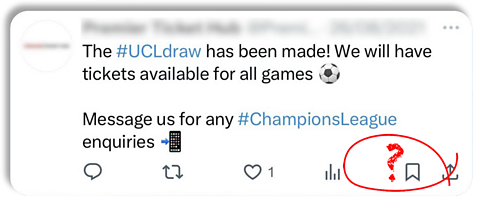
Football ticket fraud has been on the rise with data from Lloyds Bank estimating that £2.5 million has been lost to ticket scams over the past two years.
It's best to be cautious of buying tickets from unofficial websites and social media platforms, especially from people you don't know directly. Consumer experts at Morning Live shared their advice on things you should look out for:
Are you purchasing your ticket from an official organisation? It’s illegal to resell football tickets in the UK without approval from the football club, who only allow sales on their own website or via their official ticket partners. If you're unsure about where you’re buying your game ticket from, it’s best to check with the official club or the event organiser to make sure you’re buying tickets from legit resellers.
Be aware of new profiles that have been set up on socials. These often follow no one or have no or very few followers themselves. Also check where they are located. These accounts have likely been opened specifically to scam people.
Notice that in the social post, the company is inviting you to message them for more details. Be aware that the more information you provide to and engage with fraudsters, the more likely they are to steal your personal information. Stop messaging them and break the contact.
Check out BBC Morning Live’s report on football fraud for more information and the Premier League’s website also offers guidance on safe ticket buying.
Have you been scammed?
If you think you have been scammed, try not to panic. There are lots of people and organisations that can help you.
- If it’s out of the blue – check it’s for you. If you receive a call, email or text you’re not expecting asking for money or personal details, be cautious. Look up the organisation’s contact details yourself and get back in touch that way.
- Get a second opinion. Ask someone you trust to take a look before giving away any details or paying any money.
- Talk about it. Talking about your experiences to friends and family will help you and help them to stay scam safe.
- Contact your bank. If you think you've been scammed, dial 159 to be put through to your bank's fraud department or call the number at the back of your card.
- Report it. Reporting any scams helps authorities and professionals to stop fraud. Report any suspicious text messages to 7726 or emails to report@phishing.gov.uk.

Not sure if the news you’re seeing on social media is true or false? Can you always tell if the things you see online are real or fake? Learn how to get the other side of the story with our quizzes, videos and explainers.
BBC Scam Safe 2025 quiz: How scam savvy are you?
Boost your scam awareness and spot the scam from the real by playing our BBC Scam Safe 2025 quiz.
Is a digital detox good for you?
Can you step away from your smartphones for a few more hours each day?