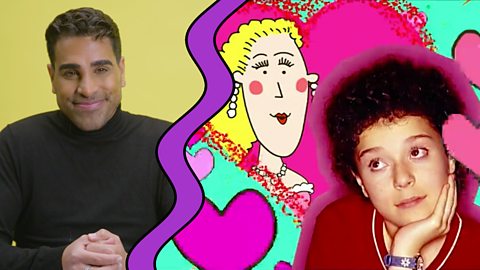
Three generations of the same family sit around a table - what can they learn from each other?
According to a poll by Parents' Toolkit and Netmums, 49% of parents still feel that there is a stigma around their child having a mental health problem.
In this film, TV presenter and NHS clinician Dr Ranj reacts to real families as they play Never Ever Has My Child… and discuss what their responses say about parenting and attitudes towards mental health today, compared to previous generations.
Dr Ranj: Hi everyone! I’m Dr Ranj and this is Dr Ranj Reacts. BBC Bitesize Parents’ Toolkit have made a series of films where three generations of the same family play a game of Never Ever. So, I’m going to check out what they have to say and react to what they’re telling us. Let’s go!
CLIP ONE
Dr Ranj: I bet you there’s stuff they’ve said to each other that they’ve never said before!
Question One: ‘Never Ever has my child been unable to share their feelings.’
Father: I was never able to share my feelings. It was seen as ‘Oh, just shut up’ you know, ‘Oh that can’t be true’ ‘Oh, in our days it was far more difficult’ – and we always – I always used to get those sort of responses, so I never bothered. So I just kept my feelings within myself. Whereas you’re able to share those feelings.
Dr Ranj: One of the key points that’s brought up in that film, is that boys and young men are much more open and able to talk about their feelings now than they ever have been. In the past, there’s been this mentality that you have to just knuckle down and get on with it – stop being ‘weak’, as it were. But fortunately, those attitudes are changing. We have made conscious efforts to educate ourselves and younger people a lot more than we used to. We’ve realised the consequences of not doing it. We’ve seen those things play out.
Dr Ranj: What we need to make sure is that when they open up, we offer them the right help and support.
CLIP TWO
Father: Particularly within the South Asian culture I think there’s like – it’s a taboo thing that, you know, men shouldn’t speak about their feelings, men are – should be leading.
Grandfather: Um-hm
Father: And I think that’s still there unfortunately in many families I find.
Dr Ranj: Actually, they’ve highlighted a really important point. Different cultures will tackle and deal with mental wellbeing and difficulties in very, very different ways. You’ve got certain communities who may not find it as easy.
Dr Ranj: When I was growing up, I – my mum went through a really difficult time, she had quite severe depression when I was in my early teens. We’d never really spoken about mental health difficulties or issues before then. My dad has never spoken about his feelings. As a child, when your family experiences that, it can be really scary if no-one is talking to you about it. And that was the problem. As a grown-up and as a professional, I know completely differently. I just wish I’d known that when I was growing up.
CLIP THREE
Father: I think to be able to share those feelings, it’s vital I think. And, you know, we as parents and grandparents, need to support our children.
Dr Ranj: That clip hits the nail on two separate points. Firstly, sharing and opening up; that is the hardest step when you’re going through a difficult time, but it is yet the most important step. If you cannot manage amongst yourself and your own support network, you can always go and see your doctor for instance. If you can get access to a talking therapy that’s really, really good and there’s a lot of charity support out there as well.
Dr Ranj: As parents, grandparents we need to be there to support our children and our young ones. Your job is not to be a therapist. Your job is actually just to create that safe space where your child or your young person can come and speak to you. And when they do come to you, listen – but don’t judge.
Dr Ranj: Okay, that’s it! I’ve been Dr Ranj and I’ll see you soon!
"Never ever has my child been unable to share their feelings'
In the Never Ever Has My Child… series of films on Parents' Toolkit, children ask their parents and grandparents to answer parenting statements, like 'Never Ever Has My Child… Acted like they know it all', or 'Never Ever Has My Child… Lied about where they are’, with a 'Yes', or 'No'.
Here Ranj is reacting to one father's response to 'Never Ever Has My Child… Been unable to share their feelings'.
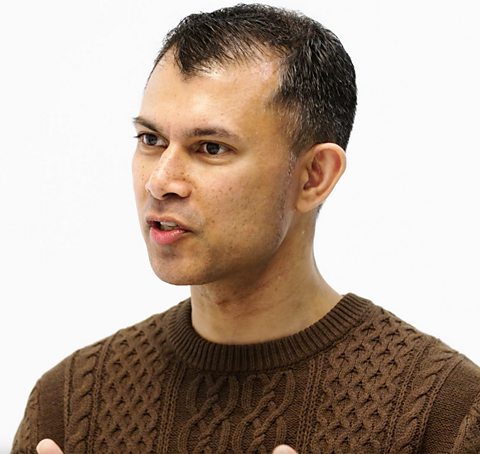
"I was never able to share my feelings. It was seen as ‘Oh, just shut up’ you know. ‘Oh that can’t be true.’ ‘Oh, in our days it was far more difficult.’ So I just kept my feelings within myself.Whereas you (his son) are able to share those feelings."
Dr Ranj agrees that young men and boys have the ability to express their feelings moreso now than ever before."In the past, there’s been this mentality that you have to just knuckle down and get on with it – to stop being ‘weak’, as it were. But fortunately, those attitudes are changing."
Now he thinks a parent's job is to ensure that, when their child does open up, we are there to offer help and support.
In the next clip, the father goes on to say that he feels there is a particular taboo around men talking about their feelings in the South Asian culture, something which Dr Ranj relates to first-hand…
"When I was growing up, my mum went through a really difficult time. She had quite severe depression when I was in my early teens. We’d never really spoken about mental health difficulties or issues before then. My dad has never spoken about his feelings."
"As a child, when your family experiences that, it can be really scary if no-one is talking to you about it. And that was the problem. As a grown-up and as a professional, I know completely differently. I just wish I’d known that when I was growing up."
"As parents and grandparents we need to be there to support our children and our young ones. Your job is not to be a therapist. Your job is actually just to create that safe space where your child or your young person can come and speak to you. And when they do come to you, listen, but don’t judge."

More from BBC Bitesize Parents' Toolkit…
Parents' Toolkit
Fun activities, real-life stories, wellbeing support and loads of helpful advice - we're here for you and your child.

Making a mental health support network to help you & your child
Advice on reaching out for help for you and your child. With tips from mental health charity Young Minds.

How to support and equip parents to talk about their child’s mental health
Consultant child educational psychologist Laverne Antrobus has tips to support parents in talking about mental health with a child.

How to support your child through difficult behaviours
Life coach Aisha, who supported the young candidates on Idris Elba's Fight School, explains how parents can avoid rows and start productive conversations.

Dr Ranj Reacts to Waterloo Road
We played Dr Ranj some clips from TV drama Waterloo Road - he reacts to themes in the episode that reflect some of the mental health issues in schools today.

Dr Ranj Reacts to The Story of Tracy Beaker
Dr Ranj watches clips from Episode 1 of the CBBC classic - talking through issues the kids face and offering parents advice on dealing with similar problems.