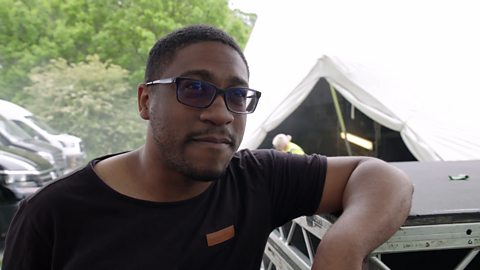
So you know you want to work in the music industry, but how do you make the most of school first, before you take that leap?
BBC Bitesize asked some music professionals attending BBC Music Introducing Live 2019 for their top tips on surviving school when you just love music.
Ray Pope: I think to be honest, is a difficult thing to pinpoint what things are going to be right and appropriate for music industry because it's such a broad spectrum of roles you can do. If you've been to university, that's awesome. If you haven't and you've got University of life experience, that is just as valuable. We are indiscriminate about who we hire, we just wanna hire people that are music obsessives.
Jake Gosling: I guess studying media at Uni was like a real help because it gave me an insight into you know, with music it's so important now with social networks with Instagram and Twitter and all these other things to try and get your music out there, so what a degree, so of gave me was a way to sort of like understand how I promote my music, understanding the other side of the industry is also really important.
Lucy Wood: I think English is a really good one because in order to be able to communicate well with people on email you want to be able to send good emails that can look concise and make sense.
Tony L: If you want to sort of help on the kind of writing and the sort of creative side then obviously English is going to be great and having an understanding of literal sort of reference points is very helpful when your giving incredible artistic advice to artists.
Lucy Wood: I think helpful things probably would be maths because you have to do a fair amount of budgeting and working out what you can afford.
Lauren Down: That is the one that comes back and bites me every time because now I'm you know, I'm running spreadsheets and I have to wrap my head around things that I probably struggled at sixteen to do.
Novelist: Chemistry, biology and I enjoyed physics. I feel like my musical careers kinda tied into physics because we're dealing with frequencies.
Christian Wright: I was terrible at science and really to be an engineer, I should be amazing at physics and I got a D, so there's so much to learn from school but I actually think the interaction with people has been a big part of my job.
Maria May: Analytical skills, strategic skills that I learnt at school are really important for this job. Understanding a subject, being able to disseminate it, being able to talk about it, being able to present it, have an argument for and against.
Paul Epworth: If you love doing something, It doesn't… It's not an effort is it? So if you… If you kind of had the dedication that you would've if it was your hobby, and you can just keep working hard, you're halfway there.
Trevor Nelson: I said that, until I make more money from my hobby, it will always be a hobby, and then came the day I did make a bit more money from my hobby than my normal job, and that's when I became professional.
“There’s so much to learn from school, but I think the interaction with people has been a big part of my job”. – Christian Wright
Five top tips for surviving school when you just love music:
1. Try and concerntrate in English…
Tony L is co-founder of Transgressive Records. He says: “If you want to help on the writing and creative side, then English is going to be great. And having an understanding of literary reference points is very helpful when you’re giving credible artistic advice to artists.” Lucy Wood is a talent buyer for Latitude Festival. She says: “In order to communicate well with people on email, you want to be able to send good emails that are concise and make sense.”
2. … and Maths!
Talent buyer Lucy says Maths is helpful: “Because you have to do a fair amount of budgeting and working out what you can afford.” Lauren Down is managing director of End of the Road Festival: “That is the one that comes back and bites me every time, because now I’m doing spreadsheets and I have to wrap my head around things that I probably struggled to do at 16.”
3. Science can help (but don’t worry if you can’t do it)
Musician Novelist says: “I feel like my musical career is kind of tied into Physics, because we’re dealing with frequencies.” Christian Wright is a mastering engineer at Abbey Road Studios. He says: “I was terrible at Science. Really to be an engineer I should be amazing at Physics – and I got a D. There’s so much to learn from school, but I actually think the interaction with people has been a big part of my job”.
4. Degrees can be useful (but are not essential)
Producer and songwriter Jake Gosling says: “Studying Media at uni was a real help because it’s so important now with social media to try and get your music out there. A degree gave me a way to understand how I promote my music.” Ray Pope is head of talent acquisitions at Universal Music. She believes there is: “Such a broad spectrum of roles you can do. If you’ve been to university, that’s awesome. If you haven’t, and you’ve got 'university of life' experience, that is just as valuable.”
5. Your hobby outside of school can become your job
DJ and broadcaster on BBC Radio 1 Xtra and BBC Radio 2, Trevor Nelson, says: “There came the day when I made a bit more money from my hobby than my normal job – and that’s when I became professional.” Record producer Paul Epworth says: “If you love doing something, it’s not an effort is it? So, if you have the dedication that you would if it was your hobby and you can just keep working hard, you’re halfway there.”

Kojo: Music director. video
Kojo was the music director for Stormzy's Glastonbury set.
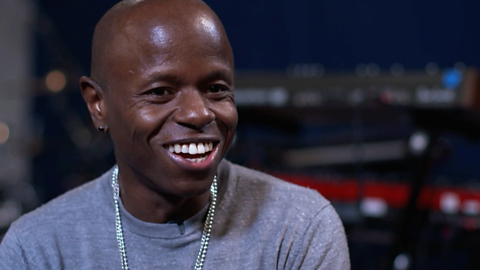
Tasha: marketing manager. video
Tasha helps artists build up a brand around their music.
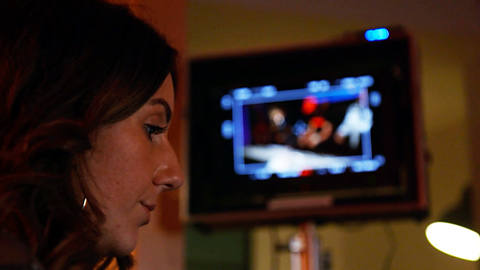
Raphael: sound engineer. video
Raphael works with artists including Stormzy, Hamzaa and Tinie Tempah.