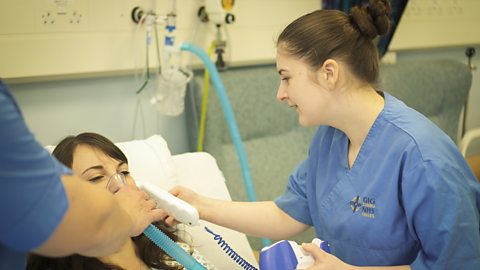
Meet Emily, 23, and learn more about life as an ambulance dispatcher. Part of our Bitesize world of work series.
Emily:
I'm Emily, I'm 23 and I'm an ambulance dispatcher.
I dispatch the ambulances for central Manchester. Normally I would look after around twenty ambulances a shift. We have a list of jobs on our screen and we also have a list of ambulances and what they're doing. So when there's a free ambulance, we can send that ambulance to the job.
On this side is all the ambulances that we have in central Manchester and what they're all doing. These ones up here are the ones waiting for an ambulance. This one is a Category one call that's waiting for allocation. The most critically ill patients will receive a Category One. So they get allocated on first. I'm just going to have a look to see who's the nearest available ambulance is. We have to communicate really well with people in the room as well as the crews on the radio.
Ambulance 343, you've just been broken for a cat 1 at the airport. It's a one year old male cardiac arrest. Dan? They're heading down to the airport. There's heavy traffic down there though.
Dan:
I've just asked the ambulance to keep running…
2969, go ahead. Yep, no, that's no problem at all that.
Emily:
Dan, did you get an update on that baby cardiac arrest?
Dan:
Hm yeah, no, he said it was… The job went very well. It was like a convulsion. He said on that one. So there was good communication all around. It sounds like a good outcome.
Emily to work with, she's a great member of the team. She can communicate with anybody, the crews, the general public or the dispatchers. She's always enthusiastic when she's doing her job.
Emily:
I did languages at school, which I think has really helped me as a dispatcher as it gave me practice to communicate under pressure, think on my feet and be able to give an answer when there's an unexpected question. Whilst I was at college it was sort of the norm to go to university. I just didn't feel like it was for me. My parents have always worked for the ambulance service so it has always been a massive part of my life. My dad has always come home and told me stories which I suppose have been quite inspiring.
Hello!
Emily's mum:
Are you ok? Did you have a good day?
Emily:
It's not been too bad. We thought there was going to be a cardiac arrest but it turned out to be a fit. This is the only bad job we've had really. The most satisfying thing about my job is knowing that at the end of the day I've helped a family just like mine.
The most satisfying thing about my job is knowing that, at the end of the day, I've helped a family just like mine.
- Helping people runs in the family. Both her mum and dad work for the North West Ambulance Service, and Emily decided to follow suit and become an ambulance dispatcher
- Emily studied Spanish at A-level and loved the fact that she could communicate with others in different languages. She wanted to use these skills in the workplace – in dispatch, communication is key!
- Multi-tasking is crucial in her role as Emily is the main point of contact between the ambulance crew and the control room and must make sure she dispatches the ambulance to the most critical patients quickly.
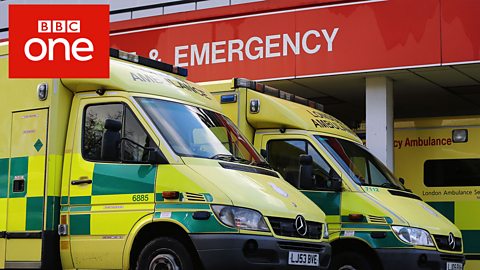

Ambulance dispatchers are sometimes referred to as emergency medical dispatchers. They handle calls from the public and GPs requesting an ambulance.
What to expect if you want to be an emergency medical dispatcher
- Emergency medical dispatcher salary: £25,000 to £30,000 per year
- Emergency medical dispatcher working hours: 37 to 42 hours per week. You could work shifts which could include evenings, weekends and bank holidays
What qualifications do you need to be an emergency medical dispatcher?
You could get into this role via a college course, an apprenticeship or applying directly. Having some relevant experience is important, so you could look into volunteering opportunities. Check your local NHS trust for advice about opportunities.
Sources: National Careers Service
This information is a guide and is constantly changing. Please check the National Careers Service website for the latest information and all the qualifications needed.
For careers advice in all parts of the UK visit: National Careers Service (England), nidirect (Northern Ireland), My World of Work (Scotland) and Careers Wales (Wales).
Find out more
The Bitesize Careers Podcast
Katie Thistleton, inspiring young guests and career experts chat all things careers.
Tips and advice
Help with interviews, writing a CV and other skills for work.
Khadija: first aider
Khadija uses her medical knowledge to teach young people first aid.
Tanoh: paramedic. video
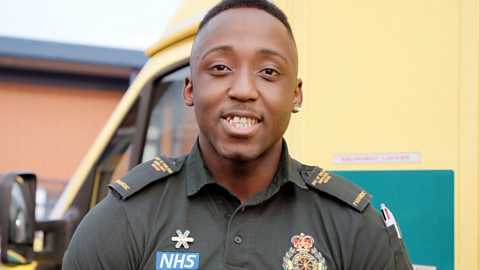
Tanoh's a paramedic in the NHS.
Sarah: critical care staff nurse
Sarah works as a staff nurse in a critical care unit in Cardiff.