Meet Tom to find out more about life as a pizza business owner as part of our Bitesize world of work series.
The Maths I learnt in school definitely helped a huge amount with getting to this point.
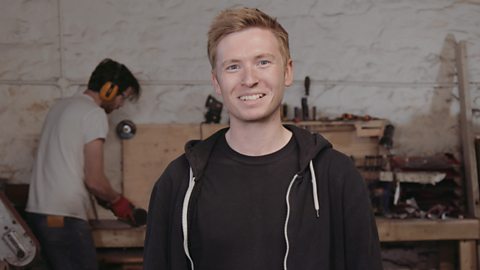
I’m Tom, I’m 22 and I set up a pizza making business.
We run mobile sites through the summer so from June all the way through to September. I’m outside at pop ups sort of making pizzas. It’s kind of like an outdoor kitchen.
When I was 15 I wanted a summer job but I didn’t really want to work for somebody else. So I thought what can I do on my own? I had about £100 in my bank and I basically used it to buy a £100 worth of ice cream and so I went to a nearby beach with the ice cream, used a freezer from a farmer and just sold it for a summer.
By the end of the summer I’d earned enough to buy a surf board, a pizza oven and a coffee machine and that was what led onto me starting my own business.
I did GCSEs in Braunton, North Devon where we are now. So much of my life and so much of everything I do involves maths, like cash flow and profit and turnover and projections and just everything I do, I do all the accounts which is so useful because accountants cost a fortune. So me being able to do the accounts is just one of the many benefits of enjoying maths.
If at the end of the summer we haven’t done the figures right, it could have severe consequences and we could go out of business.
So it's really important we have the year-on-year figures so I know how much stock I need to buy in, how many people I need to hire. Maths I learnt in school definitely helped a huge amount with getting to this point.
Did I ever think I’d get this far? I definitely hoped I would I didn’t expect anything. I get to make pizza and I get to work with friends so it's kind of a win win.
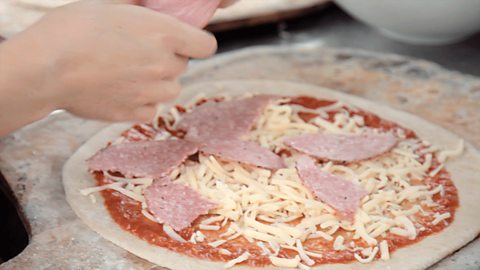
Tom enjoyed Maths at school and had a head for business. At 15, he used all of his savings (£100) to buy some ice cream and sell it at a beach. Using the profit, he bought the first bits of equipment for his pizza business Stoned, which has been growing ever since.
Tom uses maths every day to run his business. For example, he calculates cashflow, profits, turnover, projections, how much stock to buy and how many people to hire.
He also saves a lot of money by being able to do his business accounting himself! Without his knowledge of maths, Tom wouldn't be able to keep his business running smoothly.

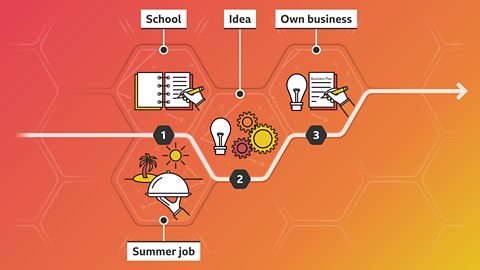
What to expect if you want to be a business owner
The salary and working hours when you own a business can vary enormously but what's most important is that you work hard and love what you do.
Working for yourself looks different for each person and each business, but in general it means you:
- run your own business and are responsible for its success
- can decide how, when and where you do your work
- charge an agreed, fixed price for your work
- sell goods or services to make a profit
- can hire people at your own expense to help you or to do the work for you.
You can be both employed and self-employed at the same time. You can work for your employer during the day, for example, and run your own business in the evenings and at weekends. It’s important to contact HMRC for advice if you’re not sure if you’re self-employed.
You can get help with setting up or developing your business, through the government’s business support services, for example, for advice about tax or about how to find funding to start your business.
This information is a guide (source: GOV.UK).
For careers advice in all parts of the UK visit: National Careers Service (England), nidirect (Northern Ireland), My World of Work (Scotland) and Careers Wales (Wales).
Poppy: beauty retail business owner
Poppy runs her own skincare business online.
Dan: kitchenware maker. video
Dan runs his own business making kitchenware.
Gemma: fashion designer
Gemma launched her own fashion brand.