Age
17
In my job
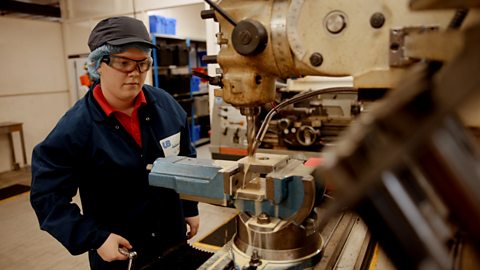
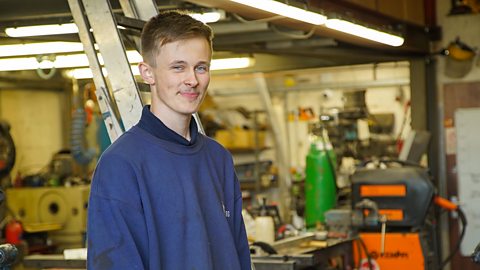
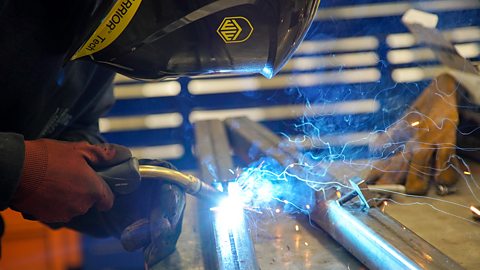
As a welder I join metal together using heat and machinery in a workshop. Day to day I can make anything from tiny metal components to a four metre gate. I use a lot of manual handling skills, and need very good hand-eye coordination skills as well as wearing protective clothes to be safe. My job also includes a lot of mathematical tasks, like working out distances.
At school
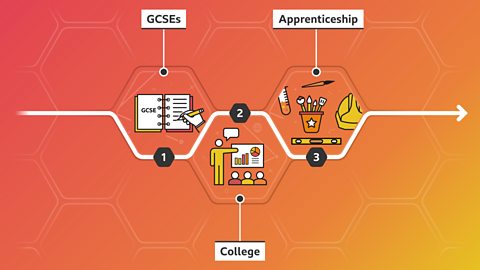
I took GCSE Engineering and gained a basic level of understanding of how to use hand tools. It gave me basic knowledge of engineering. I left in year 11 after my GCSEs and worked all summer.
At college
I went to do Engineering full time at college but after two months I decided an apprenticeship, would be a much better path for me to take, and I found one with a company called Artisan Engineering Services. So I switched courses at the same college, and now get paid as well as learning the key skills I need to do my job.

Working for a small friendly company has given me a great work ethic, and I take pride in my work.
Top tips
You don’t necessarily have to go to university and do a job where you have to wear a suit. You can make money in other ways, and sometimes you can make even more money than those who have gone to university!
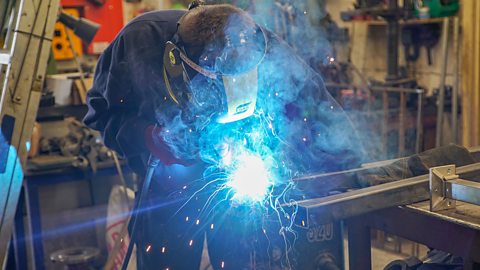

What to expect if you want to be a welder
- Welder average salary: £25,000 to £45,000
- Welder typical working hours: 40 to 46 hours per week
What qualifications do you need to be a welder?
You could get into this role via a college course such as a Level 2 Award, a Level 3 Diploma, or a T-level in Engineering, Manufacturing, Processing and Control (England-only). You can also do an advanced apprenticeship, apply directly if you have experience, or do specialist courses run by private training organisations.
Sources: National Careers Service, GOV.UK
This information is a guide and is constantly changing. Please check the National Careers Service website for the latest information and all the qualifications needed and the GOV.UK website for more on T-levels
For careers advice in all parts of the UK visit: National Careers Service (England), nidirect (Northern Ireland), My World of Work (Scotland) and Careers Wales (Wales).
Work experience in your area
Find work experience placements with Workfinder.
Tips and advice
Help with interviews, writing a CV and all things work experience related.
Careers in manufacturing collection
Find out what you could expect from a role in the manufacturing sector.
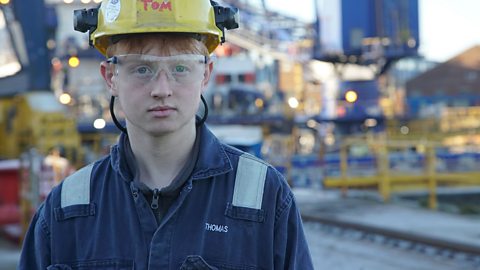
Tom: apprentice steel fabricator
Tom builds steel structures at a shipyard.
Rachael: apprentice technician. video
Rachael keeps the production line at the Jaffa Cake factory running.