The depths of our oceans are full of creepy organisms that wouldn’t seem out of place on a cinema screen, but actually go about their lives without most people being aware of their existence.
Bitesize takes a closer look at eight of these fascinating creatures - but you might want to avoid eating while reading on.
Sea lamprey
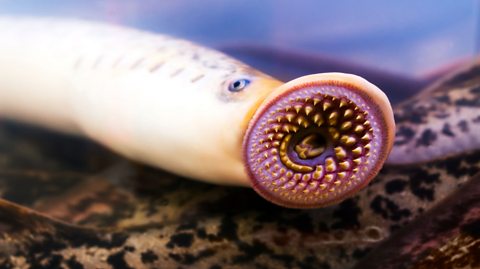
With their teeth-filled circular sucking mouths, it’s no surprise these brown-grey fish have been given the nickname “vampire fish”. As parasites, they sucker themselves to other living creatures and feed on their host’s body tissues.
Shaped like eels but with no fins or jaws, they breathe through holes located behind their eyes. Their larvae are spawned in the mud of large rivers, but then migrate to the sea where they spend most of their lives until, as older adults, the sea lamprey return to the rivers to spawn. They then die.
They’re an ancient species too. Incredibly, sea lamprey fossils have been discovered that date back to around 450 million years ago.
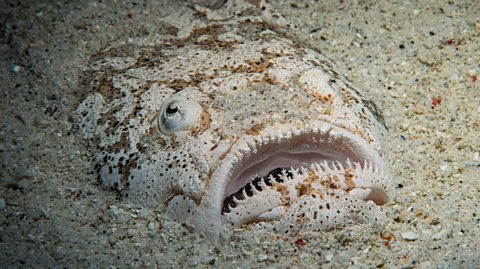
Stargazer fish
Despite their romantic name, these fish are ugly fellows. Positioned on the top of their heads, their eyes are not used for admiring the constellations but for spotting prey. Stargazers bury themselves in the sand to camouflage their grey-brown bodies - but their eyes poke up above.
They use a strip of skin protruding from their lower jaw to tempt hungry fish and then… snap! They quickly bend their spine and lunge for their dinner.
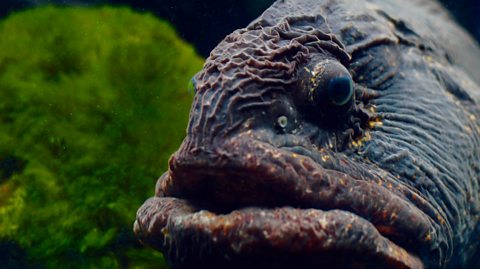
Deep sea lizard fish
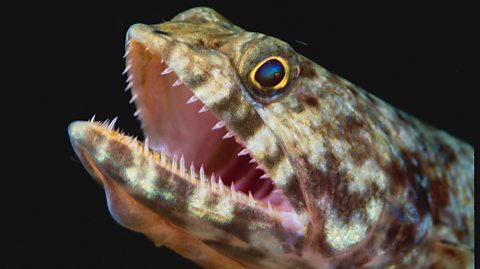
Fans of Tim Burton films might feel a rush of déjà vu when encountering a deep sea lizard fish. With their wide mouths, filled with sharp spikes, and black, staring eyes, they resemble some of the film director’s weirdest creations.
These predators are found in waters deeper than 3,000 feet all around the globe - except at the poles where it’s too cold. The sun’s rays can’t reach to this depth, so they have evolved to survive in darkness. Usually growing to a length of 40-60cm, they are simultaneous hermaphrodites, meaning they can mate with any other deep sea lizard fish they meet instead of having to hang about for one of the opposite sex.
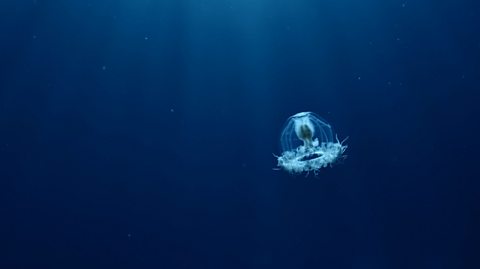
The bloodybelly comb jelly
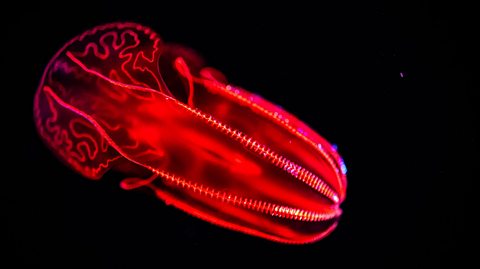
Take a look at the photo below. Do you find it hauntingly beautiful or think it resembles a large blood clot? The bloodybelly comb jelly truly is the Marmite of jellyfish.
They come in different shades of red, but always have a blood-red stomach, and use tiny, transparent hair-like structures called cilia to propel themselves through the water. The light refracts and diffracts off the cilia, creating a glimmering effect. But at the depths they usually live, it’s too dark to see this mesmerising display.
Deepsea giant isopod
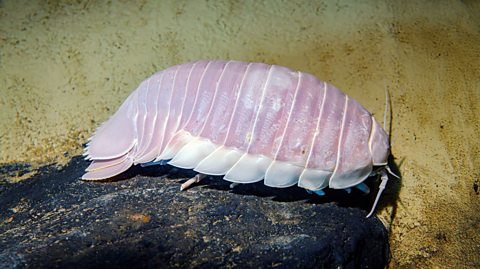
If an enormous woodlouse was to make a guest appearance in Jurassic Park, they would look like one of these. Deepsea giant isopods have 14 legs and can grow to more than 30cm long.
They are scavengers, so their meals are made up of scraps of food that has fallen to the seabed from the surface - things like crab flesh, marine worms and dead sea creatures.
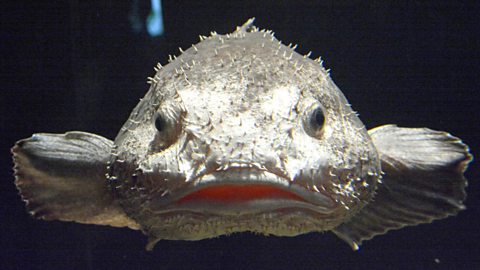
Blobfish
You know when you snap a quick selfie that you immediately want to delete from your camera roll? Well, blobfish have a similar problem. Photographs of these creatures taken at the water’s surface show them with wide, flat heads, droopy mouths and saggy noses, but that’s because they rely on the extremely high pressure of the water thousands of feet below to hold their bodies’ shape together.
You wouldn’t survive trying to visit one in their natural habitat, because the pressure is 100 times stronger there than on land, but let’s say you did, you would notice blobfish are more tadpole-shaped.
Sarcastic fringehead
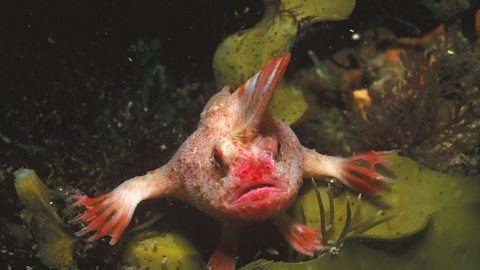
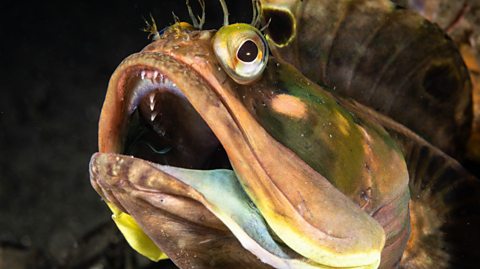
If there was a prize for the best-named fish, this would surely be an easy winner. Found along the Pacific Coast of North America, the sarcastic fringehead is so-named because of its surly expression and appendages above its eyes.
Highly territorial, these creatures are very aggressive and attack anything - or anyone - that comes close, particularly when protecting a female and her eggs.
Sloane viperfish
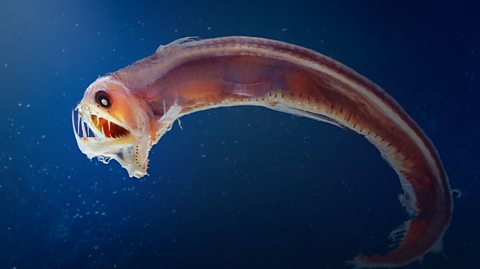
At night, sloane viperfish migrate to the ocean’s surface to hunt, where they stay completely still - mouth open, fangs out. When a fish swims close, they unhinge their skulls, open their jaws to 90 degrees and expand their stomachs ready to fit their meal inside.
Like many deep sea creatures, they have photophores or light-producing organs along their bellies that flash blue-green or yellow lights to attract prey or confuse their own predators.
This was published in July 2025
Why do we find these ordinary things creepy?
BBC Bitesize explores why ordinary objects can sometimes have creepy connotations.

Fabulous scientific facts - chosen by scientists
The finest undersea teamwork, metallic rain and the fish that could help us reach Mars

Three 'immortal' creatures that have fascinated scientists for decades
These animals seem to have cracked the code to stop, or even revert, ageing.