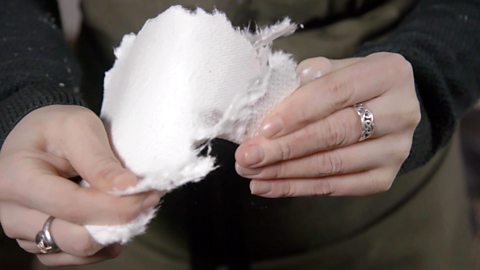
Meet Varis, 19, and find out about his life training as an apprentice silver spinner with The Goldsmiths' Centre in London. Part of our Bitesize world of work series.
Varis:
I'm Varis, I'm 19 years old and I'm an apprentice silver spinner. Being a silver spinner involves turning flat sheets of silver into solid objects like trophies, cups, and, at the moment, we're making a helmet.
To create an object from silver, first, we need to get in the drawing and figure out the materials needed to make it. Once we get the materials, then we can start cutting away from a big block of aluminium or nylon to create a shape. Then we can finally start spinning. We use spinning because it's a quick and easy way to create a round shaped object out of silver with a nice, smooth finish.
People often think of metal as being hard and cold but, the way I work with, it actually gets quite hot and soft, almost like working with clay. I always enjoyed making things out of wood or even just playing with Lego. So at school I preferred the practical subjects and for my GCSEs I chose Textiles and Metalwork. My teacher saw that I had a natural ability working with metals and introduced me to The Goldsmiths' Centre to continue my studies.
Doing this apprenticeship means I get to learn on the job and earn money whilst doing it. I'm the first silver spinning apprentice in 28 years and my boss, Stuart, was the last one before me.
Stuart:
Varis joined me on a work experience for two weeks. And that's when I decided to offer him the chance of an apprenticeship. He always listens and paid attention and he's been able to bring the likes of 3D printing and using the computer for designing. So that's brought his skills into this trade and helped me modernise my business.
Varis:
In the future, I see myself as an important part of the business, and silver spinning being a career for the rest of my life.
I'm the first silver spinning apprentice in 28 years and my boss was the last one before me!
- Being a silver spinner means transforming flat pieces of silver into solid objects, like trophies and cups
- Varis is an apprentice silver spinner which means he's working and studying at the same time
- Varis preferred practical subjects at school and enjoyed studying Design and Technology at GCSE
- A teacher noticed Varis' talent for working with metal and introduced him to the company he works for today.

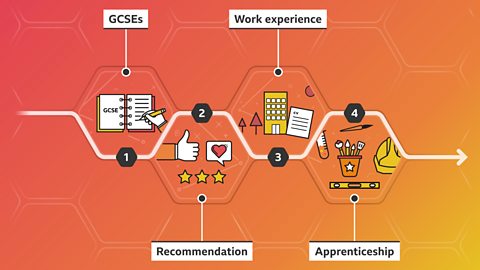
A similar role to a silver spinner is a silversmith. Silversmiths plan and create jewellery, silverware and other decorative products.
What to expect if you want to be a silversmith
- Silversmith average salary: Variable
- Silversmith typical working hours: 40 to 42 hours per week
What qualifications do you need to be a silversmith?
You could get into this role via a university course, an apprenticeship, a college course (such as a T-level in Craft and Design – England-only), or through specialist courses run by professional bodies such as the British Academy of Jewellery.
Sources: National Careers Service, GOV.UK
This information is a guide and is constantly changing. Please check the National Careers Service website for the latest information and all the qualifications needed and the GOV.UK website for more on T-levels.
For careers advice in all parts of the UK visit: National Careers Service (England), nidirect (Northern Ireland), My World of Work (Scotland) and Careers Wales (Wales).
Work experience in your area
Find work experience placements with Workfinder.
Tips and advice
Help with interviews, writing a CV and all things work experience related.
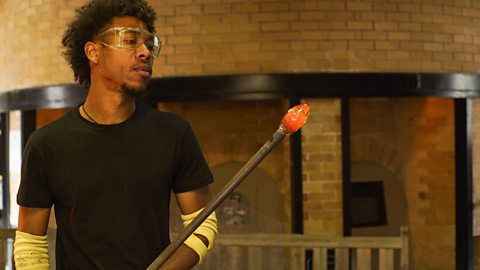
Jahday: glass-maker
Jahday makes eye-catching glass work.
Starting work as an apprentice
The Mind Set coaches share their experiences of their apprenticeships.

Zoe: paper maker. video
They are an apprentice in a traditional paper mill.