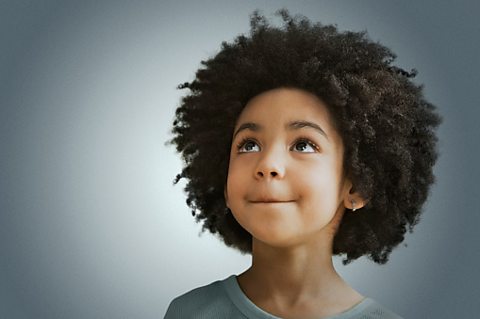
There are hundreds of thousands of social media posts discussing Afro hair, with over four million posts using the hashtag #afrohair on Instagram and almost 450,000 on TikTok alone.
With such a high volume of content, it is almost inevitable that some of the information shared may not be accurate.
BBC Bitesize Other Side of the Story spoke to Teleica Kirkland, lecturer in Cultural and Historical Studies at the University of Arts London and Michelle de Leon, founder of World Afro Day to discuss common afro hair myths and the history behind it.
Myth 1: Afro hair is unprofessional.
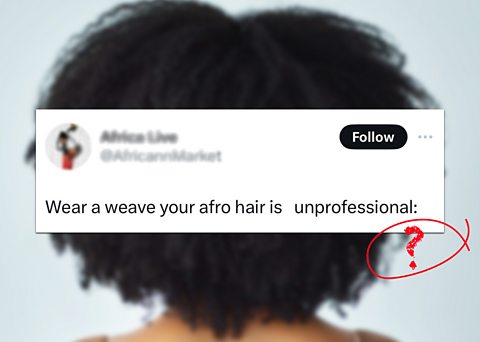
Afro hair is incredibly versatile and can be styled to suit a work environment, just like any other hair type. The belief that afro hair is unprofessional in the workplace is rooted in biased beauty standards that favour Eurocentric hairstyles.
A 2023 Workplace Hair Acceptance Report by World Afro Day found that 84% of respondents considered straight hair on women appropriate in all circumstances, while 64% felt that an Afrocentric hairstyle, such as braids with buns, was acceptable.
“Women like Grace Jones in the 80s was really out there showcasing black womanhood with her signature hairstyle,” says Teleica. “For me as a young black girl at the time I needed to see black women not just trying to conform to what was acceptable and doing what they wanted to do.”
“It's nonsense,” says Michelle De Leon, founder of World Afro Day. “Strands of hair don't determine professionalism and no one is born professional because they have straight hair. Your skills and attitude make you professional, not your hair!"
Myth 2: Afro hair is difficult to manage.
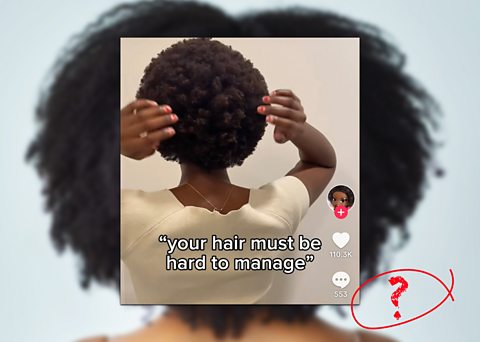
Alongside “unprofessional”, Michelle says this is another prevalent myth surrounding afro hair.
“Natural afro hair can take longer to wash than other straighter hair types but it can also do way more things so there are many benefits. It is more about having a positive perspective.”
“Our hair isn’t problematic, we just haven’t been taught how to look after it properly,” says Teleica. “It’s important to know that afro hair does not behave in the same way as straight hair. But once you know and understand the structure of your afro hair you can manage it better and find products that work for you.”
So, “do what you want with your hair; young black people should feel good about themselves and their hair.”
Myth 3: Afro hair doesn’t grow as long.
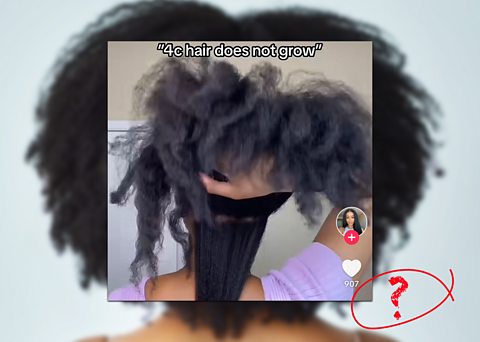
Afro hair can grow long like other types of hair however, its curly texture can make it appear shorter. This is known as shrinkage (which is completely normal) and can contribute to the misconception.
Research has also shown that afro-textured hair grows more slowly than Caucasian hair (this refers to people who are white-skinned and of European origin).
Understanding this can help clarify how afro hair growth is perceived versus its actual growth rate.
“The idea that black people can’t grow long hair is a fallacy” Teleica explained.
However, Teleica explained that afro hair growth can be impacted by factors like dryness. When there is a lack of moisture in the hair strands, it can lead to breakage.
Being aware of these myths and facts is crucial in challenging the negative stereotypes surrounding afro hair.
How have afro hairstyles changed over time?
Afro hair has a rich history. Teleica shared that relaxers (chemical treatments that changed the natural structure of hair) were used in the early 20th century in attempts to straigten afro hair.
“Around the 1930s we see the rise of Rastafari “locs”, known as dreadlocks, and popularity of them. By the time we get to the mid 20th century, styles like the afro are used as a symbol of power.
“By 2010, we have a myriad of different styles: weaves and extensions which have been around for years…people are wearing their natural hair however they want."
What legal protections and workplace discrimination acts are in place?
In the UK, the Equality Act 2010 protects against discrimination based on race, ethnicity, or religion, which includes natural afro hairstyles. Schools and workplaces are required to ensure their policies do not discriminate against afro hair.
But Michelle believes this doesn’t go far enough and is calling for a change to the Equality Act to protect Afro hair.
She added: "We simply do not have the right laws in the UK to stop generations of afro hair discrimination from continuing. I hope that Britain can lead the world in doing what is right, so that people of African descent can live as free as anyone else.”

Not sure if the news you’re seeing on social media is true or false? Can you always tell if the things you see online are real or fake? Learn how to get the other side of the story with our quizzes, videos and explainers.
Super Bowl half-time show: Headliner rumours and Bad Bunny backlash
Adele and Taylor Swift were rumoured - but it's not them