With inventions and innovations including the telephone, Morse code, texting and the postal service, we humans may be a bit smug about cornering the whole communications side of things.
But when it comes to the many remarkable ways members of the animal kingdom keep in touch with each other, our overconfidence needs to be kept in check. To explain why, BBC Bitesize spoke to some experts in animal behaviour who shared some of these amazing methods of getting the message across.
There’s something I’ve just got to say
Humans may love to catch up over coffee for a gossip about this, that and the other, but in the animal kingdom, they’re just far too busy for that sort of thing. Dr Leah Williams is a lead conservation scientist at Chester Zoo, who explained that although animals may communicate with other species - for example, letting a predator know they’re not very tasty to eat - when they speak to their own species, it’s usually for specific reasons.
“Most importantly,” Dr Williams began, “it’s to find mates. Even if they’re solitary creatures, they’ll need to come together at some point to reproduce.”
Dr Williams added that defending territory is key, which can be achieved through sound or, depending on the animal, even scent (lions do this, using their urine to mark their home turf). If a pack of animals live together, they will use different signals to coordinate movement from place to place, especially when alerting the group to predators. Another key area for communication involves caring for offspring, particularly when young animals need to let their parents know what they need. To explain further, here are some specific examples of animal chatter.
Vervet monkeys know the only way isn’t up
These small primates have their home in East Africa. They’ve been the subject of research into how they speak to each other - especially their different alarm calls.
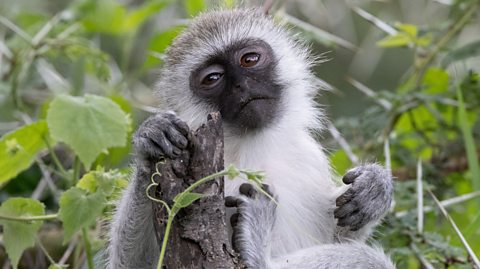
Dr Williams said: “There are three different calls depending on what predator is nearby. The other group members understand it and know how to react to it.
“They’ll do an alarm call if it’s a bird of prey. If there is one coming, they’ll all climb down from the trees. If there’s, say, a leopard nearby, there’ll be a leopard alarm call and they’ll all climb up the trees. They also have a different alarm call for snakes, so if there’s a snake around they will stand on their feet.”
Cassowary birds may talk underground
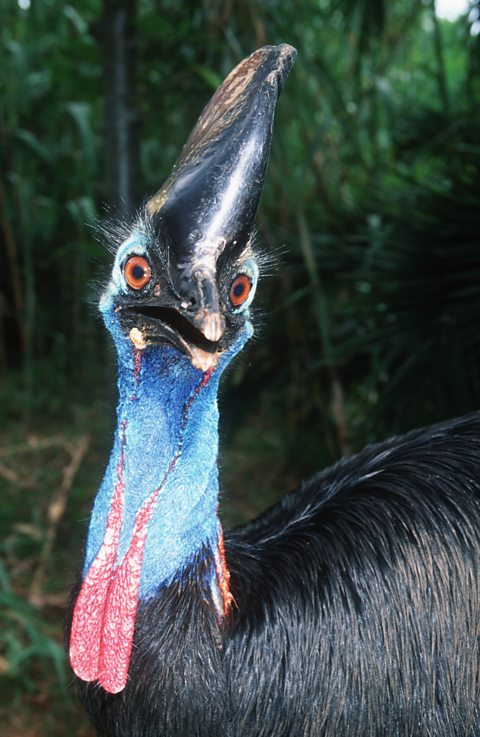
With distinctive blue faces and red neck markings, cassowaries are flightless birds found in tropical forests in south east Asia and Australia.
They have also been part of research which suggests they could communicate via something called infrasound. This is similar to the seismic waves created by an earthquake and has a frequency below that detectable to the human ear, although it can be felt as a vibration in some cases.
“We have found by putting recorders in with them that they actually call in infrasound,” said Dr Williams. “A handful of species communicate this way.”
Elephants are another animal that use infrasound to communicate over long distances below ground, which could explain why cassowaries may use it too. Dr Williams continued: “Cassowaries live in dense rainforests, so in order to find a mate, they need to have a signal that will travel really far, a deep call that other cassowary will pick up. They are solitary… they’re not just going to run into another cassowary by chance at the right time, so they can communicate that they’re interested in mating.”
How many accents do frogs have?
In some countries, there are many different species of frog, far more than we have in the UK. This can make for some very interesting conversations around the pond.
Dr Williams said: “Sound in frogs is really important. That is how they mostly communicate with each other.
“In somewhere like Madagascar, where you’ve got 50 or 60 species in a pond - they need to have different calls to each other. It’s a mating call, they will call based on their species, so they have to learn how to call each other.”
The importance of the different frog ‘dialects’ is taken seriously by conservationists like Dr Williams. They ensure frogs know what these calls are, so they are able to mate when reintroduced to the wild.
The trail of the lonesome slug
Not every creature is able to call out to a potential mate. They might not be the speediest kid on the block either when it comes to catching up with a date.
That’s why slugs, as Dr Gordon Port of the University of Newcastle will tell you, talk with their trails.
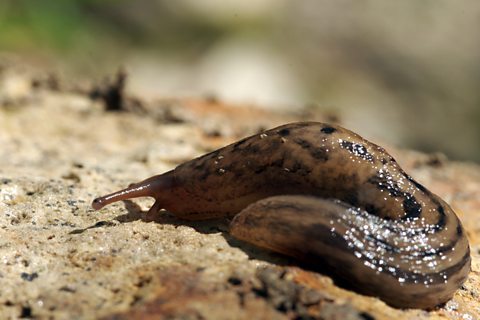
“It’s all down to the chemicals in the trail and the slime they leave behind,” he explained, adding that communication is all about slugs finding one another to mate.
He continued: “It’s not clear what information is in these trails… it’s probable that they don’t lay a permanent chemical signal. Even if you’re able to see a trail that is a few days old, the chemical evaporates and degrades.”
What does happen is that a slug coming across the trail of another will follow it in pursuit of a potential mate. Even then, they’re full of surprises, as Dr Port explained: “The cunning thing is, if they come across a trail, they’ve got a choice of following it left or right, they almost always follow in the direction that the other slug has gone rather than going the wrong way. You’d expect a 50/50 chance but 90 per cent of them go the right way.”
One theory for this is that the slug can tell the pattern of the mucus on the particles of the soil and work out which direction its fellow slug took.
This article was published in June 2023.
The Green Planet: Six amazing shots that tell a story
Check out these shots from the new BBC One series and the stories behind them.