While a number of us have worked on the frontline during the pandemic – nursing, teaching, caring or working in services – there are lots of people who have worked from home, many of whom may now have mixed feelings about going back into the workplace.
Some can’t wait while others are feeling anxious. This anxiety can affect the whole family. Many parents and children have become used to the routine of being at home together, so this next phase will be another period of adjustment.
What can you do to help your children – and you – adapt to this latest change? Dr Anisa-Ree Moses is an educational and child psychologist, and Claire McCartney is senior policy adviser for resourcing and inclusion at the CIPD (Chartered Institute of Personnel and Development). These are their top tips…
1. Talk it through with your children

Dr Moses says: “Remember, leaving the house and going to work was a regular occurrence pre-coronavirus. Most children will be used to having those daily routines where a parent leaves the home to go to work. In this situation it’s about helping them to readjust to that idea again.”
Explain to your children what’s happening. Give them as much notice as you can, so that they have time to process and adapt to this change. And be specific about what will happen around things like breakfast and after-school clubs. Think about reintroducing them to the people involved again - like a childminder, for instance.
Tell them what it means for your routine too - like which days you will be in the office, and what will happen when you get home. Dr Moses advises listening to your child, allowing them to share their concerns and worries, and validating those emotions before jumping in with reassurance.
2. Visualise the new routine together

Dr Moses says: “Be really clear and visual about what’s happening – get a calendar or some paper out and talk to your child visually about when that change is going to happen. You might mark it on the calendar.”
It’s also important to visualise what your return will look like for you. Claire McCartney says some offices will have put videos up on their website, showing the new layout. It may also be possible to go in for a shorter ‘orientation’ day, to get used to the new-look workplace before you go in properly.
Picture it all: how will you make a coffee? Will you need to take a packed lunch? Who will be dropping your child off and picking them up from school?
3. Make arrangements that work for everyone

Claire McCartney says: “Hopefully employers will be building on what they’ve learned from the pandemic and will be more [open] in terms of flexible working arrangements.”
If you want to, for example, work from home more or spend just a few days a week in the office, you can either make an informal arrangement or put in a formal request with your line manager.
Clare adds: “If you’ve got any concerns around the return to work, talk about those before you go into the workplace… Having supportive, sensitive conversations would be really helpful.”
4. Keep lines of communication open

At work, Claire says keep speaking to your line manager, feed back what’s working and what isn’t, and any concerns you might have.
At home, Dr Moses says: “Have something like a worry box, where [your] child can write down or draw any little worries they have about the new routine, and then you can sit down with them and talk about them. Be honest if you don’t have all the answers and go back to them when you do. That lets them know that they’ve got as much information as you have and can help them feel safe.”
If you’re no longer there for school drop-off, Dr Moses says: “Leave a note in the morning or send a quick video or voice message to let them know ‘have a great day, I’ll be thinking about you’.”
As life gets busier again, Dr Moses advises planning some 'connection time' together, like craft time or a movie night. Also, let the children feel that they have some control. For example, on the days you're physically in the workplace, let the child choose tea or what to watch together on TV when you're all back at home.
5. Don't be afraid to change things if they're not working
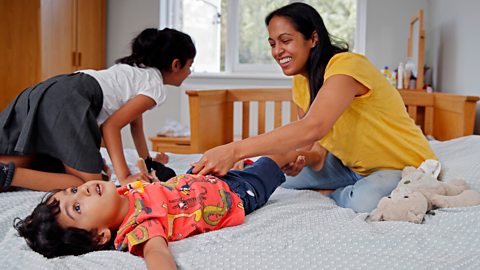
Claire advises being open to testing things out for a trial period. That can include childcare arrangements and the number of days you’re in the workplace.
“Have regular one-to-ones with your line manager. Review how things are going and make adaptations as you go forward."
“Employers should be paying attention to your wellbeing. They have a duty of care for employees’ health, safety and welfare."
Dr Moses also reminds parents to be kind to themselves. Plan for an adjustment time. Consider doing things like batch cooking and accepting that not all the washing will get done mid-week.
If something isn’t working with your child’s new routine, find ways to get them involved. Dr Moses says: “Talk about it indirectly, like ‘what would you say to a friend?’” Be positive about your own return to work too, and why that means things are getting better.
It’s important that as a parent you feel safe and comfortable about your return to the workplace, because kids pick up on these things. Once you feel calm, you can convey that to your children.

More from BBC Bitesize Parents' Toolkit…
Parents' Toolkit
Fun activities, real-life stories, wellbeing support and loads of helpful advice - we're here for you and your child.

Parents share their tips for the school run
Back to school hacks, tips and tricks from real UK parents for the school run and beyond.

Back to school: But what if your child is struggling with the return?
Many children are relieved to be back at school, but not all are happy. Here's some advice if your child is anxious about being back in class.

The Super Tutors
Five experts in their field offer tips and advice to help you become a parenting master!

Lunchbox notes: Ways to help your child with back-to-school nerves
Artist Rob Biddulph explains how little drawings helped his anxious daughter face school, and how you can do the same for your child.

Are you emotionally ready for the first day of school?
How will your child's first day at school feel for you? Here are some top tips to cope with the transition from Child Psychologist Laverne.