Meet Chris, 29, from Gateshead, who works as a radio presenter and producer for Metro Radio in Newcastle. Part of our Bitesize world of work series.
I'm Chris, I'm 29 years old and I'm a radio presenter and producer.
The presenter is one of the voices that you hear on the radio, so they are the people who will be talking in between the songs playing the adverts, traffic and travel information, competitions. They are essentially everything that you hear coming out of the radio. A producer is somebody who works behind the scenes finding stories, looking for things to talk about, gathering information, suggesting ideas for competitions and topics. Because I present and produce, I do both basically, I drive the desk and present and it's quite common in commercial radio for one person to do both jobs.
A lot of the programmes that I work on, obviously, are live. The music shows have to be live because we're doing live information, traffic and travel, news, we're playing music, it has to be happening right now in the North East. Other times I might be working as a producer on various documentaries that we sometimes produce. They involve a lot of work, sometimes months' worth of work to then have one single full-hour show. Two very, very different things and the great thing for me is I work on both. The fact that can do both of those things keeps me, personally, absolutely thriving, in loving radio and loving what I do so much.
At school, the only thing that I was interested in was becoming a radio presenter. It was all I wanted to do from a very, very early age. I remember being in the back seat of the car being driven to school and hearing the radio and just becoming fascinated with the idea that somebody's there telling stories, talking to people, playing music. I got the opportunities working in radio at a young age essentially, by bugging the life out of everybody that worked here. I used to pester people by email: "can I come in and sit in on your show and ask you loads and loads of questions?" Making the tea is a great way to get into radio! At the same time, I was obviously making myself as useful as I could be in in the environment by doing production work and eventually they needed me around so much that they gave me a job.
One of the most crucial things that I did at a young age was work in hospital radio, community radio, student radio, doing everything that I could to build up what you would call a portfolio of work, a demo, an example of what you can do on the radio and then, when you've got something like that, send it to radio stations, get noticed, put yourself out – you can do stuff these days so easily online.
As a kid, listening to the radio in the back of the car, that was the dream. The fact that I'm doing it, I have to pinch myself every day to be honest and I would love to do it forever.
When you've got a portfolio of work, send it to radio stations, get noticed, put yourself out there. You can do stuff so easily these days online.
From a young age, listening to the radio in the car on the way to and from school, all Chris ever dreamt of was being a radio presenter
He got into his job with Metro Radio by gathering as much experience as possible. He constantly emailed people to ask to work with them, and made himself as useful as possible, learning as he went along. He worked in community radio, hospital and student radio to build a portfolio of work to send to radio stations to make himself known
He enjoys the mix of presenting and producing his shows. He finds stories, gathers information and suggests ideas for shows and competitions and present information live on news and traffic and travel items
He's really excited to be living his boyhood dream and would love to do this job forever.

A similar job to a radio presenter is a DJ (disc jockey). DJs play music for audiences in live venues, at events or on the radio.
What to expect if you want to be DJ
- DJ average salary: Variable. You may be self-employed/freelance
- DJ typical working hours: Variable.
What qualifications do you need to be a DJ?
You could get into this role via a college course (such as a Level 2 certificate, a Level 3 Diploma or a T-level in Media, Broadcast and Production - England-only, from Sept 2023). You can also volunteer at community or hospital radio stations, or DJ at events like parties, weddings and charity shows. Alternative routes also include taking training courses or attending DJ workshops. You can also apply directly if you have relevant experience.
Sources: National Careers Service, GOV.UK
This information is a guide and is constantly changing. Please check the National Careers Service website for the latest information and all the qualifications needed and the GOV.UK website for more on T-levels.
For careers advice in all parts of the UK visit: National Careers Service (England), nidirect (Northern Ireland), My World of Work (Scotland) and Careers Wales (Wales).
Work experience in your area
Find work experience placements with Workfinder.
Tips and advice
Help with interviews, writing a CV and all things work experience related.
Jack: digital marketing assistant. video
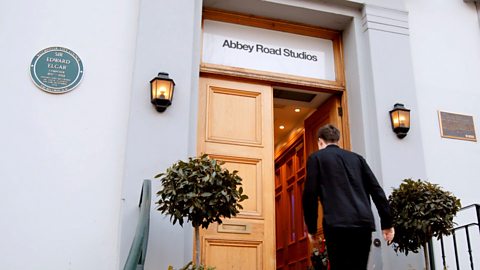
Jack works at the famous Abbey Road Studios in London.
Radzi: TV presenter. video
Ex-Blue Peter presenter, Radzi, on a career where no two days are the same.
Natasha: apprentice journalist. video
Natasha's completing an 18-month apprenticeship in Halifax.