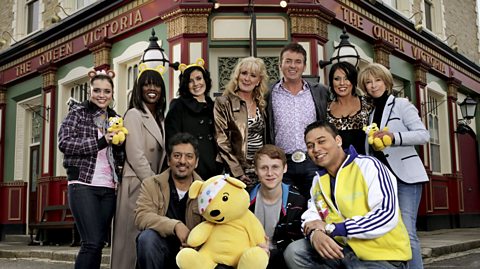
In February 1985 the first ever episode of EastEnders aired on TV, and in the four decades since, the show has blazed a trail when it comes to bringing important issues into the public consciousness.
BBC Bitesize has taken a look back at some of the storylines that helped to shine a light on real-life and tackled big talking points in society.
Discussions of HIV and AIDS
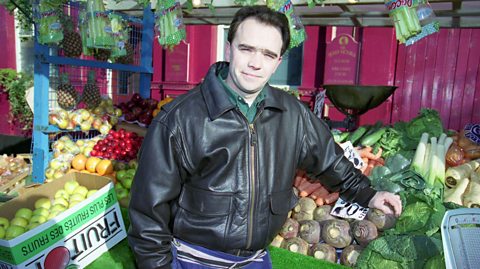
In 1991, EastEnders made soap history when well-known character, Mark, revealed he had been diagnosed with HIV. It was the first time a mainstream British soap cast member had a storyline involving the virus.
The programme writers worked with the Terrence Higgins Trust to help educate the audience at a time when there was a great deal of prejudice towards those who had been living with HIV and AIDS. A survey conducted in 1999 revealed that most 16-18 year olds had learnt about AIDS through the soap, highlighting how impactful the storyline was.
Beth Johnson, Professor of Television and Media at the University of Leeds, explained: “In 1991, HIV/AIDS was still highly stigmatised, with widespread misinformation and fear surrounding the virus. The UK government had launched major public health campaigns in the late 1980s, but there was still limited understanding of HIV, and those living with it often faced severe discrimination.”
EastEnders broadcast a similar storyline in 2023, which involved a hetrosexual character discovering he was living with HIV. This storyline looked at how opinions may or may not have changed over the years, and at what is now available to help those who live with HIV to have a long life.
Living with a disability
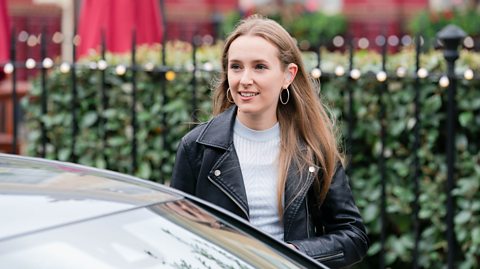
In 2009, David Proud played the character of Adam Best. Both Proud and his character have spina bifida and this was the first time a disabled adult character was portrayed by a disabled actor in EastEnders.
Since then, several characters on the square have been portrayed by disabled actors.
In 2020, the show announced the arrival of Rose Ayling-Ellis, who became the first deaf actor to join the TV show. She played Frankie, was introduced to help well-established character, Ben, come to terms with his hearing loss.
A special episode was broadcast from Ben’s perspective, where hearing viewers experienced limited audio levels, on-screen subtitles, and fractured sentences to highlight some of things experienced by deaf audiences.
Professor Johnson told us: “The introduction of Frankie coincided with a wider push for British Sign Language (BSL) recognition and accessibility improvements, as well as growing discussions about inclusion in the entertainment industry.”
Knife crime
In 2018, EastEnders broadcast a storyline on knife crime, at a time of growing concern for young people.
The storyline involved Shakil being killed by a gang, in a knife attack, after his friend had stolen a bike. It was written to mark the tenth anniversary of the death of Ben Kinsella, the brother of former EastEnders actress Brooke Kinsella, who was killed in a real-life knife attack when he was 16.
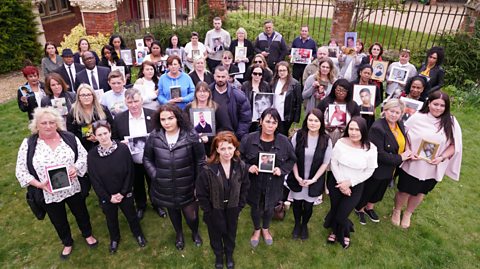
During the storyline, one particular episode was praised by audiences and critics, and involved an EastEnders first. It involved the families of real-life knife crime victims, who told their stories in the special episode. It ended with the families of the victims standing outside and holding up pictures of their loved ones.
This article was published in February 2025
EastEnders or Shakespeare: Can you guess the storyline?
Are these storylines from the Bard, or did they originate in the Square?
They started in soap opera: The ‘apprenticeships’ of acting legends
Barbie actress Margot Robbie's stint in Neighbours was not the first time big stars did continuing drama.

When EastEnders crossed over with other shows
The times Coronation Street - and even Doctor Who - wanted a slice of the Albert Square action